
Accelerated Pilot Programs: The Fastest Way to Become a Pilot?
An accelerated pilot program is changing the way aspiring aviators take to the skies, offering a faster, more focused path from first flight to certification. For those eager to turn ambition into action, these programs promise intensity, efficiency, and momentum; but also raise important questions about readiness, commitment, and long-term success. The idea of compressing months, or even years, of training into a streamlined timeline is as compelling as it is demanding.
At Leopard Aviation, we’ve seen firsthand how the right training environment can make all the difference. We’re passionate about helping you succeed, whether you’re pursuing aviation as a career or a lifelong dream. From your very first Discovery Flight to advanced training, we’re here to guide you every step of the way—so if you’re ready to explore what’s possible, you’re in the right place.
What Are Accelerated Flight Training Programs and How Do They Work?
If you’ve been looking into flight training, you’ve probably come across the term “accelerated program.” It sounds straightforward, but it’s worth taking a closer look at what’s actually behind it. For many aspiring pilots, this training style offers a focused, efficient path from first lesson to certification, especially if you’re eager to move forward with purpose and consistency.
At its core, accelerated training is about how your time is structured. Instead of spreading lessons out over many months or years, you train frequently, often several times per week, building skills in a steady, continuous rhythm. That consistency can make a noticeable difference in how quickly you progress and how well concepts stick.
What “Accelerated” Really Means
The word “accelerated” can give the impression that something is being skipped or shortened, but that’s not the case in aviation. Every pilot, regardless of training pace, is held to the same standards and must meet the same requirements before earning a certificate.
In practice, “accelerated” simply describes a more concentrated training schedule. You’re flying often, studying regularly, and staying immersed in the learning process. This approach helps reduce gaps between lessons, which can make it easier to retain information and build confidence in the cockpit.
For many students, this kind of structure creates momentum. Instead of relearning skills each time you return after a long break, you’re building directly on what you practiced last session. Over time, that steady progression adds up.
A Common Term, Not an FAA Category
It’s important to understand that “accelerated program” isn’t an official designation from the Federal Aviation Administration (FAA). You won’t find it listed as a specific training pathway or certification type.
Flight training in the United States generally falls under established frameworks like Part 61 or Part 141, both of which outline the requirements for becoming a pilot. Within those frameworks, schools and instructors have flexibility in how they schedule and deliver training.
That’s where accelerated programs come in. They are built within the existing FAA guidelines, simply organized in a way that prioritizes frequent flying and structured progression.
Same Requirements, Different Pace
No matter how quickly you move through your training, the expectations remain consistent across the board. You’ll still need to log the required flight hours, demonstrate proficiency in maneuvers, pass written exams, and complete a checkride with an examiner. What changes is how efficiently you move from one milestone to the next. With a more immersive schedule, you may find that you reach those benchmarks in a shorter overall timeframe. Many students appreciate this because it keeps them engaged and focused, especially if they’re working toward a career in aviation.
If you’re considering this path, it helps to think about your availability, learning style, and goals. When your schedule allows for consistent training, an accelerated program can feel both productive and rewarding, giving you a clear path forward from day one.
Can You Train Just as Fast Without an Accelerated Program?
If your goal is to become a pilot as efficiently as possible, you might assume an accelerated pilot program is the only way forward. In reality, speed in flight training comes down to how often you fly, how prepared you are for each lesson, and how consistently you stay engaged. When those pieces are in place, you can move at an impressive pace regardless of the program label.
What Actually Drives Fast Progress
The students who move quickly tend to approach training with focus and structure. They show up ready, stay consistent, and build on each lesson without long gaps. When you keep that rhythm, your skills develop naturally and your confidence grows with each flight. It becomes less about the type of program and more about how you approach the process.
How a Flexible Training Model Helps You Move Faster
A flexible training structure gives you control over your pace, which can be a major advantage when your schedule allows for frequent flying. You can train as often as you’re able, adjust your timeline as you progress, and maintain steady momentum without being tied to a fixed schedule.
- You can schedule lessons multiple times per week or even daily when your availability allows
- You have the ability to progress as soon as you demonstrate readiness, without waiting on a preset timeline
- You can adapt your training pace around work, school, or personal commitments
- You stay actively engaged in the learning process, which helps with retention and confidence
Training Your Way at Leopard Aviation
At Leopard Aviation, we take pride in offering a flexible approach through our Part 61 training structure, guided by the standards of the Federal Aviation Administration. As a family owned and operated flight school, our mission is to produce highly skilled pilots while creating a training environment that feels both professional and enjoyable. You can train at a pace that works for you, whether that means flying frequently or building your schedule step by step!
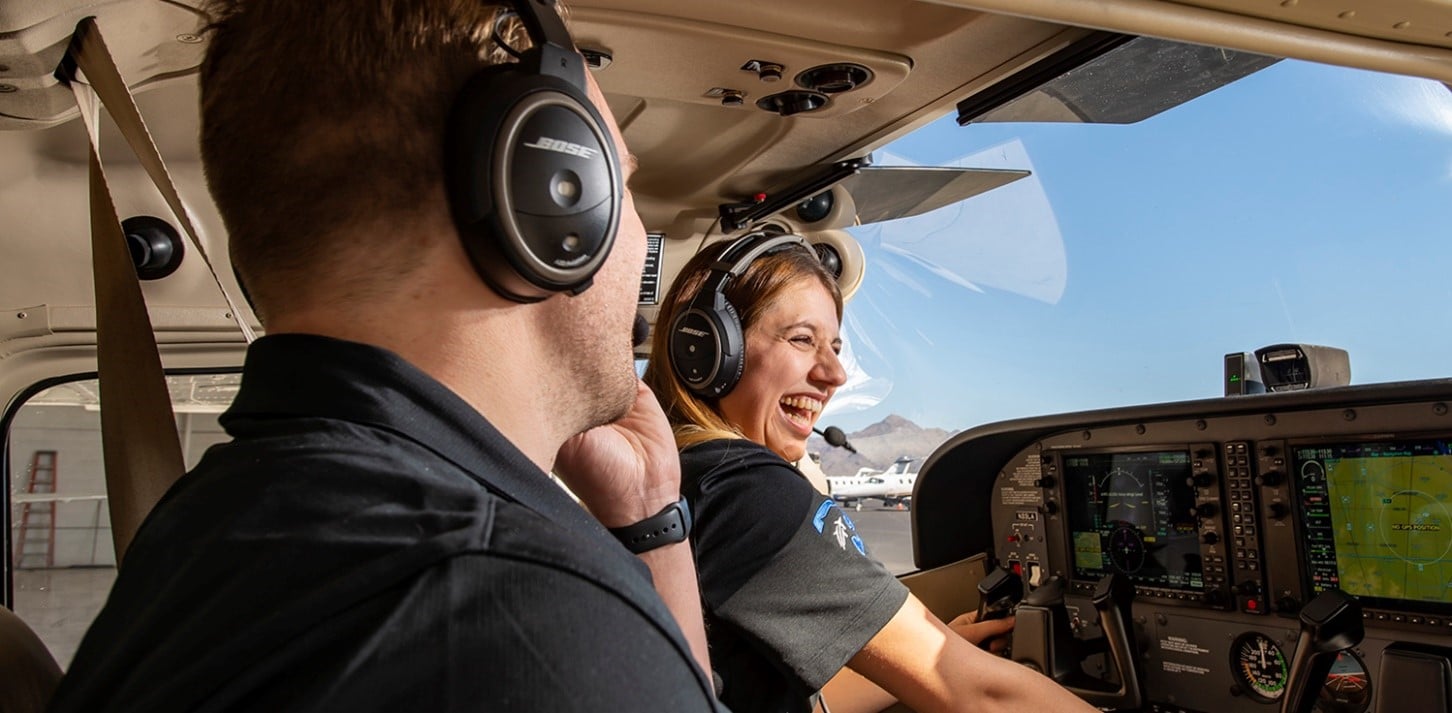
You’ll train in modern Cessna 172S Skyhawk aircraft equipped with advanced G1000 avionics, giving you access to the kind of technology used in today’s aviation world. Our Certified Flight Instructors bring a wide range of experience, from airline operations to corporate aviation, and they’re deeply invested in your progress every step of the way.
If you’re just getting started, a Discovery Flight is the perfect introduction. It’s your chance to step into the pilot’s seat, get a feel for the controls, and experience the excitement of flight firsthand. For many of our students, that first flight is where everything begins, and it often sparks a journey that’s both challenging and incredibly rewarding!
How to Choose the Right Flight School for Your Goals
Choosing a flight school is one of the most important decisions you’ll make as a future pilot. The right environment can shape how quickly you learn, how confident you feel in the cockpit, and how prepared you are for each milestone along the way. With so many options available, it helps to know what to pay attention to so you can make a decision that aligns with your goals.
1. The Role of Instructors in Your Progress
Your instructor will have a direct impact on how you develop as a pilot. Experience matters, but so does the ability to teach clearly and adapt to your learning style. Great instructors bring real-world insight into each lesson while keeping training structured and engaging. When you feel comfortable asking questions and receiving clear guidance, your progress tends to feel more natural and consistent.
2. Aircraft Quality and Technology Matter
The aircraft you train in play a key role in your overall experience. Modern, well-maintained airplanes offer reliability and give you exposure to the systems you’ll encounter as you advance in aviation. Training with updated avionics, such as glass cockpit systems, helps you build familiarity with current technology and improves situational awareness from the beginning.
3. Building Momentum Through Structure and Consistency
A strong training structure helps you stay on track and avoid unnecessary delays. Consistency is what allows each lesson to build on the last, turning new skills into second nature. When a school supports regular scheduling and clear progression, it becomes easier to maintain momentum and stay focused on your next milestone.
What to Look for When Comparing Schools
As you explore your options, it helps to take a closer look at how each school operates on a day-to-day level. Small details often reveal how supportive and effective the training environment will be.
- Ask how frequently students typically fly each week and how scheduling is handled
- Find out how the school tracks student progress and prepares you for checkrides
- Look into aircraft availability and how maintenance is managed
- Learn about instructor availability and how often students switch instructors
- Explore student feedback and success stories to understand real training outcomes
A strong flight school also focuses on helping students move forward with confidence. You’ll want to see a clear path from your first lesson through each certification, supported by instructors who are invested in your development. Schools that emphasize progression tend to create pilots who are well-prepared, capable, and ready for the next step in their aviation journey.
Make Your First Move Toward the Flight Deck
Choosing how to approach flight training comes down to understanding what drives real progress. Whether you’re considering an accelerated pilot program or a flexible path, your pace is shaped by consistency, preparation, and the quality of your training environment. The right school, experienced instructors, and reliable aircraft all work together to help you build skills efficiently and confidently.
At Leopard Aviation, we’re here to help you turn that ambition into reality. From your first Discovery Flight to advanced training, we’ll guide you every step of the way with a supportive and professional approach. If you’re ready to experience flight for yourself, now is the perfect time to get started—schedule your Discovery Flight and take the first step toward the cockpit.
FAQs
How long does it typically take to become a private pilot?
The timeline can vary depending on how often you train and how prepared you are for each lesson. Many students complete their private pilot training in a few months when flying consistently. Training more frequently helps you retain skills and build confidence faster, which keeps your progress steady and efficient from start to finish.
Is an accelerated pilot program the right choice for beginners?
An accelerated pilot program can be a great fit if you’re able to commit significant time and energy to training over a shorter period. It works best for students who can stay fully engaged and maintain a consistent schedule. If your availability is more flexible, you can still achieve a similar pace by training regularly and staying well-prepared.
How often should I fly to make steady progress?
Flying two to four times per week is a strong rhythm for most students. This frequency keeps your skills fresh and allows each lesson to build naturally on the last. When you train consistently, you spend more time progressing and less time reviewing, which helps you move forward with confidence and clarity.
How does training work at Leopard Aviation?
We operate under Part 61 guidelines, which gives us the flexibility to tailor your training schedule to your availability and pace. This means you can fly as often as you like and progress as quickly as you’re ready. We focus on keeping your training consistent and structured while still adapting to your individual goals.
What is a Discovery Flight like at Leopard Aviation?
Our Discovery Flight is designed to give you a real introduction to flying. You’ll fly one-on-one with one of our Certified Flight Instructors and have the opportunity to take the controls during the flight. We keep the environment relaxed and welcoming so you can focus on enjoying the experience and learning what aviation feels like firsthand.