
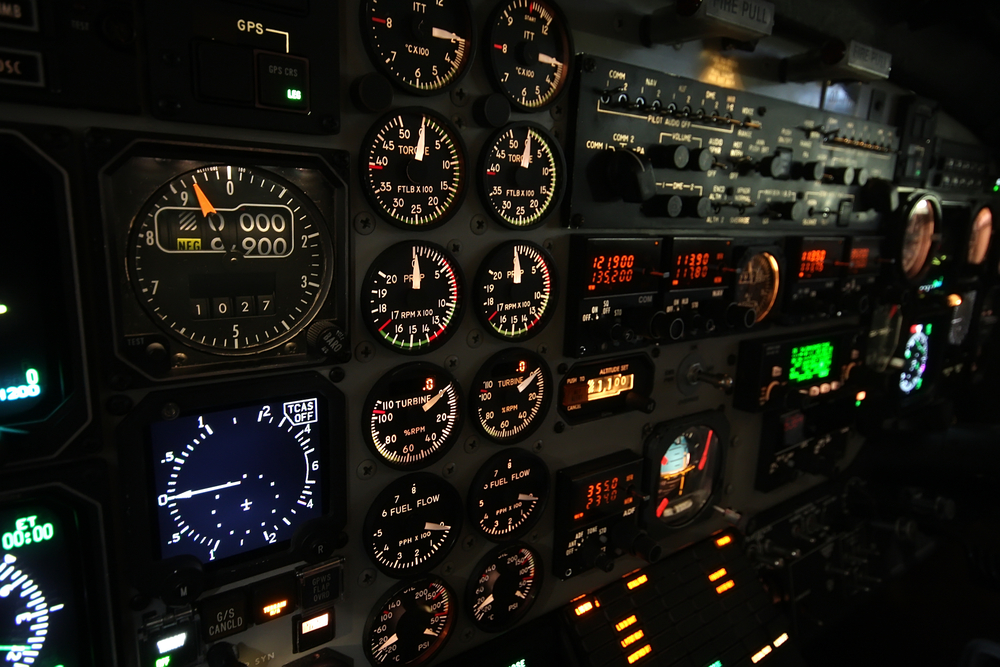
Flight simulator training vs real flight is a question a lot of future pilots ask early on—and it makes sense. Simulators are accessible, less intimidating, and can help you get comfortable with basic concepts before stepping into an airplane. If you’re trying to understand where they fit into your training, you’re asking the right question. […]

Knowing how to log night time flight correctly sounds simple right up until you realize the FAA’s version of night does not always match what your eyes see outside the windshield. A ramp can look dark, the horizon can already be fading, and the flight can absolutely feel like night, but that still does not […]
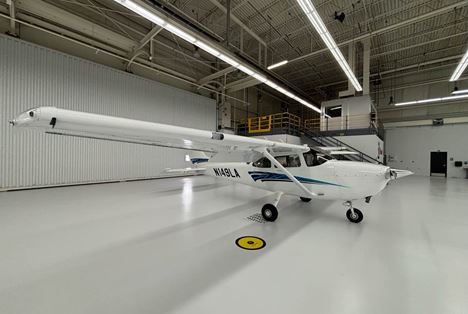
Flying under instrument flight rules begins long before the aircraft enters the clouds. Instrument rating ground school gives pilots the knowledge needed to understand weather, navigation, regulations, procedures, and cockpit decision-making before applying those skills in the air. The material can feel broad at first, but each topic connects directly to safer, more confident IFR […]

Instrument Rating Training: What to Expect After Your Private Pilot License Keyword: instrument rating training Earning your Private Pilot Certificate opens the door to a whole new level of flying. Instrument rating training helps you build the precision, awareness, and decision-making skills needed when visibility drops and weather becomes more demanding. It is an exciting […]
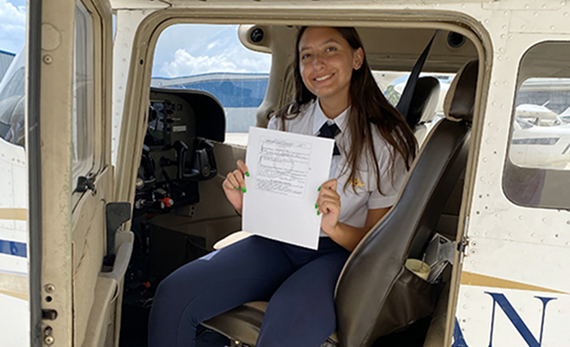
Starting flight training is exciting, but a little preparation can make your first steps much smoother. Understanding flight training medical requirements early helps you plan confidently, avoid preventable delays, and know when an FAA medical certificate may be needed. The rules can vary depending on your training stage and goals, so getting clear information before […]
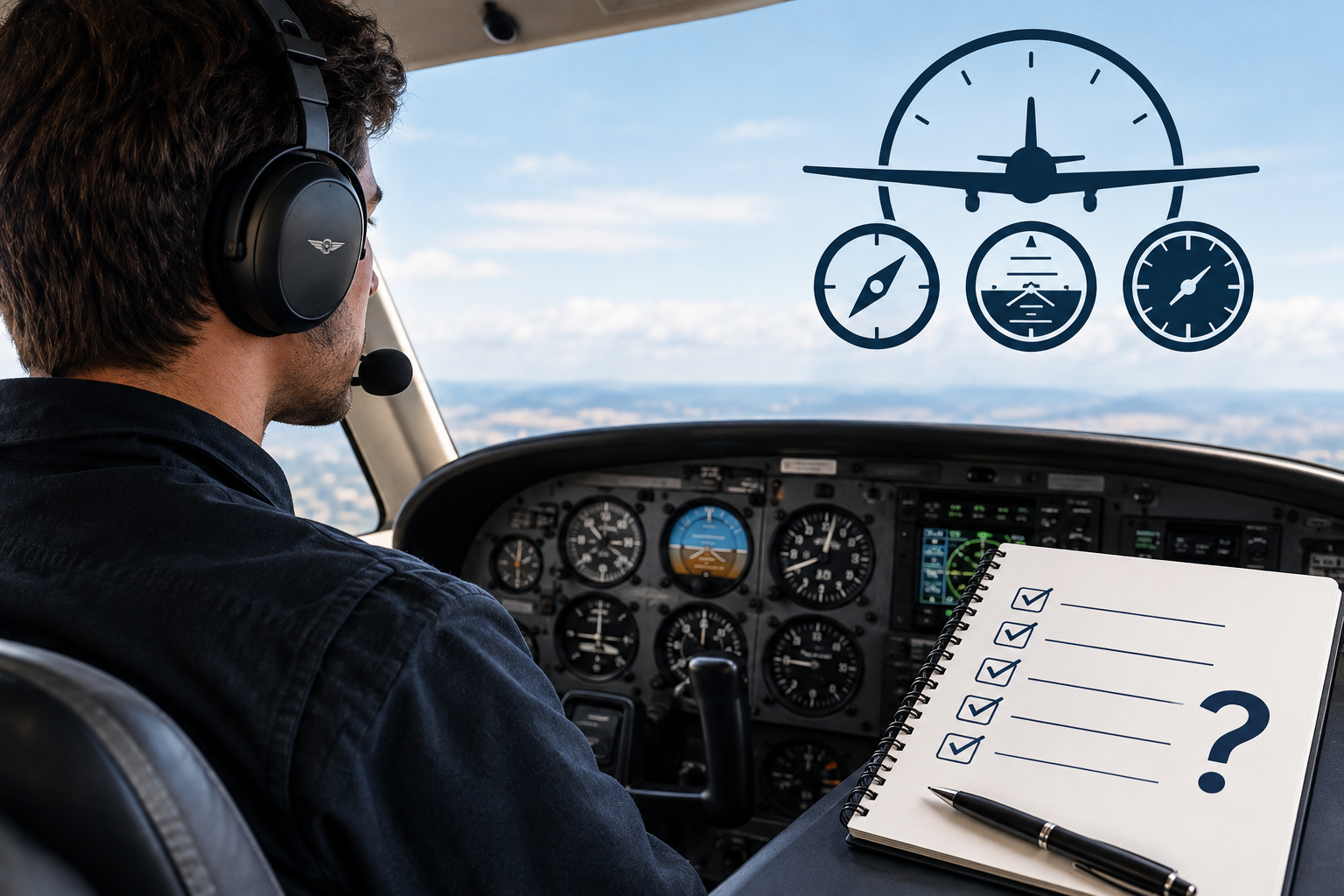
Instrument flying changes the way you experience the cockpit. Clouds, changing weather, and reduced visibility demand sharper planning, stronger decision-making, and complete trust in your instruments. If you are wondering how many hours for instrument rating are required, the answer involves more than simply reaching a minimum. Your current experience, training consistency, and preparation all […]

Your first solo flight may feel like the moment your pilot journey truly begins, but several important steps happen before you line up on the runway alone. Understanding the student pilot medical certificate process early helps you avoid preventable delays and focus more of your energy on learning to fly. At Leopard Aviation, we love […]
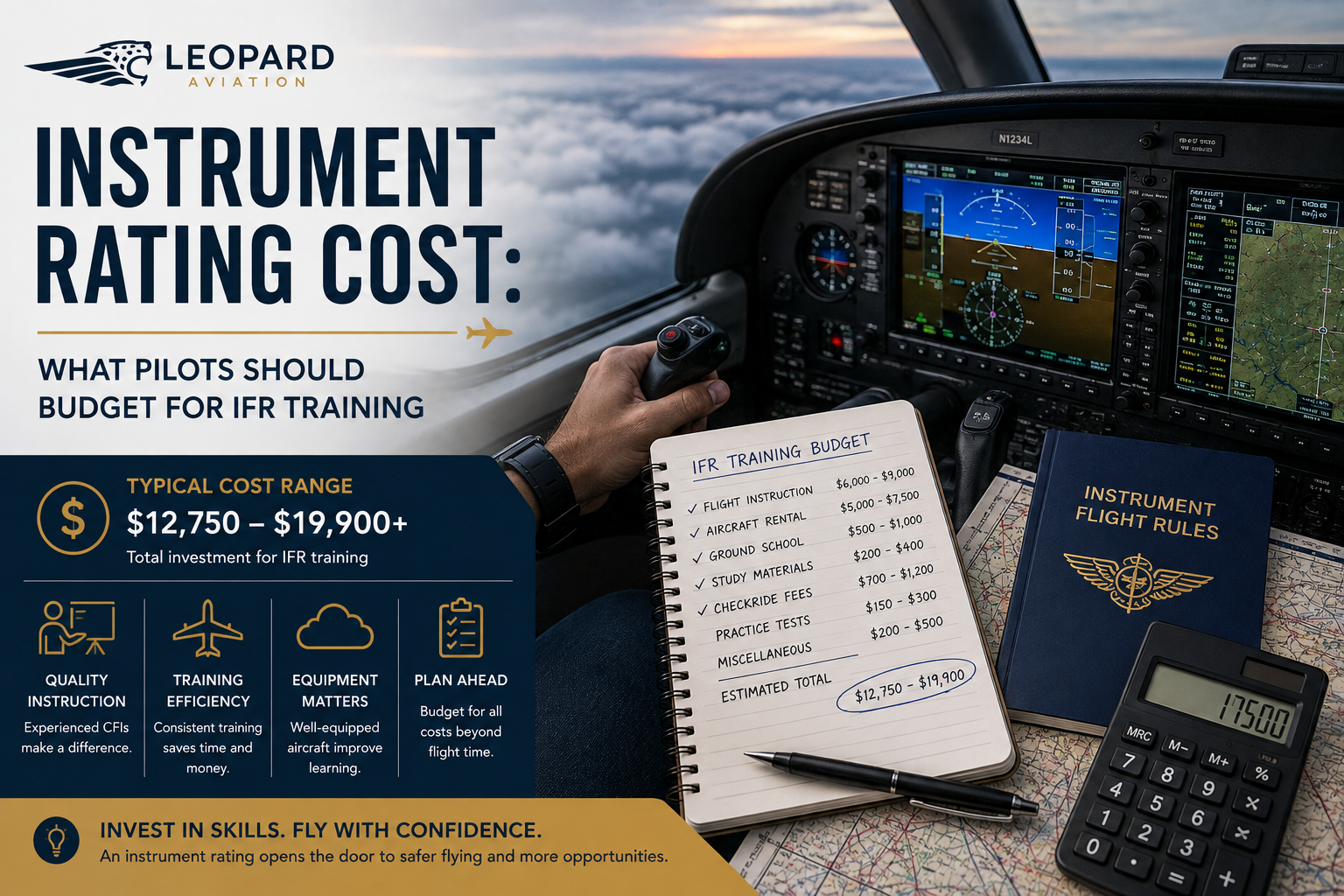
Earning an instrument rating is one of the most exciting steps a pilot can take. It builds confidence, expands flying opportunities, and prepares you to handle changing weather with greater skill. Before training begins, though, understanding instrument rating cost can make the entire process feel more manageable and help you plan with confidence. At Leopard […]
Do pilots get drug tested? If you’re considering a career in aviation, this question has probably crossed your mind—and for good reason. The answer is a resounding yes, and the testing is far more comprehensive than most people realize. From pre-employment screenings to random tests throughout your career, drug and alcohol testing is woven into […]
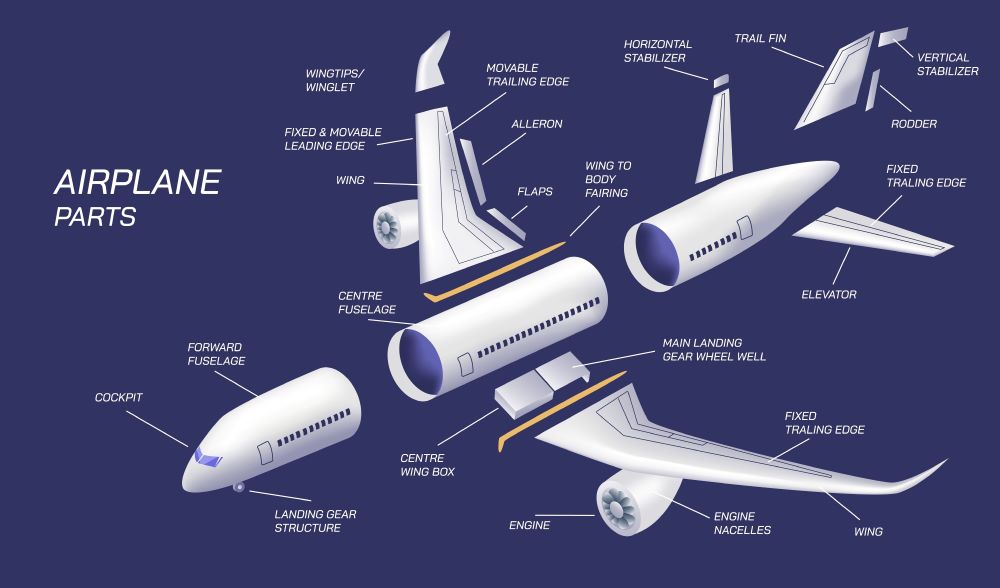
If you’ve ever wondered about the parts of a plane and what makes an aircraft actually fly, you’re already thinking like a pilot. Understanding your airplane is all about building the confidence and safety awareness that separates good pilots from great ones. Before every flight, you’ll walk around your aircraft and physically inspect these components, […]