
Accredited Flight Schools: What Future Pilots Should Know Before Choosing a Program
Choosing where to learn to fly is one of the first major decisions an aspiring pilot makes. The right training environment can shape your confidence, habits, technical skills, and progress for years to come. Accredited flight schools may sound like the obvious starting point, but accreditation is only one piece of a much bigger picture when compаring programs, instructors, aircraft, schedules, and training structures.
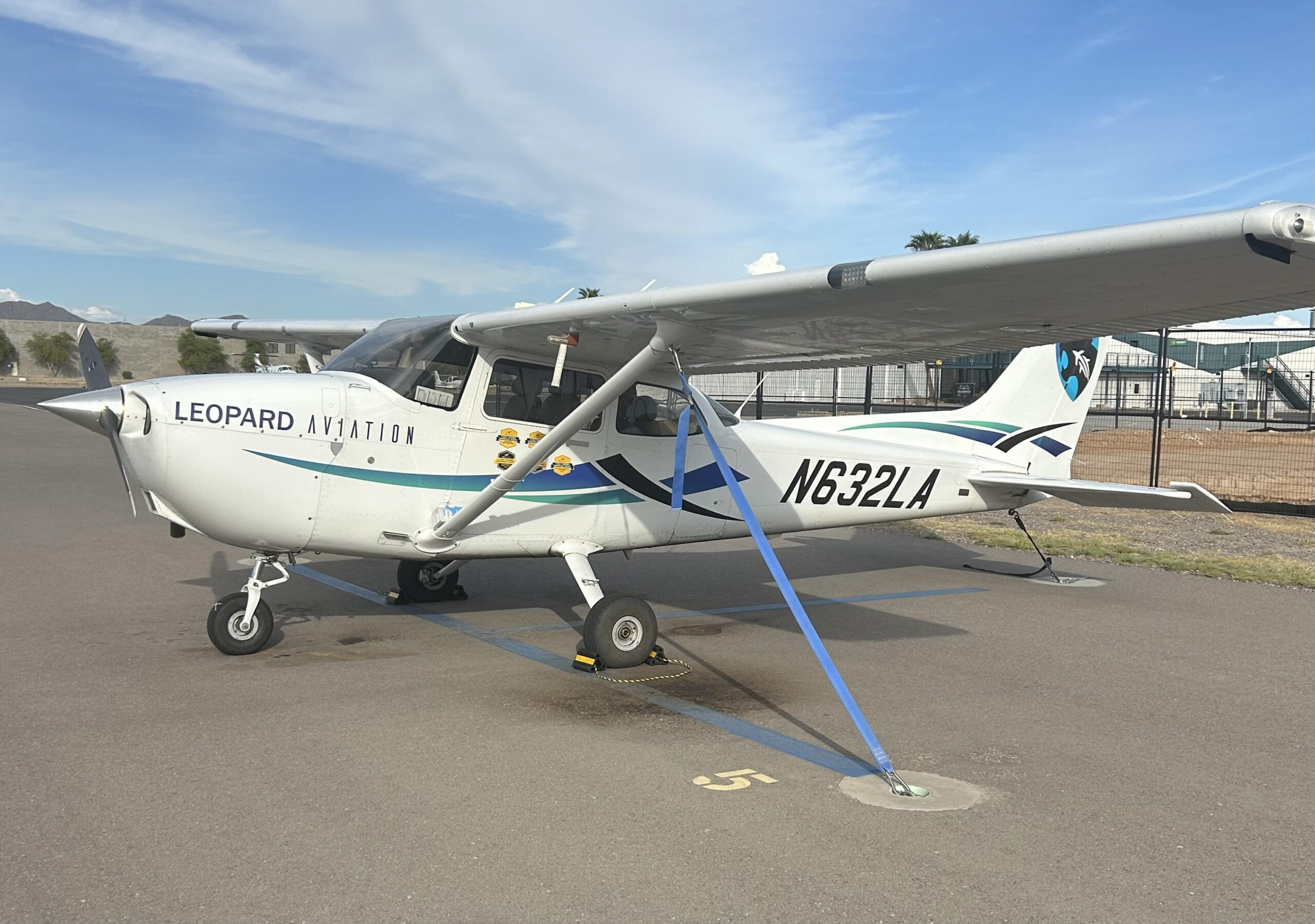
At Leopard Aviation, we provide Part 61 flight training in Scottsdale and Mesa, Arizona, with experienced Certified Flight Instructors and our Cessna 172S Skyhawks equipped with Garmin G1000 avionics. We believe future pilots should understand exactly what they are choosing before committing their time and money. Knowing what really matters can make the difference between simply enrolling and finding a program that genuinely fits your goals.
What “Accredited Flight School” Actually Means
If you are comparing flight schools, you will quickly run into terms like accredited, FAA-approved, Part 141, and college aviation programs. They often appear together, but they describe different things.
Accreditation Is Educational Recognition From an External Organization
Accreditation is a voluntary review conducted by an independent accrediting organization. The accreditor evaluates a school or program against published standards covering educational quality and institutional practices.
The U.S. Department of Education does not directly accredit individual schools or programs. Instead, it recognizes certain accrediting agencies as reliable authorities. So if a school describes itself as accredited, you should look at who granted that accreditation and what exactly the accreditor reviewed.
This is also separate from FAA approval. FAA rules govern flight training and certification, while educational accreditation evaluates an institution or academic program. A school may operate under Part 61 or Part 141 without those terms аutomatically telling you whether the school is accredited. When comparing an accredited flight school with other options, keeping those categories separate makes the school’s actual credentials much easier to assess.
Accreditation Scope Matters
The word accredited is useful only if you know what fаlls within the approved scope. When reviewing a school’s credentials, determine whether the accreditation applies to:
- The parent institution
- A particular campus
- One aviation degree
- A flight-education program
- A career-school program
- A specific credential
A school displaying an accreditation logo does not automatically mean every campus, course, or flight-training pathway is covered. Check the accreditor’s listing and the school’s formal accreditation information to see exactly what has been approved.
FAA Certification and Educational Accreditation Answer Different Questions
If you have searched for an FAA-accredited flight school, you are not alone. The phrase sounds logical, but it combines two different kinds of oversight. The FAA regulates and certifies certain flight-training operations, while educational accreditation comes from independent accrediting organizations. Knowing which credential you are looking at makes comparing schools much easier.
The FAA Certifies Part 141 Pilot Schools
Under 14 CFR Part 141, the FAA certifies pilot schools that meet a defined set of regulatory requirements. These schools operate using structured training programs and FAA-approved course curricula. The certification process also addresses areas such as facilities, equipment, personnel, instructor oversight, and training records.
That tells you something specific: that a Part 141 school has met the FAA requirements that apply to that training structure. It does not mean the FAA has academically accredited the school in the way an educational accreditor might review a college, university, or degree program.
Part 61 Governs Another Flight-Training Route
You can also complete flight training under 14 CFR Part 61. This route follows FAA requirements for pilot certification while generally allowing more flexibility in how your instruction is organized and paced. If you are balancing training with work, school, family, or an unpredictable schedule, that flexibility can be a major advantage.
For many students, Part 61 is especially appealing because your training can be adapted more closely to your availability and progress. Depending on your needs, that can mean:
- More flexibility when scheduling individual lessons
- Training that can move at a pace suited to your proficiency
- More room to adjust instruction around areas where you need additional practice
- An easier way to keep flight training compatible with other commitments
At Leopard Aviation, we love flying—and we love helping our students experience everything that comes with becoming a confident, capable pilot! Our Part 61 flight training in Scottsdale and Mesa gives you the flexibility to train around your schedule while progressing at a pace that makes sense for you. With experienced instructors, personalized training, and plenty of time in the cockpit, we can help you build the skills, confidence, and real-world experience you need to earn your certificate and enjoy the journey along the way.
How to Verify an Accredited Flight School Before Enrolling
When you are comparing pilot training programs in the USA, do not rely on an accreditation logo, brochure, or recruiter’s wording alone. A few independent checks before paying a deposit can confirm exactly what applies to the school, location, and program you are considering.
- Identify the accreditor and type of accreditation. Ask for the accreditor’s full legal name and determine whether the accreditation is institutional or programmatic. This immediately tells you whether the recognition applies broadly to the school or specifically to a particular program.
- Verify the accreditation through independent sources. Confirm that the accrediting organization is recognized by the appropriate authority. Where applicable, search the U.S. Department of Education accreditation database and the accreditor’s own current
- Check FAA authorization separately. If you are considering a Part 141 school, ask which courses appear on its current FAA authorization. If a program advertises Restricted ATP eligibility, verify the relevant R-ATP Letter of Authorization as well. FAA authorization and educational accreditation serve different purposes, so you should confirm each independently.
If something does not match, ask the school about it before enrolling. A reputable program should be able to explain its accreditation, FAA status, and applicable approvals clearly. You should come away knowing exactly what is recognized, what is authorized, and how those credentials apply to the training path you are considering.
Start Your Flying Journey With Leopard Aviation
Accreditation can matter if you need a degree-linked program, federal aid, or a qualifying collegiate R-ATP pathway. But if your priority is direct, flexible flight training, you should also consider the aircraft, instructors, scheduling, and day-to-day training environment. At Leopard Aviation, we believe our Part 61 approach offers a strong fit for students who want modern training, experienced instruction, and flexibility built around their goals.
Flexible Part 61 Training for Every Stage of Your Journey
At Leopard Aviation, we believe learning to fly should be exciting, personal, and built around the pilot you want to become. As a Part 61 flight school, we can adapt your training around your schedule, experience, progress, and aviation goals. Whether you are taking your first steps into aviation, changing careers, flying for the pure enjoyment of it, pursuing advanced ratings, or joining us from another school, we’re excited to help you keep moving forward.
Your training does not have to fit into one rigid timetable. Our instructors can adjust the pace around your proficiency while giving you the consistency, hands-on instruction, and time in the cockpit needed to make real progress. We love seeing students build their skills, confidence, and passion for aviation—and our goal is to make every lesson another meaningful step toward becoming the capable, confident pilot you set out to be.
Experienced Certified Flight Instructors
The right instructor can make a huge difference in how quickly flying starts to click. Our Certified Flight Instructors bring experience from airline and corporate aviation, but what matters most is how they use that experience to help you grow as a pilot.
We enjoy teaching aviation, and that shows in the way we explain concepts, debrief each lesson, give individualized feedback, and help you build confidence in the cockpit. As your skills develop, you will also begin building the professional habits and decision-making that strong pilots rely on. When you hit a challenging point in training, your instructor is there to break it down, help you understand what needs work, and get you excited to keep progressing.
A Training Path That Can Grow With the Pilot
Your first flight or first certificate can be just the beginning. At Leopard Aviation, we love watching students discover where flying can take them—and we’re here to keep teaching, challenging, and supporting you as your aviation goals grow. Whether you are experiencing the controls for the first time, building advanced skills, preparing for a career in aviation, or simply becoming a more capable and confident pilot, you can continue your training with a team that already knows you and your goals.
Your training path with Leopard Aviation can include:
- Discovery Flights
- Private Pilot training
- Instrument Rаting training
- Instrument Proficiency Checks
- Commercial Pilot training
- CFI training
- Flexible scheduling
- Transfer evaluations
- Training in Mesa and Scottsdale
Wherever you want aviation to take you, our goal is to give you a place where you can keep learning, keep flying, and keep moving forward. Instead of starting over with a new school every time your goals change, you can build on the relationships, confidence, and flying experience you have already developed at Leopard Aviation.
A Welcoming Path for Transfer Students
If you are coming from an accredited college program, Part 141 school, or another Part 61 provider, transferring does not automatically mean starting over. Bring your logbook and available training records, and we can review what you have already completed.
We can then evaluate your current proficiency, identify remaining requirements, and help organize the next stage of your training. If you are considering switching flight schools, this type of evaluation can make the transition much more straightforward.
Experience Leopard Aviation With a Discovery Flight
A Discovery Flight is one of the best ways to find out what learning to fly at Leopard Aviation is really like. You’ll meet one of our Certified Flight Instructors, get familiar with the aircraft and airport environment, and—most importantly—get hands-on experience in the cockpit.
It’s your chance to experience the excitement of flying for yourself while getting a feel for our instructors, aircraft, and approach to training. You can ask questions, talk through your aviation goals, and learn how flight training could fit into your schedule. By the time you leave, you’ll have a much better sense of what your own path into aviation could look like.
What to Expect
- One-on-one time with a Certified Flight Instructor
- Hands-on flying experience
- A relaxed, supportive environment
- A firsthand look at our aircraft and training environment
- Answers to your questions about training and next steps
Which Flight Training Path Is Right for You?
The right way to learn to fly depends on what you want aviation to become in your life. Maybe you’re working toward an airline career, fitting lessons around work or school, pursuing a lifelong dream, or simply looking for the freedom and adventure of flying for yourself. Your schedule, budget, goals, and learning style all play a part.
If You Want a Direct, Flexible Path to the Cockpit
If your goal is to start flying and work toward your certificates and ratings without enrolling in a degree program, Part 61 training can give you a more flexible and direct path. You can often build lessons around work, school, or family commitments and progress based on your skills rather than an academic calendar.
That flexibility can make flight training feel much more achievable, but you should still expect a clear sense of direction. Look for a school with dependable aircraft, engaged instructors, organized training plans, strong recordkeeping, and a culture that takes safety and progress seriously.
If You’re Changing Careers or Training While You Work
If you are changing careers to become a pilot, your training needs to work in the real world as well as it does on paper. Evening and weekend availability, commute time, lesson frequency, payment options, and the ability to fly more often when your schedule opens up can all make a major difference in how consistently you progress.
You may also want a school that can stay with you as your aviation career takes shape—from your first Private Pilot lessons through Instrument, Commercial, and CFI training. Being able to keep learning with instructors and a training environment you already know can make each new stage feel like a continuation of your progress rather than a fresh start.
If you are wondering whether you can work while in flight school, the key is finding a rhythm you can realistically maintain. The best flexible program is one that helps you keep flying often enough to build confidence, retain your skills, and keep your momentum going..
If You’re Learning to Fly for the Love of It
Not every pilot dreams of an airline cockpit, and that is one of the great things about aviation. If you want to fly for the freedom, challenge, adventure, or simply because you have always wanted to, your priorities may look very different from someone pursuing a professional flying career.
Instructor fit, aircraft quality, scheduling flexibility, location, rental access, and the atmosphere of the school may matter far more to you than a degree or formal academic pathway. You are choosing more than a place to earn your certificate. You may also be choosing the airport, instructors, and flying community you return to long after your checkride.
Choose Your Training Path With Clarity
Accreditation can be valuable, especially when you are considering degree programs, federal aid, or collegiate R-ATP pathways. But accredited flight schools are only one part of the decision. FAA status, training structure, instructor quality, aircraft, scheduling, and the exact scope of any credentials all deserve a closer look before you enroll.
At Leopard Aviation, we focus on flexible Part 61 training, modern аircraft, experienced instructors, and a training environment built around your progress. Once you have compared your options and know what matters most to you, the best next step is to experience flying for yourself. Schedule your first flight with us and see what training at Leopard Aviation feels like from the pilot’s seat.
FAQs
Do accredited flight schools offer an advantage for every student?
Accreditation can be valuable if you are pursuing a degree, federal student aid, or a collegiate pathway tied to specific academic benefits. But it should not be your only filter. You should also look at FAA status, instructor quality, aircraft availability, scheduling, safety culture, and whether the training structure fits your goals. The strongest choice is the school that meets the requirements that actually matter to you.
When might Part 61 flight training be a better fit?
Part 61 can be a strong fit if you want flexibility in scheduling, lesson frequency, and progression. It often works well for students balancing work, family, or other commitments, as well as those who prefer training that can adapt to their proficiency. You should still look for a school with organized instruction, reliable aircraft, accurate records, and a professional safety culture. Flexibility works best when it comes with clear structure.
Is Leopard Aviation a Part 61 or Part 141 flight school?
We provide Part 61 flight training, which gives us room to adapt training around your schedule, experience, and rate of progress. That can be especially helpful if you are working, changing careers, returning to aviation, or simply want a more flexible path. We still focus on steady progression and clear training goals, so flexibility does not mean drifting through lessons without structure or a clear sense of what comes next.
Does Leopard Aviation welcome students transferring from another school?
Yes. We welcome students coming from other Part 61 schools, Part 141 programs, and college aviation programs. Bring your logbook and any available training records, and we can review what you have already completed. From there, we can evaluate your current proficiency, identify remaining requirements, and help organize the next stage. Our goal is to build from your existing experience rather than assume every transfer student needs to start over.
What stages of pilot training can I complete with Leopard Aviation?
We can support you from your first experience in the cockpit through several important stages of pilot development. Our training options include Discovery Flights, Private Pilot training, Instrument Rating training, Instrument Proficiency Checks, Commercial Pilot training, and CFI training. That continuity can be useful if your goals grow over time because you can keep progressing in a familiar training environment with instructors who understand where you are headed.