
What Is Part 121 in Aviation? Rules, Airlines, and How It Differs From Part 135
What is part 121 in aviation, and why does it represent such a major milestone for pilots? This is the world of scheduled airlines, structured operations, and the highest level of regulatory oversight in civilian flying. It’s where precision, consistency, and teamwork come together at scale, shaping how thousands of flights move safely every day. If you’ve ever looked up at a commercial jet and wondered what it takes to operate at that level, you’re in the right place.
What Is Part 121 in Aviation? A Pilot’s Guide to Airline Operations
When people think about airline flying, they’re thinking about Part 121. This section of FAA regulations governs scheduled air carriers and large-scale operations, creating the framework that keeps commercial aviation running smoothly every day. It applies to airlines that operate on published schedules as well as large cargo carriers moving freight across regions and continents.
At its core, Part 121 is built around structure and consistency. Every aspect of the operation follows standardized procedures, from preflight planning to in-flight communication and post-flight processes. As a pilot, you’re operating within a system where coordination with dispatch, crew members, and air traffic control is constant and highly organized.
The Types of Operations Under Part 121
Part 121 covers a wide range of large-scale aviation operations, all sharing a common focus on systemized procedures and high passenger or cargo volume. You’ll see it applied across both passenger and freight sectors, each with its own operational rhythm but the same regulatory foundation.
Here are the main categories you’ll find under Part 121:
- Major airlines operating domestic and international routes
- Regional airlines feeding into larger airline networks
- Cargo carriers handling large-scale freight operations across long distances
Each of these environments relies on coordination, planning, and consistency to keep flights moving efficiently and safely throughout the system.
The level of structure in Part 121 operations comes directly from the scale involved. Airlines move thousands of passengers and large volumes of cargo every day, often across complex networks of routes, weather systems, and time constraints. With that level of activity, consistency becomes essential for safety and efficiency.
That structure shows up in standardized training, detailed operating procedures, and clearly defined roles for everyone involved. Pilots work closely with dispatchers, maintenance teams, and other crew members, all following the same set of expectations. This creates a predictable environment where decisions are supported by established processes, helping crews manage risk while maintaining smooth, reliable operations.
What Flying Under Part 121 Actually Feels Like
Once you step into Part 121 operations, the biggest shift you’ll notice is how much of the environment is system-driven. You’re still making decisions in the cockpit, but those decisions are supported by layers of procedures, coordination, and shared responsibility. Everything is designed to create consistency across thousands of flights, which helps crews operate smoothly even in complex conditions.
As a pilot, you become part of a much larger machine. Your role is clearly defined, your workflows are standardized, and your interactions with the rest of the operation follow a structured rhythm. Understanding these characteristics early helps you picture what day-to-day airline flying really looks like.
Standardization That Shapes Every Flight
Standard Operating Procedures, often called SOPs, guide nearly everything you do in a Part 121 environment. From checklist flows to communication phrasing, these procedures are designed to keep operations consistent no matter who is in the cockpit.
You’ll follow established methods for normal, abnormal, and emergency situations, which helps reduce variability and improve coordination. This level of standardization allows crews who may have never flown together before to operate seamlessly, relying on shared expectations and clearly defined actions.
A True Multi-Crew Cockpit
Part 121 flying is built around a multi-crew structure, typically consisting of a captain and a first officer. Each role comes with specific responsibilities, and the division of duties is clearly outlined to support efficiency and safety.
As you settle into this environment, communication becomes a central skill. You’re constantly coordinating tasks, verifying actions, and maintaining awareness as a team. This dynamic creates a steady workflow where both pilots contribute to decision making while maintaining clear leadership and accountability in the cockpit.
Dispatch: A Key Partner in Every Flight
One of the defining features of Part 121 operations is the role of dispatch. Licensed dispatchers work alongside pilots to plan and monitor flights, creating a shared responsibility for operational control.
Before departure, dispatch helps build the flight plan, factoring in weather, fuel, routing, and alternate airports. During the flight, they continue to monitor conditions and provide updates as needed. This partnership gives you an additional layer of support, allowing you to make informed decisions with a broader operational picture in mind.
Aircraft Designed for Scale and Efficiency
Part 121 operations typically involve large, turbine-powered aircraft built to carry significant numbers of passengers or large volumes of cargo. These aircraft are designed for efficiency over long distances, with advanced systems that support high-frequency operations.
As a pilot, you’ll manage more complex systems while operating within a structured environment that supports those aircraft. The scale of the equipment matches the scale of the operation, reinforcing the importance of precision, coordination, and adherence to established procedures.
A System-Managed Approach to Flying
When you bring all of these elements together, Part 121 flying starts to feel very different from earlier stages of training. The operation is guided by systems, procedures, and coordinated roles that keep everything aligned.
You’re still flying the aircraft, but you’re doing it within a framework designed to support consistency at scale. That structure allows crews to handle high workloads, changing conditions, and busy airspace with confidence, knowing that every part of the operation is working together.
What Is Part 135?
Part 135 refers to FAA regulations that govern commuter and on-demand operations, which means flying passengers or cargo for compensation without a fixed airline schedule. This includes charter flights, air taxi services, medical transport, and certain cargo operations. It’s a space where pilots operate in a professional environment while maintaining a level of flexibility that feels very different from airline flying.
You’re still working within FAA-approved systems, but the day-to-day flying often changes based on customer needs, routes, and conditions. That variety is a big part of what draws pilots into this side of aviation.
A More Flexible Way to Fly
One of the defining characteristics of Part 135 operations is flexibility. Flights are typically scheduled based on demand rather than a fixed timetable, which means your missions can vary from day to day. You might be flying business travelers to a regional airport one day and transporting cargo on a completely different route the next.
This flexibility creates an environment where planning and adaptability go hand in hand. You’re constantly evaluating weather, airport conditions, and operational needs, which keeps you engaged and sharp as a pilot. It’s a style of flying that rewards awareness and the ability to adjust in real time.
Smaller Aircraft, More Hands-On Flying
Part 135 operations usually involve smaller aircraft compared to airlines, often turboprops or light jets designed for efficiency and access to a wider range of airports. These aircraft allow you to operate into locations that larger airliners simply can’t reach.
From the cockpit, this often translates into a more hands-on flying experience. You’re actively managing the aircraft, staying closely connected to each phase of flight, and handling a wider variety of scenarios.
Structure with Room to Adapt
While Part 135 is more flexible, it still operates under a clear regulatory framework. Companies follow FAA-approved procedures, and pilots are trained to maintain consistency and professionalism in every operation. The difference lies in how those procedures are applied across a wider range of scenarios.
Part 121 vs Part 135: How They Compare in Practice
1. Operational Style and Daily Flow
Part 121 operations follow a highly structured, schedule-driven model where flights operate on fixed routes and timelines. In contrast, Part 135 flying is built around demand, with trips changing based on customer needs. This creates a more dynamic day-to-day experience, where no two schedules look exactly the same.
2. Training and Performance Expectations
Training under Part 121 is deeply standardized, with frequent evaluations and tightly controlled procedures across the entire operation. Part 135 training maintains a high level of rigor while allowing for more adaptability based on the type of operation and aircraft. You’re still held to strong standards, with an added emphasis on applying those skills in varied environments.
3. Aircraft and Operational Scale
Airlines operating under Part 121 use large aircraft designed to move high volumes of passengers or cargo efficiently. Part 135 operations focus on smaller aircraft that serve more specialized missions. This difference in scale influences everything from route structure to how flights are planned and executed.
4. Entry Points and Career Progression
Part 121 roles often require higher total flight time and specific experience before you step into the cockpit. Part 135 can offer more accessible entry points, allowing pilots to begin gaining professional experience earlier in their careers. This makes it a valuable pathway for building time and developing skills that transfer into larger operations later on.
5. Lifestyle and the Flying Experience
Lifestyle plays a big role in how pilots choose between these paths. Part 121 flying typically offers more predictable schedules, which many pilots appreciate for long-term planning. Part 135 brings variety and a mission-driven feel, with changing routes and unique destinations that keep the experience fresh.
As you think about your own goals, it helps to picture where you’d feel most engaged. Some pilots thrive in the structure and scale of airline operations, while others enjoy the flexibility and hands-on nature of Part 135.
Both paths offer strong opportunities, and understanding the differences helps you move forward with clarity.
Train Smart, Fly Confident—The Leopard Aviation Way
At Leopard Aviation, everything starts with building a strong foundation. From your very first lesson, the focus is on developing you into a capable, confident pilot who understands both the technical and practical side of flying. Training is designed to grow with you, so each step feels connected and purposeful as you move toward your goals.
As a family-owned flight school, we’ve created an environment that values professionalism, community, and long-term development.
Our approach to training is rooted in a simple idea: great instructors create great pilots, and those pilots go on to shape the next generation. That mindset influences how we teach, how we support students, and how we think about long-term growth in aviation!
Training That Reflects Modern Aviation
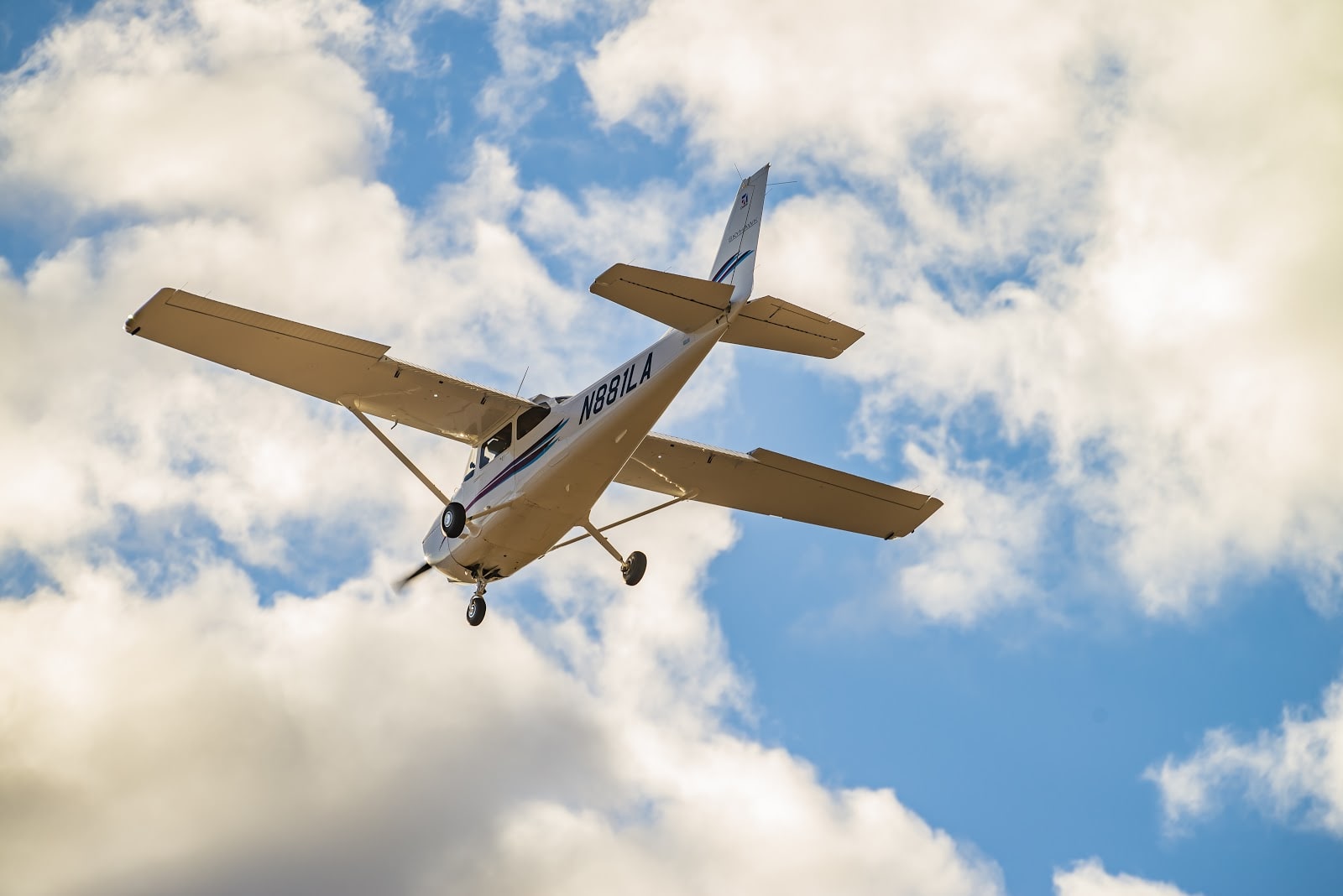
The aircraft and tools you train with shape how you think in the cockpit. That’s why we use modern, well-maintained Cessna 172S aircraft equipped with advanced avionics, including glass cockpit systems. From early in your training, you’re learning how to manage information, stay organized, and operate with the same types of systems used in more advanced aircraft.
This exposure helps you build familiarity with real-world tools that carry forward into your career. As you gain experience, you’ll notice how comfortable you are working with avionics, automation, and situational awareness.
Instructors Who Mentor, Guide, and Support
One of the biggest differences you’ll feel at Leopard Aviation comes from the people you train with. Our certified instructors bring experience from airline and corporate aviation, and we take pride in sharing that perspective in a way that feels approachable and practical!
We see instruction as more than just teaching maneuvers. It’s about mentorship, guidance, and helping you develop confidence over time. As you train with us, you’ll build habits that reflect real-world flying, along with the judgment and awareness that professional pilots rely on every day.
As you move through your training, the goal is to give you more than just the ability to fly. We’re helping you develop the mindset, discipline, and awareness that carry into every phase of your aviation career.
By the time you’re ready for your next step, you’ll have a strong foundation that supports both structured environments like Part 121 and adaptable operations like Part 135. That preparation makes the transition smoother and gives you the confidence to take on new challenges as your career continues to grow.
Part 121 or Part 135: How to Decide What’s Right for You
Choosing between Part 121 and Part 135 comes down to how you want your flying career to feel day to day. Both paths offer strong opportunities, but they differ in structure, pace, and the kind of experience you build along the way. As you think about your direction, it helps to picture not just where you want to end up, but how you want to get there.
Some pilots are drawn to the organized, system-driven environment of airline flying, while others prefer the variety and adaptability that come with charter operations. When you align your choice with your personal preferences and long-term goals, the path forward becomes much clearer.
If You’re Aiming for the Airlines
For aspiring airline pilots, Part 121 is often the long-term target. It offers a clearly defined career progression, with structured advancement through seniority systems and standardized training programs. Over time, this can lead to greater stability in scheduling and long-term planning, which many pilots value as their careers develop.
As you move toward this path, you’ll spend time building experience that aligns with airline expectations. That often includes developing strong crew coordination skills, operating within structured systems, and becoming comfortable with highly standardized procedures. If you enjoy predictability and a defined progression, this path tends to feel like a natural fit.
If Charter Flying Catches Your Interest
Part 135 appeals to pilots who enjoy variety and a more dynamic flying experience. Each trip can bring a different route, mission, or operational challenge, which keeps the work engaging and hands-on. You’re often more directly involved in decision making, which helps build confidence and adaptability in a wide range of situations.
Another advantage is the opportunity to move into turbine aircraft earlier in your career. This can accelerate your exposure to advanced systems and real-world operations, giving you valuable experience that carries forward into future opportunities. If you like the idea of flying that changes from day to day, this path offers that flexibility.
What to Consider as You Decide
As you weigh your options, a few key factors can help guide your decision:
- The type of daily routine you enjoy, whether structured schedules or changing missions
- Your preferred pace of career progression and how quickly you want to step into advanced aircraft
- The balance between stability and flexibility in your work life
- How much you value variety in routes, destinations, and flight types
- The kind of operational environment where you feel most confident and engaged
Taking the time to reflect on these points can give you a clearer sense of which path aligns with your goals.
Build Your Future in Aviation Starting Today
Understanding what part 121 in aviation is gives you a clear view of how airline operations run with structure, precision, and teamwork at scale. When you compare that with Part 135, the differences in flexibility, training, and daily flying start to stand out, helping you picture where you might fit best as your career develops.
At Leopard Aviation, we help you build the kind of foundation that prepares you for both paths with confidence. You’ll train with experienced instructors in modern aircraft while developing real-world skills that carry forward. If you’re ready to take that first step, schedule your flight training lessons today and start turning your goals into reality.
FAQs
How does Leopard Aviation prepare students for airline-style flying?
At Leopard Aviation, we focus on building strong habits early that carry into airline environments. We emphasize structure, communication, and situational awareness in every lesson. Our goal is to help you feel comfortable operating within a system, so when you step into more advanced training, the transition feels natural and manageable.
What is training like with Leopard Aviation on a day-to-day basis?
Training with us is designed to be consistent, engaging, and tailored to your pace. We combine structured lessons with real-world application so you’re always building skills that matter. Each flight builds on the last, and we keep things organized so you always know what you’re working toward as you progress.
What is part 121 in aviation and why is it important for pilots?
Part 121 refers to FAA regulations that govern scheduled airline operations and large-scale cargo carriers. It’s important because it sets the standard for how airlines operate safely and efficiently at scale. For pilots, it represents a major career milestone, where flying becomes part of a highly structured, team-based environment with clearly defined procedures and responsibilities.
What kind of flying do pilots do under Part 121 operations?
Pilots under Part 121 typically fly scheduled routes for airlines, carrying passengers or cargo between cities on a consistent timetable. The flying often involves larger aircraft, longer distances, and operations into busy airports. You’ll work closely with a crew and dispatch, following established procedures that keep flights running smoothly across a wide network.
What skills should pilots focus on if they want to fly under Part 121?
Strong communication, situational awareness, and the ability to follow procedures consistently are key. You’ll also benefit from solid instrument flying skills and the ability to work effectively in a multi-crew environment. Building good habits early, especially around checklist discipline and teamwork, makes the transition into airline operations much smoother.
Can we train on a schedule that fits my lifestyle at Leopard Aviation?
Yes, we work with you to create a training schedule that fits your availability and goals. Whether you want to move quickly or train at a steady pace, we help you stay consistent and progressing. That flexibility makes it easier to stay committed and keep building momentum as you work toward your pilot certificates.