
Requirements to Get a Private Pilot License: Your Complete Guide
The requirements to get a private pilot license often spark a mix of excitement and curiosity. Flying an airplane starts long before the first takeoff, with a few key milestones that shape how smoothly your training unfolds. Understanding what’s involved helps you arrive prepared, confident, and ready to enjoy every step of learning to fly.
At Leopard Aviation, we guide new pilots through these requirements with clarity and support from day one. From eligibility basics to training expectations, each piece plays a role in building strong habits and confidence in the cockpit. If flying has been on your mind, this is where preparation turns into momentum and the journey truly begins.
What Is a Private Pilot License (PPL)?
A Private Pilot License marks a major milestone in aviation. It represents your transition from student to certificated pilot and gives you real freedom in the cockpit. For many pilots, this is where flying becomes personal, practical, and deeply rewarding.
What a Private Pilot License Allows You to Do
A PPL is the first full certificate most pilots earn and serves as your official authorization to fly aircraft for personal use. With this license, you gain the ability to:
- Fly solo or with passengers for non-commercial purposes
- Rent or own aircraft
- Fly almost anywhere in the United States and internationally with proper planning
It functions much like an aviation driver’s license, granting independence while requiring discipline, preparation, and respect for the rules of the air.
Why the PPL Matters
Earning a Private Pilot License builds the foundation for everything that follows in aviation. It develops judgment, situational awareness, and confidence while opening the door to future ratings or simply a lifetime of recreational flying. Whether your goals stay personal or grow larger, this certificate shapes how you experience flight from day one.
FAA Private Pilot License Requirements: The Core Checklist
Eligibility and Knowledge Requirements
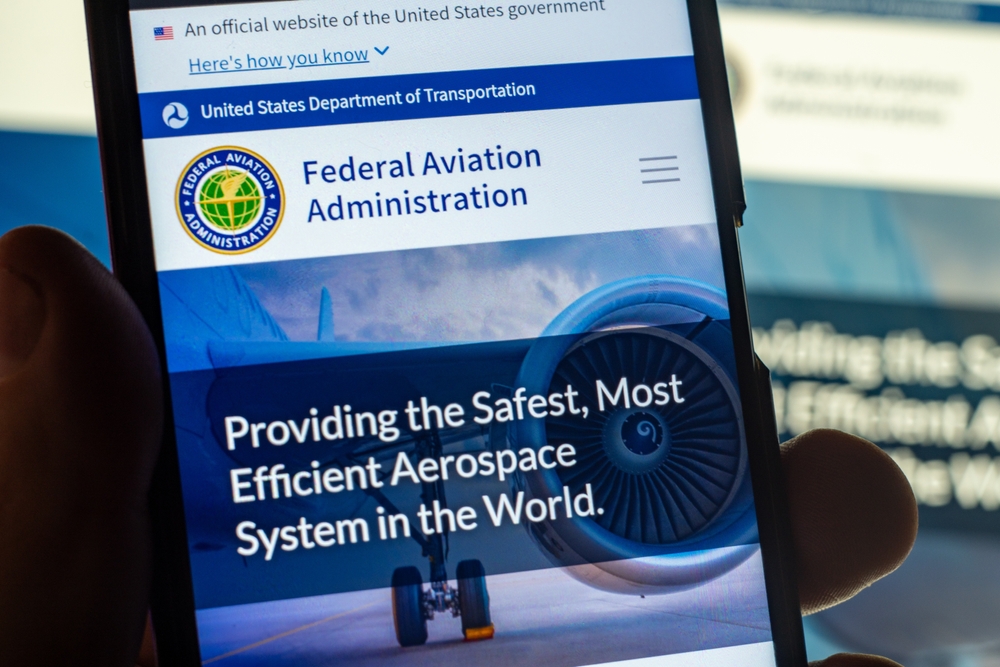
Earning a Private Pilot License follows a clear framework set by the FAA. These requirements create consistency, safety, and structure across flight training nationwide. Under Part 61, you must meet several foundational requirements before earning a certificate:
-
- Be at least 17 years old, though training can begin earlier
- Hold a valid third-class FAA medical certificate
- Read, speak, write, and understand English
- Complete ground school through an online program, classroom setting, or one-on-one instruction
- Pass the FAA written knowledge exam
These steps confirm that you are medically qualified, academically prepared, and ready for hands-on training.
Flight Time and Skill Requirements
Flight training builds experience progressively, combining instructor guidance with independent practice. The FAA requires a minimum of 40 total flight hours, though many students take additional time to feel fully prepared.
Those hours must include 20 hours of flight training with a Certified Flight Instructor and 10 hours of solo flight. Within that time, you complete specific cross-country flights, night operations, and basic instrument training. The process concludes with a checkride, which includes an oral exam and a practical flight test conducted by an FAA examiner.
Ground School: What It Covers and How It Fits In
Ground school gives you the knowledge that supports every decision you make in the cockpit. It connects theory with real flying and helps you understand the why behind procedures, weather decisions, and aircraft behavior.
Core Topics You Learn
Ground school introduces the fundamental concepts pilots rely on before and during flight. These subjects provide the framework for safe and confident flying:
- Aerodynamics and how an aircraft produces lift and responds to control inputs
- Weather theory and FAA regulations that guide safe operations
- Navigation techniques and chart interpretation
- Aircraft systems and performance planning
Together, these topics form the mental toolkit pilots use on every flight.
How Ground School Fits Into Training
Ground school can be completed online at your own pace or in person with a school or instructor. Both formats aim to build strong understanding while fitting different schedules and learning styles.
This training directly supports preparation for the FAA written knowledge exam and reinforces what you practice in the aircraft. Concepts learned on the ground show up in flight planning, in-flight decision-making, and post-flight review, making ground school a practical part of learning to fly rather than isolated study.
Medical Requirements: What You Need to Know
Before flight training begins, pilots must meet basic medical standards set by the FAA. These requirements help confirm that you can safely operate an aircraft and manage the physical demands of flying.
What the Medical Exam Covers
To qualify for a Private Pilot License, you need at least a third-class FAA medical certificate. The exam is conducted by an Aviation Medical Examiner and focuses on general fitness to fly. During the appointment, the examiner evaluates eyesight, hearing, overall health, current medications, and medical history. Corrected vision is acceptable, and the exam remains straightforward for most applicants.
When to Get Your Medical Certificate
Pilots with past health concerns such as certain medical conditions or a DUI benefit from completing the medical exam early in the process. Doing so helps identify any potential issues before time and money are invested in training.
Things You Can Do Before Your First Lesson
A little preparation before your first flight lesson can make the experience smoother and more enjoyable. Taking early steps helps you feel comfortable in the cockpit and confident about what comes next, even before formal training begins.
Helpful Ways to Get Started
There are several simple things you can do to build familiarity and momentum before lesson one. These steps help reduce uncertainty and make your first flights feel more natural:
-
- Schedule a Discovery Flight to experience flying firsthand and try the controls
- Start reading the FAA Airplane Flying Handbook to understand basic concepts
- Explore a ground schools or use practice apps to quiz yourself
- Find a flight school and instructor you connect with, since a good working relationship supports learning
Preparing ahead of time allows you to focus more on flying and less on unfamiliar terminology or procedures. Students who arrive with some background often feel more relaxed and engaged during early lessons. Even small steps can create momentum. When your first lesson arrives, you step into the aircraft ready to learn, curious, and excited about the journey ahead.
How Leopard Aviation Makes Earning Your PPL a Positive Experience
At Leopard Aviation, earning a Private Pilot License feels personal, steady, and engaging. We focus on creating an environment where learning feels approachable, progress stays consistent, and flying becomes something you genuinely look forward to each time you arrive at the airport.
A Location and Climate That Keep Training Moving Forward
We operate out of Mesa and Scottsdale, Arizona, where more than 300 flying days a year support consistent training. Reliable weather allows lessons to stay on track and helps skills build naturally without long gaps. That continuity keeps learning smooth and confidence growing!
Aircraft and Instructors That Support Real, Practical Learning
We train in modern Cessna 172S aircraft equipped with G1000 glass cockpits. These airplanes feel welcoming to new pilots while introducing technology used throughout the aviation industry. Our instructors bring airline, corporate, and real-world flying experience into each lesson, with a clear focus on teaching and mentorship rather than simply accumulating hours.
A First Flying Experience That Sets the Right Tone
Many students begin with a Discovery Flight, spending a full hour in the aircraft with a Certified Flight Instructor and hands on the controls. It offers a relaxed introduction to flying and a chance to see how training feels before committing further. We aim to foster a supportive, welcoming, and professional environment for pilots learning for enjoyment or future career goals alike.
Begin Your Pilot Story
Understanding the requirements to get a private pilot license brings clarity to a goal that often feels distant at first. Age, medical eligibility, ground knowledge, flight training, and the checkride all work together to form a clear, achievable path. With the right preparation, each step builds confidence and momentum rather than uncertainty.
At Leopard Aviation, we guide you through that path with experienced instructors, modern aircraft, and an environment built for steady progress. If flying has been calling your name, now is the time to answer it. Book your first flight, take the controls, and begin a journey that stays with you long after the wheels leave the ground.
FAQs
What are the requirements to get a private pilot license, and how hard are they to meet?
The requirements focus on age, medical eligibility, knowledge, flight time, and a final checkride. Most motivated students meet them with steady training and good instruction. You do not need prior aviation experience. Consistency matters more than speed, and many pilots find the process challenging in a satisfying, confidence-building way.
How long does it usually take to earn a Private Pilot License?
Training length depends on how often you fly and study. Students flying two to three times per week often finish in six to nine months. Less frequent flying can extend that timeline. Weather, scheduling, and personal learning pace all play a role, so progress feels individual rather than fixed.
How much does private pilot training typically cost?
Costs vary based on aircraft type, instructor time, and how efficiently lessons progress. Many students budget between ten and fifteen thousand dollars. Flying consistently, studying between lessons, and staying prepared help reduce extra hours. Viewing training as an investment in skill and experience often helps put costs in perspective.
How does Leopard Aviation help students who feel nervous before their first flight?
We take time to explain what will happen, answer questions, and keep the first experience relaxed. Instructors move at a comfortable pace and encourage questions throughout the lesson. Most nerves fade quickly once students feel the aircraft respond to their inputs and realize how guided the process feels.
How do your instructors support different learning styles?
We adjust instruction based on how each student absorbs information. Some prefer visual explanations, others learn best through repetition or discussion. Instructors watch closely and adapt, which helps concepts click faster and keeps frustration low during challenging phases of training.