
Multi Engine Rating: Pilot Overview Guide on MER Aviation
What is MER aviation? For many aspiring pilots, this question arrives right when their skills start stretching beyond single engine flying. A multi engine rating opens the door to aircraft with greater power, more complexity, and a level of performance that feels like a true step into the world of professional aviation. Once you see how this rating builds confidence and stronger decision making, you begin to understand why so many pilots pursue it.
At Leopard Aviation, we guide students through this stage with a friendly, supportive approach that keeps the learning process clear and enjoyable. Phoenix skies offer the perfect place to grow these abilities, since the steady weather keeps you flying and progressing. Keep reading and discover how a multi engine rating can shape your future as a pilot.
What Is a Multi-Engine Rating?
A Multi Engine Rating is an FAA endorsement that qualifies you to fly aircraft equipped with more than one engine. It expands your access to advanced aircraft and broadens the missions you can take on as your flying experience grows.
How the Rating Fits Into Your Certificates
This endorsement attaches to the certificates you already hold, such as your Private Pilot License, Commercial Pilot License, or Airline Transport Pilot License. Each one forms the base layer of your training, and the multi engine rating elevates that foundation by giving you access to more capable aircraft and a wider range of flying experiences.
Training Time and Progress
Pilots usually complete their multi engine training in about 10 to 20 hours, depending on skill level and program design. This step enhances your credentials and builds confidence with aircraft that offer greater performance and capability across a wide range of flight conditions.
Why Would a Pilot Want a Multi-Engine Rating?
A multi engine rating carries its own momentum. Pilots often reach for it once they feel ready for faster aircraft, wider range, and a level of confidence that keeps growing with every flight. Understanding the benefits helps you picture how this rating shapes your future in aviation.
Career Advancement
Many professional aircraft operate with multiple engines, so this rating supports long term goals across several sectors.
- Most commercial and airline aircraft are multi engine
- Required for airline and corporate jet positions
Pilots who pursue this path place themselves in line for opportunities that rely on higher capability, advanced systems, and broader mission profiles.
Faster Aircraft and Longer Range
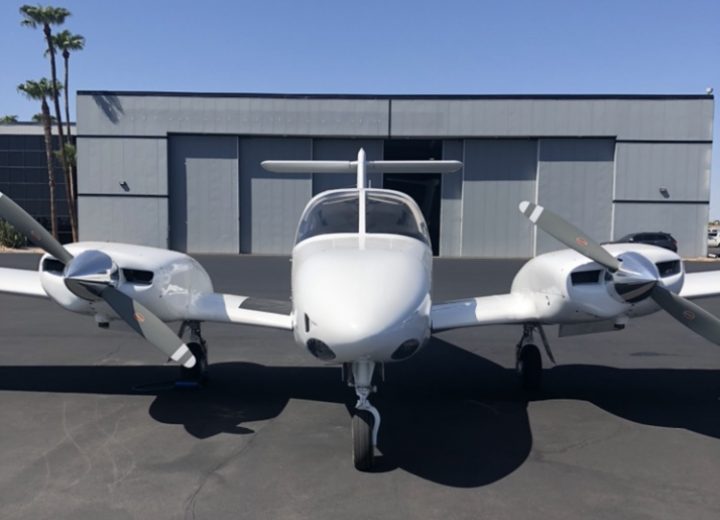
Multi engine airplanes deliver stronger performance for cross country flying. Aircraft such as the Piper Seminole cruise at higher speeds and carry you farther with ease, which creates more efficient long distance planning. This pace helps you cover more ground during training and deepens your comfort with faster aircraft.
Redundancy and Safety
Two engines introduce an added layer of confidence and preparation.
- Additional power source during engine failure scenarios
- Engine out training builds calm, practiced decision making
These moments strengthen your composure and reinforce your ability to manage real world challenges.
More Earning Power
Higher capability creates more opportunity across the aviation industry. Multi engine qualifications open access to charter work, corporate flying, and ferry operations, and they add real weight to a pilot’s resume. This rating often becomes the next natural step after earning a Commercial Pilot License and remains one of the most respected upgrades in a pilot’s skillset.
What Do You Learn During Multi-Engine Training?
Multi engine training opens the door to skills that shape your confidence and sharpen your understanding of aircraft behavior. You step into a cockpit that carries more power, more complexity, and a wider range of scenarios to manage thoughtfully. Each lesson teaches judgment, coordination, and deeper awareness of how an aircraft responds.
Core Skills You Build
Training covers the essential concepts that define multi engine flying.
- Engine out procedures and single engine performance
- Vmc awareness and control
- Managing asymmetric thrust
- Emergency scenarios through all phases of flight
These skills help you respond with calm, practiced decisions during demanding moments.
Systems and Hands On Technique
Pilots also learn the systems that support multi engine operations. Feathering props, fuel management, and weight and balance become everyday considerations. You gain experience with propeller control, retractable gear, cowl flaps, and other components that bring more nuance to each flight. This stage of training strengthens your ability to manage systems while staying ahead of the aircraft in real time.
When Should You Get Your Multi-Engine Rating?
Pilots can pursue the multi engine rating after earning a Private or Commercial Pilot License. The decision depends on your goals, your pace, and how you see yourself growing as a pilot. Many students enjoy pairing this training with other milestones to keep momentum strong.
Popular Times to Add the Rating
Some pilots add the rating to their Private Certificate so they can fly twin engine aircraft for personal or family travel. Others add it during their Commercial training because it strengthens employability and opens access to more professional opportunities. Many students also complete it alongside the Commercial checkride to streamline training time and cost.
Programs That Combine Training
Certain schools offer combined Commercial and Multi Engine programs, which help you build a cohesive skillset through a single, well paced sequence. This approach brings efficiency and gives you a unified learning experience that prepares you for the next chapter.
Building Toward Your Career
Pilots headed toward professional aviation often choose to pursue the multi engine rating early in their training path. It sets the stage for airline and corporate flying, builds confidence with higher performance aircraft, and shapes the skillset you will rely on throughout your career.
How Leopard Aviation Trains You for Multi-Engine Success
At Leopard Aviation, we support your multi engine goals with a clear structure, experienced instructors, and aircraft that prepare you for professional flying. Our approach helps you build confidence early and develop the sharp thinking this rating demands.
The Aircraft You Train In
We use the Piper PA 44 Seminole for multi engine instruction. It carries Garmin avionics, dual engine management tools, and a familiar layout that matches the feel of our single engine fleet. This makes the transition smooth and helps you settle into the cockpit with ease.
What Our Instructors Teach
Our CFIs introduce the core techniques that define multi engine flying.
- Vmc demonstrations
- Engine out procedures
- Emergency drills for real world readiness
They guide you through each scenario with steady coaching, and they help you understand how the aircraft behaves under changing conditions.
How We Build Practical Skill
We combine simulator sessions with real flying to prepare you both mentally and practically. This mix gives you time to practice technique, reinforce decision making, and grow comfortable with higher performance operations. You can train on its own or as part of your commercial program, depending on your goals.
Why Phoenix Helps You Progress
Our training takes place in the clear, dry air of Phoenix. The weather encourages consistent flying days, strong visual instruction, and steady progress. This rhythm helps you train with confidence and carry that confidence into every engine you fly.
The Path That Expands Your Horizons
What is MER aviation? It is a doorway into faster aircraft, greater capability, and a deeper understanding of systems that shape real world flying. Multi engine training strengthens your judgment, expands your range, and reinforces the professionalism you carry into every cockpit. Once you see how this rating supports long term opportunities, the next steps become clear.
At Leopard Aviation, we guide you through this chapter with steady instruction, thoughtful coaching, and the kind of environment that helps you grow with confidence. If you’re ready to build the skills that open new horizons, schedule your first flight lesson today.
FAQs
What does MER aviation actually refer to for a student pilot?
It refers to the multi engine rating, an endorsement that qualifies you to fly aircraft with more than one engine. This step introduces more power, more capability, and a wider operational range. Pilots who pursue it often want stronger career options, deeper systems knowledge, and the confidence that comes from managing a higher performance aircraft.
How long does multi engine training usually take?
Most pilots complete the rating within 10 to 20 hours of flight time, depending on their pace and the structure of the program. The learning is focused and hands on, which helps you absorb concepts quickly. Expect to spend time on engine out procedures, asymmetric thrust control, and systems management before your checkride.
Do airlines require a multi engine rating?
Airlines operate multi engine aircraft, so you will need the rating when you reach that stage in your career. Many pilots earn it during their Commercial training, which helps them build hours while preparing for future opportunities. If you plan to work in charter, corporate flying, or cargo, the rating becomes just as valuable.
Does Leopard Aviation offer dedicated multi engine training?
Yes, we provide multi engine instruction in the Piper PA 44 Seminole, a reliable trainer that prepares you for real world flying. Our instructors guide you through engine out work, Vmc awareness, and systems management so you build confidence early. The experience is structured, supportive, and designed to help you grow quickly.
Can I combine my Commercial training with the multi engine rating at Leopard Aviation?
You can. Many students choose this path because it keeps the training flow smooth and efficient. It helps you strengthen your skills during a key stage of your development and sets you up for professional flying. The combined approach also creates a consistent rhythm that supports faster progress.