
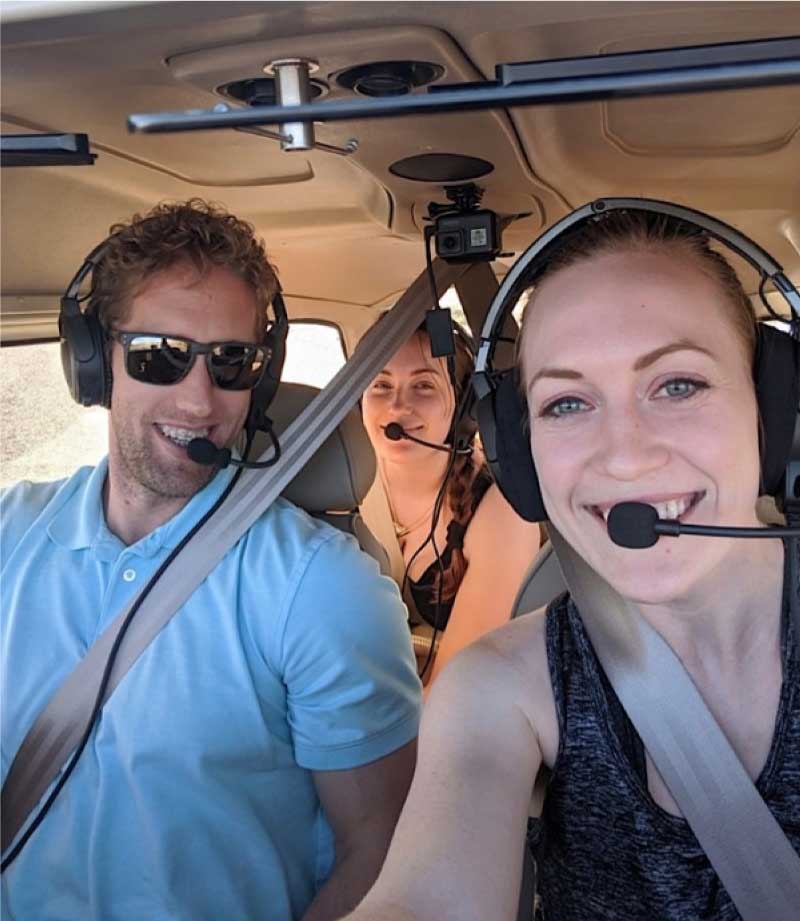
How to Learn to Fly: Complete Beginner’s Guide from Discovery Flight to Solo
Learning to fly begins with curiosity, that moment when watching an aircraft climb through the sky turns into wondering what it takes to be at the controls yourself. If you’ve ever asked “how to learn how to fly a plane,” you’re already at the first step of an unforgettable journey. The process is structured but deeply rewarding, blending precision, focus, and a sense of adventure that few experiences can match.
From your first discovery flight to the day you solo, each stage brings new confidence and skill. You’ll learn to navigate the air, understand your aircraft, and trust your instincts. The journey ahead takes effort, but the reward is unlike anything else: true freedom in the sky.
What Is a Discovery Flight (and Why It’s the Best Place to Start)
Every pilot remembers their first discovery flight. It’s a hands-on introduction to flying that replaces curiosity with confidence. Whether you’re exploring aviation as a hobby or planning a career, this short session gives you a real taste of what it feels like to fly.
Your First Step into the Cockpit
A discovery flight is a short, guided lesson with a Certified Flight Instructor, usually lasting between 30 and 60 minutes. It’s designed to give you a true sense of flying without pressure or long-term commitment.
Here’s what typically happens during your flight:
- A preflight walkaround with your instructor, where you’ll learn the basics of aircraft inspection
- Startup and taxiing procedures before takeoff
- Hands-on flying under your instructor’s supervision
- Basic maneuvers and gentle turns while enjoying the view
- A smooth return and landing at your starting airport
Most students say this is the moment when flying feels possible and when they realize that with the right guidance, they can truly learn to fly.
Why It’s the Ideal Starting Point
Discovery flights are available at most flight schools, including at Leopard Aviation, and serve as both an introduction and an inspiration. The experience gives you a glimpse of what flight training feels like, how instruction works, and whether the rhythm of aviation fits your goals. It’s a low-pressure, high-value first step that often becomes the turning point between dreaming of flight and actually pursuing it.
Private Pilot License (PPL) — Your First Real Milestone
The Private Pilot License (or PPL) is where your journey as a pilot truly begins. It’s your first certification, the point where classroom learning meets real flying. With it, you earn the privilege to explore the sky with purpose and independence.
What the PPL Allows You to Do
A Private Pilot License allows you to fly solo or with passengers under Visual Flight Rules (VFR), during both day and night conditions. It’s a non-commercial certification, but it gives you the freedom to travel, explore, and grow your skills on your own terms. Common uses for the PPL include:
- Weekend flying adventures or short cross-country trips
- Taking friends or family for scenic flights
- Building hours for advanced licenses and ratings
- Practicing navigation, weather decision-making, and airspace communication
Every pilot, whether flying for fun or for the airlines, starts here. The PPL lays the groundwork for all future certifications, introducing the key elements of aerodynamics, flight planning, airspace coordination, and emergency awareness.
It also teaches independence. You’ll learn to manage the aircraft from preflight to touchdown, understanding the full responsibility that comes with command. These early lessons shape how you think, react, and grow as a pilot for years to come.
Step-by-Step: The Beginner Flight Training Process
Learning to fly follows a clear, structured path built around experience, practice, and progress. Each stage builds on the last, taking you from your first time at the controls to earning your Private Pilot License with confidence and a strong foundation in skill.
From Discovery Flight to First Lesson
Every pilot starts with a discovery flight, a relaxed, hands-on introduction to flying with a Certified Flight Instructor. This experience helps you decide whether aviation feels right for you. Once you’re ready, you’ll officially begin training by enrolling in a flight school and starting ground school classes.
Ground school teaches the essentials of flight theory, weather, airspace rules, and aircraft systems. It pairs with flight lessons so you can apply what you learn in the classroom directly to the cockpit.
Building Confidence Through Dual Instruction
In the first phase of formal flight training, you’ll fly with your instructor during what’s known as dual instruction. These early lessons are all about building your confidence, sharpening your control, and developing strong decision-making habits in the cockpit. This is where you begin to form the foundation for all future flying.
- Learning basic maneuvers such as climbs, turns, descents, straight-and-level flight, and proper use of trim
- Understanding navigation, radio communication, and flight planning, including how to interpret sectional charts, plot courses, and communicate effectively with ATC
- Preparing for and completing your FAA 3rd Class Medical Certificate to ensure you meet the basic health requirements for student pilots
- Studying for the Written Knowledge Test, which covers FAA regulations, weather patterns, airspace classifications, aircraft systems, and performance basics
At this stage, flying begins to feel less intimidating and more intuitive. You’ll notice your takeoffs get smoother, your landings more precise, and your overall confidence begin to grow. Each flight builds on the last, giving you a clearer sense of control and a stronger connection to the aircraft.
From First Solo to Checkride
Once your instructor feels confident in your ability, you’ll complete a pre-solo evaluation. Passing it means you’re ready for your first solo flight, usually after 10 to 25 hours of training. It’s one of the most memorable milestones in aviation.
After soloing, you’ll expand your training with cross-country flights, night flying, and emergency procedures. When you’ve met all flight-hour and skill requirements, you’ll take your FAA checkride, a final test of your flying and knowledge. Passing it makes everything official. You’ll hold a Private Pilot License and, more importantly, the confidence and skill to explore the sky on your own.
Discover the Joy of Flying at Leopard Aviation
Every pilot starts somewhere, and the best beginnings happen in good weather, good company, and good aircraft. At Leopard Aviation, we make learning to fly approachable, personal, and exciting, with expert instruction and Arizona’s endless sunshine setting the stage for your first takeoff.
The Perfect Place to Begin
We train pilots in Scottsdale and Mesa, Arizona, where the skies stay clear for more than 300 days a year. This consistency means faster progress, fewer weather delays, and a learning rhythm that keeps you moving forward. Arizona’s open airspace and scenic landscapes also create the ideal environment for both beginners and advancing students to thrive.
Modern Aircraft, Real Experience
Our students train in Cessna 172S Skyhawks, equipped with technology that mirrors what professional pilots use every day:
- Garmin G1000 glass cockpit avionics
- GFC700 autopilot
- Terrain awareness and ADS-B capabilities
These features build confidence and familiarity with modern systems while keeping every flight safe, intuitive, and productive.
A Culture Built on Support and Skill
We believe the learning environment matters as much as the aircraft. Our certified instructors combine professionalism with approachability, creating a place where students feel encouraged and capable from day one. We fly on your schedule, with both full-time and flexible options that adapt to your lifestyle. Whether you’re learning to fly for the pure joy of it or aiming for a professional career, we guide you step by step, matching your pace with clear instruction and personal mentorship.
The First Step Toward Your Pilot’s Seat
Learning how to learn how to fly a plane is the start of something truly remarkable. From your first discovery flight to earning your Private Pilot License, each stage brings new skill, confidence, and freedom. The process is structured, achievable, and built to fit your pace, especially in a place like Arizona where clear skies make learning steady and enjoyable.
At Leopard Aviation, we make that journey accessible and exciting. With dedicated instructors, modern aircraft, and flexible training options, you can take your first flight knowing you’re supported every step of the way. Book your flight lesson today and start your journey toward the pilot’s seat.
FAQs
How long does it take to learn how to fly a plane?
The timeline depends on how often you train and weather conditions. Most students earn their Private Pilot License within 6 to 12 months. Full-time students who fly several times a week often progress faster, while part-time learners take a bit longer. Consistency is the key to building skill and confidence.
Do I need perfect vision to become a pilot?
No. Corrected vision with glasses or contacts is perfectly acceptable for most flight certificates. The FAA’s medical standards focus on safety and general health, not perfection. If you can see well enough to meet the minimum vision requirements with correction, you can fly.
Is learning to fly difficult for beginners?
Flight training is challenging but very achievable. Lessons start with the basics, and instructors guide you through each skill step by step. Most students find that the more they fly, the faster their confidence grows. The best part is seeing your progress come alive in the sky.
What makes Arizona such a great place for flight training?
Arizona offers over 300 flyable days per year, which means fewer weather delays and faster progress. The combination of clear skies, varied terrain, and active airspace provides an ideal learning environment. It’s one of the top destinations in the world for pilot training.
Does Leopard Aviation help international students train in the U.S.?
Yes. We regularly work with international students and assist with visa, TSA, and logistical support. Our Arizona bases offer reliable weather and professional instruction, helping international students complete their FAA training efficiently and with full guidance along the way.