

How to Get a Pilot License in Arizona: Step-by-Step Guide for Aspiring Aviators
Arizona isn’t just one of the best places to live—it’s one of the best places in the country to learn how to fly. With 300 days of sunshine annually, minimal weather delays, and diverse airspace that ranges from quiet desert practice areas to bustling urban airports, the Grand Canyon State offers aspiring pilots everything they need to earn their certificates efficiently. Whether you’re chasing a career in aviation or finally making good on that lifelong dream of flying, understanding how to get a pilot license in Arizona sets you up for success from day one.
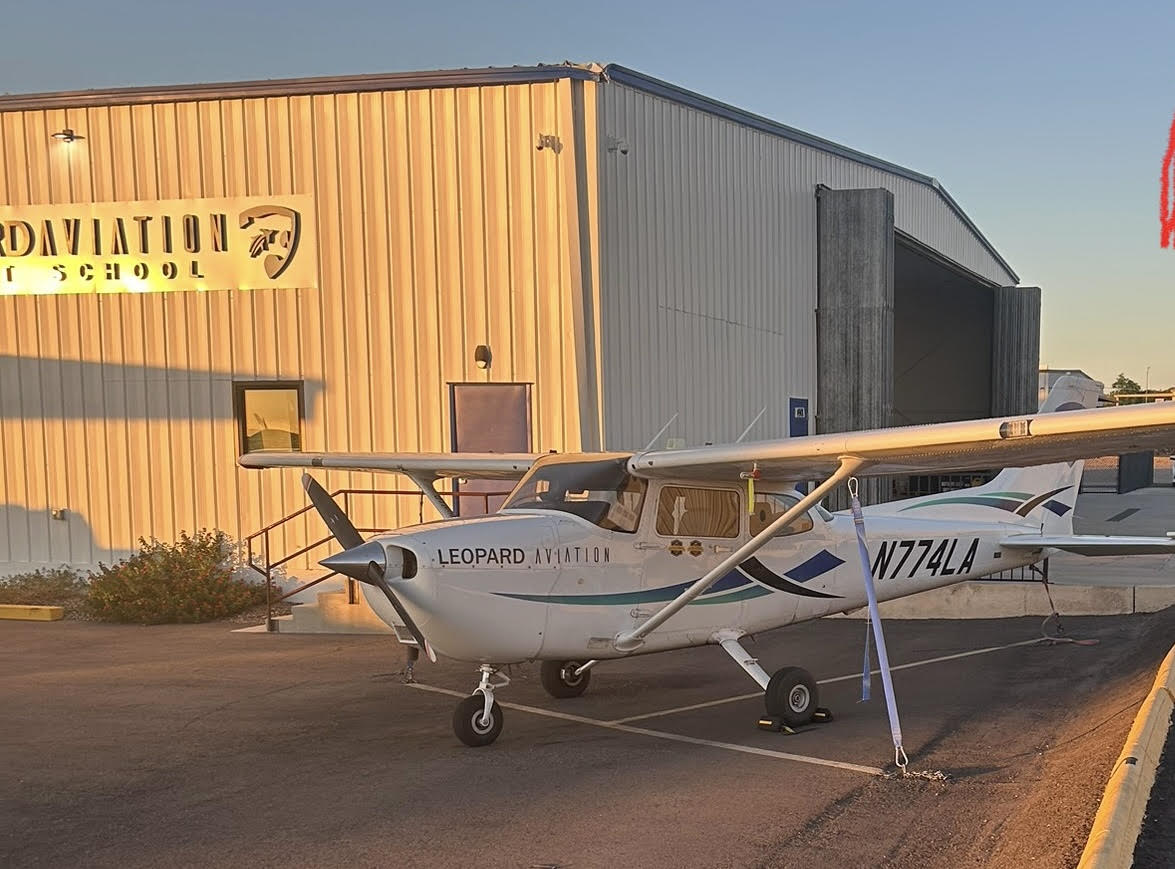
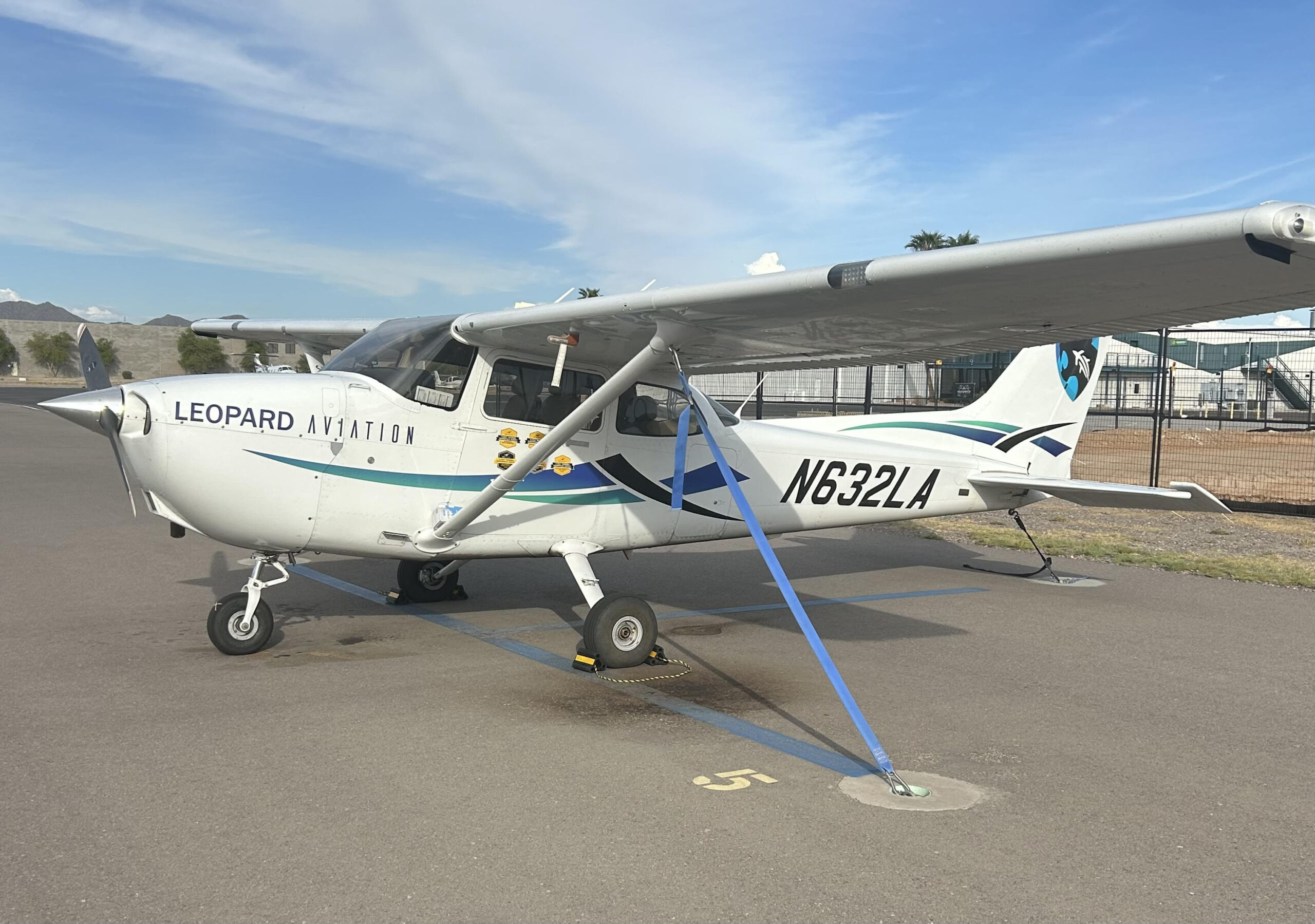
At Leopard Aviation, we’ve been helping students earn their pilot certificates in sunny Phoenix and Mesa, Arizona since day one. We’re a family-owned flight school that operates under Part 61, which means flexible training schedules that adapt to your life instead of rigid programs that don’t. Our fleet of modern Cessna 172S Skyhawks gives you the technology and safety features you’d expect from a professional training environment. We train pilots at every stage—from first Discovery Flights to CFI certification—and we’d love to help you navigate the Arizona skies.
Step 1: Choose Your Arizona Flight School
Your flight school choice affects everything that follows: how quickly you progress, how much you spend, and whether training feels like a grind or something you actually look forward to. Arizona has dozens of flight schools scattered across the Valley and beyond, which means you’ve got options.
Understanding Part 61 vs. Part 141 Schools
Arizona flight schools operate under one of two FAA regulatory frameworks, and the difference impacts how you train.
Part 61 schools offer flexible, personalized training that adapts to your schedule and learning pace. There’s no rigid curriculum you have to follow in a specific order. If you need extra time on crosswind landings or want to accelerate through ground school, your instructor adjusts accordingly. You can start training immediately without waiting for a class to begin, and lessons happen when your schedule allows. This structure works well for students balancing work, school, or family commitments who need training to fit around their lives.
Part 141 schools follow FAA-approved curricula with structured lesson plans and standardized progression. Every student moves through the same syllabus in the same order. This approach works well for full-time students, particularly those using VA benefits or seeking reduced hour requirements for certain certificates. The tradeoff is less flexibility in scheduling and pacing.
Most Arizona flight schools operate under Part 61 because it accommodates the diverse student base the state attracts: working professionals, retirees, part-time students, and career-changers who all need different training timelines.
What Actually Matters When Evaluating Schools
The aircraft you’ll fly determine your training quality and experience. Modern planes equipped with G1000 glass cockpit avionics give you hands-on experience with the navigation and communication systems you’ll encounter in nearly every aircraft built in the last two decades. Glass cockpits provide integrated flight displays, GPS navigation, traffic awareness, and weather overlays that make flying safer and more intuitive. Older steam gauge aircraft still teach the fundamentals, but they don’t prepare you for the technology you’ll actually use beyond training.
Instructor quality separates good schools from mediocre ones. Look for schools with experienced CFIs who’ve flown professionally beyond just instructing. Former airline pilots and corporate aviators bring real-world perspective that enriches your training. They’ve seen the situations you’ll eventually face and can teach you judgment that goes beyond checkride maneuvers.
Low instructor turnover signals a healthy school. If instructors stick around, it means they’re treated well and students benefit from continuity. Constantly changing instructors forces you to re-explain your learning style, repeat material, and lose momentum. Ask how long the school’s CFIs typically stay and whether students can remain with one instructor through their entire certificate.
Local area knowledge matters in Arizona. Instructors who’ve flown the Valley for years know which practice areas stay cooler in summer, how to navigate Phoenix airspace efficiently, and where checkrides typically happen. They understand seasonal wind patterns, dust storm procedures, and the quirks of Arizona aviation that out-of-state instructors won’t catch.
Reputation Signals Quality
Check Google reviews, Yelp ratings, and aviation forums for student feedback. Pay attention to patterns in complaints rather than isolated negative reviews. Every school has occasional unhappy students, but recurring issues with aircraft availability, instructor professionalism, or billing practices tell you what to expect.
Word of mouth within Arizona’s aviation community carries weight. Talk to pilots at local airports, ask controllers which schools they see consistently, and connect with student pilots on social media groups focused on Arizona flying. The schools with strong reputations earn them through years of producing competent pilots who speak highly of their training.
Questions Worth Asking Before You Commit
When you’re evaluating Arizona flight schools, these questions cut through marketing and reveal how schools actually operate:
- What’s the average age of your training fleet, and what avionics are installed?
- How many aircraft do you have available for student scheduling?
- What’s your instructor turnover rate, and how long do CFIs typically stay?
- Do you offer early morning flights in summer to beat the heat?
- What are your cancellation policies for weather or maintenance?
- Can I meet potential instructors before committing to the program?
- How long have you been operating in Arizona?
- What’s your first-time checkride pass rate?
The answers tell you whether a school runs professionally or cuts corners. If they can’t answer clearly or seem defensive, that’s your signal to keep looking.
Arizona gives you plenty of flight school options. Choose the one that fits your schedule, operates modern equipment, employs experienced instructors, and has a reputation for producing competent pilots. Everything else is just marketing.
Step 2: Get Your Medical Certificate
Before you can solo an aircraft, the FAA needs to confirm you’re physically capable of flying safely. That’s where the aviation medical certificate comes in. Think of it as the FAA’s way of ensuring pilots meet basic health standards for vision, hearing, cardiovascular fitness, and overall physical condition. You’ll need at least a third-class medical certificate to train for your Private Pilot License, and getting one is usually straightforward for most healthy individuals.
What the Medical Exam Actually Covers
The aviation medical exam checks the physical systems that matter most for safe flight operations. You’ll visit an Aviation Medical Examiner (AME), a physician specially certified by the FAA to conduct these exams. The process takes about 30-45 minutes and covers several key areas.
Vision gets tested first. The FAA requires distant vision of 20/40 or better in each eye separately, correctable to 20/20. If you wear glasses or contacts, that’s perfectly fine. The examiner tests your near vision, intermediate vision, and color perception as well. Most people pass vision requirements without issue, even those who’ve worn corrective lenses their entire lives.
Hearing comes next. You’ll take a simple hearing test to ensure you can hear conversational speech at normal volumes. The standard requires that you can hear a conversational voice at six feet with your back turned, or pass an audiometric test. Again, most people meet this requirement easily.
Cardiovascular health gets attention because heart conditions pose real safety risks in flight. The examiner checks your blood pressure and heart rate, listens to your heart rhythm, and asks about any history of cardiac issues. High blood pressure that’s controlled with medication usually isn’t disqualifying, but uncontrolled hypertension can delay certification until you get it managed.
Urinalysis screens for kidney function and diabetes. The exam includes a basic urine test that checks for glucose, protein, and other indicators of underlying health conditions. This catches issues like undiagnosed diabetes that could affect your ability to fly safely.
General health discussion covers your medical history. The AME reviews any medications you’re taking, past surgeries, hospitalizations, and chronic conditions. Honesty matters here. The FAA cross-references your medical application with national databases, so attempting to hide conditions almost always gets caught and creates far bigger problems than disclosing them upfront.
Finding an Aviation Medical Examiner in Arizona
Aviation Medical Examiners are physicians who’ve completed special FAA training to conduct pilot medical exams. You can’t just visit your regular doctor for this. You need an AME, and fortunately Arizona has dozens of them scattered throughout the Valley and across the state.
The FAA maintains a searchable database of all certified AMEs at https://www.faa.gov/pilots/amelocator. Enter your zip code, choose how far you’re willing to travel, and the system shows you nearby examiners with their contact information, office locations, and which class of medicals they’re authorized to issue. Most AMEs in Phoenix and Mesa can issue all three classes of medical certificates.
Before You Schedule Your Exam
Complete your MedXPress application online before your appointment. MedXPress is the FAA’s electronic medical application system where you’ll enter all your personal information, medical history, medications, and health details. The system generates a confirmation number that you bring to your AME appointment. Completing this in advance saves time during your exam and ensures you’ve thought through all the questions carefully.
Gather documentation for any pre-existing conditions. If you have a health condition that requires special issuance or additional review, bring medical records, letters from your treating physician, and any relevant test results. Common conditions that need extra documentation include diabetes, anxiety or depression treated with medication, ADHD, previous DUIs, and certain cardiac conditions.
Consider a consultation before the official exam if you have concerns. Some AMEs offer consultation appointments where they review your medical history and advise whether you’re likely to pass before you submit an official application. This protects you from a denial on your record if there are issues that need addressing first.
Common Medical Certificate Details Arizona Pilots Should Know
- Third-class medicals are valid for 5 years if you’re under 40, and 2 years if you’re 40 or older
- You can fly with corrective lenses (glasses or contacts) as long as your vision corrects to 20/20
- Many medications are acceptable, but some require FAA review or special issuance
- Pre-existing conditions don’t automatically disqualify you, but they may require additional documentation
- The cost typically ranges from $100-$200 depending on the AME and your location
- BasicMed offers an alternative for certain pilots who can’t obtain a standard medical, though it has restrictions
Get your medical certificate early in the training process, ideally before or shortly after your first few discovery flights. You don’t want to invest weeks of ground school and flight training only to discover a medical issue that delays or complicates certification. Some students get their medical before even choosing a flight school, which gives them confidence that training is truly possible.
The medical exam is usually the easiest hurdle in pilot training, but it’s the one you need to clear before everything else can proceed. Find an AME in your area, complete your MedXPress application, and get it done. Once that certificate is in your wallet, you’re officially on the path to becoming a pilot.
Step 3: Begin Flight Training in Arizona
You’ve chosen your flight school and passed your medical exam. Now comes the part you’ve been waiting for: actually flying. Flight training in Arizona gives you advantages students in other states don’t get. Consistent weather means you’ll fly nearly year-round without the delays that plague training programs in regions with harsh winters or unpredictable weather patterns. The diverse terrain offers everything from flat desert practice areas to mountainous regions, preparing you for varied flying conditions you’ll encounter throughout your aviation journey.
Finding the Right Instructor Makes All the Difference
Your instructor will spend dozens of hours in the cockpit with you, shaping how you think about flying, how you manage risk, and whether training feels overwhelming or achievable. A good CFI adapts their teaching style to match how you learn, communicates clearly without talking down to you, and prioritizes safety while keeping lessons engaging. They answer questions patiently, explain concepts multiple ways if needed, and create an environment where making mistakes becomes part of learning rather than something to fear.
Green flags that signal quality instruction:
- Clear communication during briefings and debriefings
- Patience when you’re struggling with a concept or maneuver
- Willingness to explain things multiple ways until you understand
- Consistent pre-flight preparation and punctuality
- Focus on developing your judgment, not just passing checkrides
- Encouragement balanced with honest feedback on areas needing improvement
- Flexibility in lesson planning based on your progress
Red flags that signal you should find a different instructor:
- Frequently cancels or reschedules lessons last-minute
- Seems distracted or rushed during your training time
- Gets frustrated when you don’t understand something immediately
- Focuses only on checkride maneuvers without explaining the why behind them
- Makes you feel stupid for asking questions
- Pushes you toward solo or checkride before you feel ready
- Shows poor judgment regarding weather or aircraft limitations
Most flight schools will reassign you to a different instructor if the fit isn’t working. Don’t hesitate to ask. Your training is too important and too expensive to waste with someone who doesn’t teach effectively.
What Your First Lessons Actually Look Like
Early flight training focuses on fundamentals: basic aircraft control, understanding how the airplane responds to your inputs, and developing the muscle memory that makes flying feel natural instead of overwhelming. Your first few lessons typically happen in the local practice area where you’ll work on straight and level flight, turns, climbs, and descents without worrying about navigation or talking to air traffic control.
You’ll spend significant time on takeoffs and landings because they’re the most challenging skills to master and the most frequently performed. Arizona airports provide excellent training environments with long runways, light traffic at certain times of day, and forgiving weather conditions most of the year. Your instructor will demonstrate each maneuver first, then talk you through it as you attempt it yourself, gradually reducing their input as your competence builds.
Ground school happens alongside flight training. You’ll study aerodynamics, weather theory, regulations, navigation, and aircraft systems. Some students prefer formal ground school classes where they learn alongside other students. Others use online courses or self-study with textbooks and apps. Both approaches work as long as you’re actually learning the material and preparing for the written exam.
Why Arizona Students Choose Leopard Aviation
We’ve built Leopard Aviation around one simple idea: flight training should be professional, safe, and genuinely enjoyable. We’re a family-owned and operated flight school serving Scottsdale and Mesa, and we’ve trained everyone from teenagers earning their first solo to career-changers pursuing professional aviation in their 40s. Our mission is producing confident, capable pilots who love flying as much as we do.
The Part 61 Flexibility You Actually Need
We operate under FAA Part 61, which gives us the flexibility to tailor your training to your schedule, learning pace, and goals. If you can only fly weekends, we accommodate that. If you want to train intensively and finish quickly, we support that too. Part 61 means we can spend extra time on areas where you need practice and move faster through concepts you grasp quickly. Your training adapts to you, not the other way around.
This flexibility matters enormously for working professionals, students balancing school, and anyone with real-world commitments that don’t pause just because you’re learning to fly. We’ve successfully trained pilots who could only fly once a week and pilots who flew five times a week. Both paths work because we meet you where you are.
Instructors Who Genuinely Care About Your Success
Our CFI team includes former airline captains, corporate pilots, and career instructors who share one common trait: they love teaching people to fly. We match students with instructors based on learning style and personality fit, not just whoever happens to be available. Some instructors excel with students who need detailed explanations and structured lessons. Others connect better with hands-on learners who prefer less talking and more doing. We figure out which approach works for you and pair you accordingly.
What We Offer Beyond Private Pilot Training
Leopard Aviation supports your entire aviation journey, not just your first certificate. We provide training for:
- Private Pilot License for students just starting their aviation journey
- Instrument Rating to build the skills that make you a competent all-weather pilot
- Commercial Pilot License for those pursuing professional aviation careers
- Certified Flight Instructor (CFI) training to help you build hours while getting paid to fly
- Advanced ratings and endorsements as your flying goals evolve
Whether you stop at a private certificate for recreational flying or continue through CFI and beyond toward an airline career, we have the instructors, aircraft, and programs to support you.
Getting Started at Leopard Aviation
The easiest way to see if we’re the right fit is scheduling a Discovery Flight. You’ll meet one of our instructors, see our aircraft firsthand, and actually fly. Discovery Flights give you a genuine taste of what training looks like without any pressure to commit. You’ll get honest answers about timelines, costs, and what to expect from the process.
Step 4: Pass Your FAA Knowledge Test
The FAA knowledge test is your written exam, and you’ll need to pass it before you can take your practical checkride. Think of it as the FAA’s way of verifying you understand the regulations, aerodynamics, weather, navigation, and aircraft systems that keep flying safe. The test consists of 60 multiple-choice questions covering every aspect of aviation knowledge required for a Private Pilot License. You need a 70% to pass, though most well-prepared students score in the 80s or 90s.
What the Knowledge Test Actually Covers
The exam pulls questions from a massive FAA question bank that covers the entire spectrum of private pilot knowledge. You’ll face questions about Federal Aviation Regulations, airspace classifications, weather theory and interpretation, aerodynamics and aircraft performance, navigation and flight planning, radio communication procedures, and aircraft systems. Some questions present straightforward scenarios where you identify the correct regulation or procedure. Others require calculations for weight and balance, fuel consumption, or cross-country flight planning.
Where to Take the Test in Arizona
You’ll take your knowledge test at an FAA-approved testing center, typically a PSI or CATS testing facility. Arizona has multiple locations throughout Phoenix, Mesa, Scottsdale, Tucson, and other cities. These testing centers operate like standardized testing facilities: you schedule an appointment online, show up with proper identification, and take the computerized exam in a proctored environment.
The test costs around $175 and must be paid when you schedule your appointment. You can reschedule if needed, but cancellation policies vary by testing center. Plan to arrive 15 minutes early with a valid government-issued photo ID. The testing center provides everything else: a computer, scratch paper, and a basic calculator for performance calculations. You cannot bring your own materials into the testing room.
Some questions reference charts, figures, and diagrams that appear in a supplement book provided during the exam. You’ll use these references to answer questions about sectional charts, performance graphs, and weight-and-balance calculations. Familiarize yourself with this supplement during your study preparation since navigating it efficiently saves time during the actual test.
How to Prepare Effectively
Study materials for the knowledge test range from traditional textbooks to online courses and mobile apps. Most students use a combination approach: a comprehensive ground school course for initial learning, then practice test software to drill question patterns and identify weak areas. Popular ground school options include Sporty’s, King Schools, and Gleim, all of which offer video courses, practice tests, and study guides specifically for the Private Pilot knowledge test.
Your flight instructor will recommend study materials and track your progress through ground school. Many instructors use practice test scores to gauge when you’re ready for the actual exam. Consistently scoring 85% or higher on practice tests indicates you’re prepared. If you’re scoring in the 70s, you’ll likely pass, but you’re cutting it close and might benefit from additional study in your weak areas.
Ground school shouldn’t feel like isolated memorization. Connect what you’re learning in books to what you’re experiencing in the airplane. When you study weather theory, think about the actual weather conditions you’ve flown in. When you learn about weight and balance, calculate it for your training aircraft. Making these connections helps material stick and makes the test feel less abstract.
Strategic Timing for Your Knowledge Test
Take your knowledge test around 20-30 flight hours into your training. This timing works well because you’ve experienced enough flying to contextualize the material, but you haven’t dragged out your training so long that scheduling the test feels overwhelming. The knowledge is still fresh from ground school, and passing the test creates momentum that carries you through the final phase of training toward your checkride.
Your instructor must endorse you before you can take the knowledge test. This endorsement confirms you’ve completed the required ground training and are prepared for the exam. Most instructors provide this endorsement once you’re consistently scoring well on practice tests and have completed their ground school curriculum.
What Happens After You Pass
The testing center prints your results immediately after you finish the exam. You’ll receive a score report showing your overall percentage and identifying the specific knowledge areas where you missed questions. This report becomes important during your practical checkride because the examiner will ask additional questions about any areas where you scored poorly. If you missed several weather questions, expect in-depth weather discussions during your oral exam.
Your knowledge test results are valid for 24 months. You must complete your practical checkride within that window, or you’ll need to retake the written exam. This rarely becomes an issue for students who train consistently, but life happens. Job changes, financial setbacks, or medical issues can delay training. Just be aware of your expiration date and plan accordingly.
If you don’t pass on your first attempt, you can retest after receiving additional ground training and another instructor endorsement. Most students pass on their first try, especially those who’ve studied thoroughly and taken multiple practice tests. The exam tests knowledge, not trick questions or obscure scenarios. Prepare properly and you’ll pass.
Ready to Earn Your Pilot License in Arizona?
Learning how to get a pilot license in Arizona follows a clear path: choose the right flight school, pass your medical exam, begin consistent flight training, ace your knowledge test, and complete your checkride. Arizona’s year-round flying weather, diverse airspace, and excellent training facilities make the Valley one of the best places in the country to earn your certificate. The key is finding a school that offers modern aircraft, experienced instructors, and flexible training that adapts to your life.
Leopard Aviation is ready to help you navigate every step of this journey. Our Cessna 172S fleet with G1000 avionics, Part 61 flexibility, and passionate instructors give you everything you need to succeed. Schedule your Discovery Flight today and let’s start turning your aviation goals into reality in Arizona’s perfect skies.
FAQs
How long does it take to get a pilot license in Arizona?
Most students earn their Private Pilot License in 6-12 months when training consistently. Arizona’s year-round flyable weather means fewer cancellations and delays compared to states with harsh winters or unpredictable conditions. If you fly 2-3 times per week, you can realistically finish in 6-8 months. Students who fly once a week typically take closer to a year. The timeline depends entirely on your schedule, budget, and consistency rather than weather obstacles.
What are the steps for how to get a pilot license in Arizona?
First, choose a flight school and complete your FAA medical exam. Then begin flight training while studying for your knowledge test, which you’ll take around 20-30 flight hours into training. Continue building flight experience through solo work and cross-country flights until you meet the 40-hour minimum. Finally, complete your checkride with an FAA examiner. The process is straightforward: medical, training, written test, checkride, license.
Does Leopard Aviation help with the FAA medical exam process?
We guide students through the medical process and can recommend experienced Aviation Medical Examiners in the Phoenix and Mesa area. While we don’t conduct the exam ourselves, we help you understand what to expect, what documentation to bring if you have pre-existing conditions, and how to complete your MedXPress application beforehand. We want you to pass your medical smoothly so you can start flight training without delays or complications.
How does Leopard Aviation structure flight training schedules?
We offer completely flexible scheduling because we operate under Part 61. You can fly mornings, evenings, weekdays, or weekends based on what works for your life. Some students train intensively with multiple lessons per week, while others fit in one or two lessons weekly around work or school. We adapt to your availability rather than forcing you into rigid time slots. You book lessons when it works for you and progress at your own pace.
Do I need to pass the written test before I can solo?
No, you can solo before passing your knowledge test. The FAA only requires you pass the written exam before your final checkride, not before solo flight. Most instructors recommend taking the test around 20-30 hours into training when the material is fresh from ground school. This timing removes one major milestone early and lets you focus entirely on flight training during your final preparation for the checkride without test stress hanging over you.