
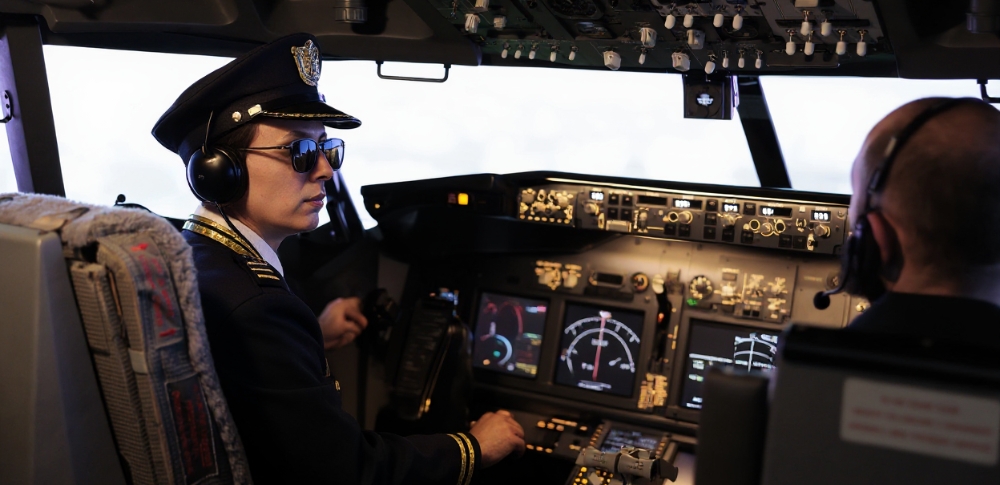
How to Become a Police Pilot: Requirements, Training & Salary
Learning how to become a police pilot opens the door to one of aviation’s most dynamic and purpose-driven careers. Police pilots play a vital role in law enforcement, using helicopters and fixed-wing aircraft to assist in pursuits, surveillance, search and rescue, and community safety operations. It’s a career that blends flying skill with public service, offering challenge, variety, and meaning in every mission.
What Does a Police Pilot Do?
Police pilots operate at the intersection of aviation and public safety. Their work extends far beyond the cockpit, supporting officers on the ground through coordination, surveillance, and rapid response. Every flight is a mission with real consequences and real responsibility.
Their flying supports tactical teams, patrol units, and emergency response operations. Each mission demands focus, communication, and adaptability under pressure.
Core Responsibilities
The role of a police pilot combines technical flying skill with law enforcement coordination. Typical duties include:
- Conducting aerial surveillance during pursuits, traffic monitoring, and criminal investigations
- Assisting in search and rescue (SAR) operations across urban and remote environments
- Supporting SWAT and tactical teams with aerial overwatch during missions
- Transporting officers, equipment, or personnel to critical locations
- Conducting night operations using infrared and FLIR imaging systems
- Maintaining constant radio coordination with ground and dispatch units
- Occasionally training new pilots or cross-training with other public safety departments
Each task serves a clear purpose: to enhance situational awareness, improve response times, and help officers make safer, faster decisions on the ground.
Police aviation bridges the gap between law enforcement and emergency response. The pilots who take these roles become integral parts of coordinated public safety efforts, contributing directly to the security and well-being of the communities they serve. Their work brings precision, courage, and calm to high-stakes situations where every moment matters.
Do Police Pilots Need to Be Police Officers First?
There’s no single path to becoming a police pilot. Some begin their aviation careers as law enforcement officers, while others enter from the civilian side. Understanding how departments structure their aviation programs can help you identify which route fits your experience and goals.
How Most Departments Operate
In many law enforcement agencies, pilots are sworn officers who transfer into aviation units after several years of service. These pilots typically start on patrol or investigative teams, gain field experience, and later apply internally once aviation positions open.
Typical requirements for this path include:
- 3 to 5 years of active duty as a police officer
- A clean service record and strong performance reviews
- Completion of internal flight assessments or aptitude testing
- Department-sponsored flight training or reimbursement programs
This route ensures pilots already understand police procedures, communication protocols, and emergency response coordination before transitioning to the air.
Civilian and Contracted Police Pilot Opportunities
Not all agencies restrict flying roles to sworn officers. Some larger city, county, or state departments—along with federal and contracted law enforcement units—hire civilian pilots who already hold commercial licenses.
These positions often require:
- A Commercial Pilot Certificate with helicopter or fixed-wing ratings
- Experience in public service, emergency operations, or aerial observation
- Strong communication and teamwork skills for working alongside officers
Civilian pilots bring flight expertise, while law enforcement officers provide tactical and operational direction during missions.
Both routes lead to the same goal: keeping communities safe through precision flying and coordinated support. Whether you join as a trained officer who learns to fly or as an experienced pilot who joins a law enforcement team, success depends on skill, teamwork, and situational awareness in the field.
Step-by-Step: How to Become a Police Pilot
Becoming a police pilot takes commitment, flight experience, and specialized training. Whether you start as a civilian pilot or a law enforcement officer, the process follows a structured progression that builds the technical and tactical skills required for law enforcement aviation.
1. Start with Your Flight Training Foundation
Every police pilot begins with general aviation training. The first stages establish core flying ability, navigation, and a strong understanding of aircraft systems. Here’s the standard progression:
- Private Pilot License (PPL): Your entry into flying, earned through a certified flight school.
- Instrument Rating (IR): Recommended for added safety and weather capability.
- Commercial Pilot Certificate (CPL): Required for any compensated flying role.
- Build Hours: Most agencies expect at least 250 flight hours. These can be earned through instruction, banner towing, aerial photography, or cargo work.
This sequence builds the foundation of flight experience and professionalism that police departments look for when selecting candidates.
2. Choosing Your Entry Route
There are two main pathways to becoming a police pilot, depending on whether you are a civilian pilot or a sworn officer. If you’re not a law enforcement officer, you can apply to agencies that hire civilian pilots directly, or you may choose to join a department first and pursue flight training through internal programs or sponsorship.
If you’re already a police officer, you can express your interest in the aviation unit, complete any required internal or external flight training, and work toward meeting your department’s pilot eligibility standards. Each department has its own selection process, which may include written exams, interviews, and flight evaluations to determine readiness for aviation duties.
3. Advance to Specialized Law Enforcement Training
Once qualified, pilots undergo mission-specific instruction tailored to police aviation. Training topics often include:
- Night vision operations for nighttime surveillance and tracking
- Aerial observation and surveillance techniques
- Tactical radio coordination with dispatch and ground teams
- Emergency and rescue procedures
These advanced skills prepare pilots to handle the unique challenges of law enforcement flying, from supporting ground units to conducting search and rescue missions with precision and coordination.
4. Reaching Operational Readiness
After completing flight certification and departmental training, new pilots join active aviation units. They fly under the guidance of senior pilots until fully qualified to lead missions independently. Each step in the process builds on the last, blending aviation expertise with law enforcement purpose. For those who love flying and value service, few careers are as rewarding or impactful.
Salary & Career Outlook for Police Pilots
A career as a police pilot combines purpose with stability. While the job demands skill and precision, it also offers strong compensation, benefits, and long-term security. For those who love aviation and public service, the financial and career outlook is highly rewarding.
What Police Pilots Earn
Police pilot salaries vary based on region, experience, and the type of aircraft flown. According to ZipRecruiter, the average annual pay for a Law Enforcement Pilot in the United States is $130,916. That figure can vary widely, especially in large metropolitan or state agencies operating advanced helicopters or specialized aircraft.
- Location: Urban departments and state agencies tend to offer higher pay.
- Aircraft Type: Helicopter pilots typically earn more than fixed-wing operators.
- Experience: Senior pilots or flight instructors within departments earn higher rates.
- Rank: Sworn officers in supervisory or command positions receive additional compensation.
In addition to base salary, benefits often include government pension plans, health and dental insurance, and uniform or equipment allowances. These perks help create a strong overall package for long-term financial stability.
Career Growth and Job Outlook
Police aviation remains a respected and mission-driven field with strong retention rates. Pilots often stay for decades, drawn by the combination of flying, teamwork, and public service. As experienced officers retire and agencies expand their aviation capabilities, opportunities for new pilots continue to grow. Departments across the country are investing in modern fleets, advanced imaging systems, and specialized training, which increases demand for skilled, certified pilots.
Train for Public Safety Aviation at Leopard Aviation
Public safety aviation requires a balance of skill, judgment, and commitment. At Leopard Aviation, we help students develop those qualities from their first flight onward, training them in modern aircraft and preparing them for the challenges and responsibilities of professional flying.
The Right Foundation for a Purpose-Driven Career
We train future public safety pilots to earn the Commercial Pilot Certificate required for professional aviation roles. Whether your goal is to fly for a police department, fire service, or emergency response unit, our programs are designed to help you build the skills and confidence needed for mission-focused flying.
Modern Aircraft, Real-World Experience
Our students train in Cessna 172S Skyhawks, equipped with advanced technology that mirrors the systems used in law enforcement aviation today:
- Garmin G1000 glass cockpit avionics
- GFC700 autopilot
- ADS-B In/Out and Terrain Awareness
These features create a learning environment grounded in real-world practice. Every flight builds technical awareness, precision, and comfort with the kind of systems you’ll encounter in professional operations.
Training That Fits Your Schedule
We understand that many of our students are already balancing demanding careers or preparing for law enforcement service. Our flexible scheduling allows you to train at a sustainable pace while maintaining your work commitments. Instruction is guided by experienced flight instructors who bring both professionalism and patience to each lesson, ensuring that every hour spent in training moves you forward with purpose.
Support Every Step of the Way
We believe flight training should feel both professional and personal. Our certified instructors take pride in seeing students progress toward their aviation goals, offering the guidance, structure, and encouragement that help you succeed.
We also provide financing options for those investing in their aviation careers, making your path toward public safety flying accessible and achievable. Whether you plan to serve in law enforcement, emergency response, or government aviation, we’ll help you train with confidence and clarity.
Turn Your Passion for Flying Into Purpose
Learning how to become a police pilot takes both dedication and vision. It means building a foundation of aviation skill, understanding law enforcement operations, and earning the certifications that prepare you for mission-critical work. The pathway is structured but deeply rewarding, offering a career that combines precision, service, and adventure in equal measure.
At Leopard Aviation, we help future police and public safety pilots take that first step. With advanced aircraft, professional instruction, and flexible programs, we guide every student toward a flying career that serves a higher purpose. Reach out to us today and begin your journey toward the skies.
FAQs
How long does it take to become a police pilot?
The timeline depends on your starting point. If you’re beginning with no flight experience, earning the required licenses and hours can take 18 to 36 months. Officers transitioning internally may move faster if their department provides flight training. Consistency in flying and studying helps you reach readiness sooner.
Do I need a college degree to become a police pilot?
A degree is not always required, but it can help. Many departments prefer candidates with backgrounds in aviation, criminal justice, or public safety. What matters most is flight certification, flight hours, and a strong record of discipline and teamwork.
What aircraft do police pilots usually fly?
Most police pilots fly helicopters, such as the Airbus H125 or Bell 407, designed for agility and surveillance. Some agencies also use fixed-wing aircraft for longer missions like border patrol, traffic monitoring, or search and rescue. Each aircraft type offers unique operational benefits.
Can I train part-time at Leopard Aviation while working in law enforcement?
Yes. We offer flexible scheduling for officers who want to train while maintaining their duties. You can progress at your own pace, whether you’re preparing to apply for an aviation unit or working toward professional certification for future opportunities.
Does Leopard Aviation provide financing for pilot training?
We do. Leopard Aviation offers financing options that make training accessible for students investing in their aviation careers. Our team helps you explore available plans and find a payment structure that aligns with your goals.