
Can You Become a Pilot With a DUI? Here’s Everything You Should Know
Can you become a pilot with a DUI? It’s one of those questions that tends to sit in the back of your mind, especially if flying is something you’ve always wanted but a past mistake makes you hesitate. The aviation world does have high standards, but the answer is rarely as black and white as people expect. In many cases, context, timing, and how you’ve handled things since matter more than you might think.
The Short Answer: Yes, You Can, but It’s Complicated
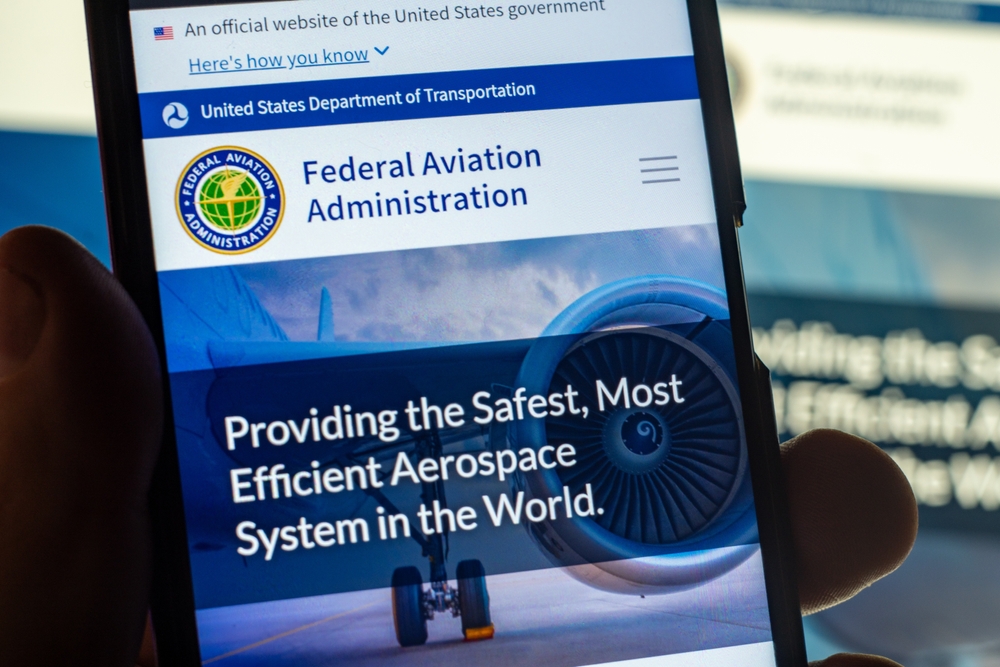
A DUI does not automatically shut the door on becoming a pilot. Many people are surprised to learn that the Federal Aviation Administration (FAA) does not issue a blanket ban for alcohol-related offenses. That said, it is not something that gets brushed aside either. If you have a DUI in your past, the path forward usually involves more paperwork, more patience, and a higher level of scrutiny.
The key thing to understand is that the FAA is less interested in punishment and more focused on safety, judgment, and patterns of behavior. One mistake does not define you, but how you handled it and what you’ve done since matters a great deal.
Why the FAA Takes DUIs Seriously
Pilots are entrusted with safety, responsibility, and sound decision-making. Because alcohol misuse can affect judgment, the FAA looks closely at any history involving DUIs. This applies primarily during the FAA medical certification process, which every pilot must complete.
A DUI must be disclosed to the FAA, even if it happened years ago. Failing to report it is often viewed more negatively than the incident itself. Honesty is critical here. The FAA routinely checks records, and inconsistencies can create bigger problems than the DUI ever would on its own.
The Areas Where a DUI Creates Hurdles
The biggest challenges usually show up in two places: your FAA medical certificate and, later on, employment background checks if you pursue a professional pilot career. The FAA may request detailed documentation related to the incident, including court records, police reports, and proof of any counseling or treatment completed.
Airlines and some commercial operators also have their own policies. While many pilots with past DUIs go on to successful careers, each employer evaluates risk differently. What matters most is transparency and a clean record afterward.
What the FAA Will Look At Closely
When reviewing a DUI, the FAA typically considers several key factors together, rather than focusing on a single detail:
- How long ago the DUI occurred and how much time has passed since
- Whether it was a single incident or part of a pattern
- Your blood alcohol concentration at the time of the offense
- Whether there were aggravating factors, such as accidents or injuries
- Evidence of rehabilitation, counseling, or sustained sobriety
- Your overall behavior and record since the incident
These details help the FAA determine whether the event represents a past mistake or an ongoing concern.
Many Pilots Have Been Where You Are
It’s worth saying clearly: many people with past DUI convictions have gone on to become successful pilots. The deciding factor is rarely the incident alone. It comes down to responsibility, consistency, and the choices made afterward.
If this question has been holding you back, the most productive next step is gathering accurate information and speaking with professionals who understand the process. With the right guidance and realistic expectations, a past mistake does not have to define your future in aviation.
Understanding the FAA’s DUI Disclosure Rules for Pilots
Any DUI arrest or conviction must be reported to the FAA. This disclosure happens in more than one place, starting with FAA Form 8500-8, which is used for your medical certification. Even if the incident happened years ago or resulted in reduced charges, it still must be disclosed.
In addition to medical forms, certain pilot certificates and security-related applications also ask about alcohol-related offenses. These questions are direct, and they expect complete answers. Leaving something out, even unintentionally, can create far more serious consequences than the DUI itself.
The 60-Day Rule for Current Certificate Holders
If you already hold an FAA certificate, there is an additional requirement many pilots are unaware of. You must notify the FAA within 60 days of any DUI conviction or any alcohol-related suspension or revocation of your driver’s license. This requirement applies regardless of whether the offense occurred in an aircraft or a car. Missing this reporting window can result in enforcement action, including suspension or revocation of certificates.
How the FAA Verifies Information
The FAA does not rely solely on self-reporting. They routinely cross-check records through the National Driver Register. That system allows them to see alcohol-related driving actions nationwide.
Because of this, attempting to hide or omit a DUI almost always backfires. When the FAA discovers an undisclosed offense, the issue quickly becomes one of integrity and trust, which are taken extremely seriously in aviation. In many cases, the failure to disclose creates a bigger problem than the original incident ever would have.
What This Means for You as a Student Pilot
If you’re just starting out, it’s important to understand these rules early. Many students wait until later in training to address medical certification or disclosure requirements, which can cause unexpected delays or setbacks.
Being upfront from the beginning allows you to plan realistically and avoid surprises. It also demonstrates maturity and responsibility, which go a long way in aviation.
What You Can Do Now to Strengthen Your Future as a Pilot
Aviation is built on trust, judgment, and consistency. When the FAA or a future employer reviews your background, they are asking a simple question. Are you someone who learned from a mistake and took responsibility, or someone who repeated it? Your goal is to make that answer obvious through your actions over time. Consistency is what builds credibility.
- Stay clean and avoid any repeat alcohol-related incidents. Multiple DUIs create serious barriers, and in many cases, there are no second chances.
- Build a strong personal and professional record. Stable employment, positive references, and responsible behavior all support your case.
- Be proactive with your Aviation Medical Examiner. Discuss your history honestly and early so you understand what documentation or monitoring may be required.
- Keep thorough records related to counseling, treatment, or sobriety programs if applicable. Documentation matters.
- Consider starting with a Discovery Flight. It gets your first flight hour logged and gives you the opportunity to speak directly with an instructor about realistic next steps.
These actions can show maturity, accountability, and commitment to safety.
Many aspiring pilots delay talking to an AME because they are nervous about what they might hear. In reality, early conversations often save time, money, and stress. An experienced AME can explain what the FAA will likely ask for and help you prepare properly. Waiting until later in training can lead to delays that feel discouraging.
How Leopard Aviation Helps You Build a Strong Aviation Future
Not every pilot’s journey looks the same. At Leopard Aviation, we understand that aspiring pilots come from all kinds of backgrounds and life experiences. What matters most to us is where you’re headed and how seriously you take the responsibility of flying.
Leopard Aviation began flight instruction operations in Scottsdale, AZ and quickly expanded to Mesa, AZ due to increased demand. With year-round sunshine and some of the best flying weather in the country, there really is no better place to learn than the Valley of the Sun!
We are a family owned and operated flight school, and that sense of family shows up in how we teach and how we connect with our students. Our mission is to produce the best trained pilots in the sky while maintaining a fun and professional training environment. We believe that great instructors create confident student pilots, who often go on to inspire the next generation of aviators.
Training That Fits Your Life
Flight training should feel exciting, not overwhelming. As a Part 61 flight school, we offer flexible training that adapts to your schedule and goals. You can move at a pace that feels right for you, whether you’re training part-time or flying more frequently.
Our instructors work with you to build skills and confidence step by step. This flexibility is especially helpful for students balancing work, family, or other responsibilities while pursuing their dream of flight.
Experienced Instructors Who Love Teaching
Our Certified Flight Instructors bring a wide range of experience, including airline and corporate flying backgrounds. More importantly, they love teaching. They are patient, approachable, and genuinely excited to see students succeed.
Take a Discovery Flight and Feel It for Yourself
If learning to fly an airplane has always been something you wanted to do, let us take you up in one of our Cessna 172S Skyhawks and show you why we love to fly. A discovery flight is often the moment when curiosity turns into confidence and excitement becomes real.
Scheduling a discovery flight allows you to fly with one of our Certified Flight Instructors and experience what it feels like to be at the controls of a small aircraft. It’s relaxed, hands-on, and designed to leave you smiling when you walk away.
No matter where you’re starting from, we’re here to help you enjoy the process, build confidence, and discover just how possible flying can be!
Every Pilot’s Journey Begins With One Step
Every pilot’s path looks a little different, and that’s part of what makes aviation so rewarding. With the right guidance, a supportive environment, and instructors who truly care, challenges don’t have to stand in the way of your goals. Progress happens one flight at a time, and confidence grows faster than most people expect.
If flying has been on your mind, there’s no better way to find out if it’s right for you than getting in the air. Schedule your discovery flight with Leopard Aviation and experience firsthand how welcoming, exciting, and achievable learning to fly can be.
FAQs
Can you become a pilot with a DUI if it happened several years ago?
In many cases, yes. A single DUI from years ago does not automatically disqualify you from becoming a pilot. The FAA looks closely at how long ago the incident occurred, whether it was isolated, and what your behavior has been like since. Time, consistency, and a clean record afterward matter a great deal. The key is full disclosure and being prepared to provide documentation if requested.
Will a DUI prevent me from getting an FAA medical certificate?
Not always. Many pilots with a past DUI are able to obtain an FAA medical certificate, sometimes through a special issuance process. The FAA may ask for additional records, evaluations, or proof of responsible behavior over time. While it can take longer, plenty of applicants are approved. Starting the medical process early helps you understand what steps may be required.
How does Leopard Aviation help students who are unsure about their eligibility to fly?
We believe in honest conversations and supportive guidance. We take time to listen, explain how the FAA process works, and help students understand realistic next steps. Our instructors can often point you toward helpful resources, including experienced AMEs, so you’re not navigating everything alone.
Does starting flight training later in life make it harder to succeed?
Starting later can feel intimidating, but it’s very common. Older students often bring strong study habits, better discipline, and clearer goals than younger ones. Those qualities go a long way in flight training. While learning styles may differ, age itself is rarely a limiting factor. Many people begin flying in their 30s, 40s, or beyond and progress very successfully.
How does Leopard Aviation handle flexibility for students balancing work or family?
We understand that life doesn’t pause for flight training. At Leopard Aviation, we offer flexible Part 61 training that allows students to schedule around work, family, and other responsibilities. We work with you to build a realistic plan that supports steady progress without unnecessary pressure.