
Best Aircraft for Flight Training: What Students Should Choose
The best aircraft for flight training is a question many student pilots ask early, and it matters more than people sometimes expect. The airplane you learn in can shape how comfortable you feel, how clearly you understand new skills, and how much confidence you build from one lesson to the next. A great training aircraft helps you stay focused, enjoy the process, and grow into the kind of pilot you want to become. If you are weighing your options, there are a few important qualities worth paying close attention to.
At Leopard Aviation, we know the right aircraft can make flight training feel more productive, more enjoyable, and more connected to your long-term goals. That is why we are passionate about training students in modern, capable aircraft that support strong habits, better awareness, and an exciting start in the cockpit.
The Aircraft You Train In Matters More Than You Might Think
A lot of new students assume a training airplane is just a training airplane. At first glance, that seems reasonable. You are there to learn to fly, after all. But the aircraft you train in plays a major role in how that learning experience feels from day one. When you are already juggling checklists, radio calls, traffic patterns, navigation, landings, and decision-making, the airplane should support the process and help you stay engaged.
Your First Training Aircraft Shapes Your Early Confidence
Your first training aircraft shapes your comfort level in the cockpit, your ability to stay focused, and the confidence you build from lesson to lesson. Early flight training asks a lot of you very quickly. You are learning new language, new procedures, new habits, and a completely new environment. That is exciting, but it also means your aircraft needs to feel like a reliable place to learn.
A strong training aircraft helps keep your attention where it belongs. You want to be thinking about flying the airplane, understanding the lesson, and building good judgment. You do not want unnecessary distractions pulling energy away from the learning process. When the aircraft feels well suited for instruction, it becomes much easier to settle in, stay calm, and keep building momentum.
A Good Training Aircraft Should Be Stable, Forgiving, and Practical
The best training aircraft are chosen because they are dependable learning platforms. They give students time to think. They respond in a predictable way. They make repeated practice possible, which matters because flight training is built on repetition, refinement, and consistency.
A stable, forgiving aircraft helps students develop skills with less frustration and more clarity. That does not mean the airplane does the work for you. It means the airplane supports the work you are doing. Practicality matters too. Students benefit from aircraft that are widely used for instruction, well understood by instructors, and designed for the kind of day-to-day training that builds real proficiency over time.
The Best Aircraft Helps You Grow Beyond the First Few Lessons
The ideal training aircraft should keep serving you as your goals expand. Your first few lessons are only the beginning. As your training continues, you want an aircraft that still makes sense for private pilot training, continued proficiency, instrument work, and future preparation.
That long-term value matters more than many students realize at the start. An aircraft that supports growth across multiple stages of training gives you continuity, familiarity, and a stronger sense of progress. It allows each lesson to build on the last while preparing you for what comes next. That is exactly why aircraft like the Cessna 172S Skyhawk have earned such a strong reputation as smart, versatile training platforms for developing pilots.
What Makes a Great Flight Training Aircraft?
You do not need to become an aircraft expert before choosing a flight school, but it helps to understand what makes one airplane better suited for training than another. A few core qualities can tell you a lot about how supportive an aircraft will be once lessons begin. When you know what to look for, it becomes much easier to compare training environments with confidence and ask better questions before you commit.
- Stable handling helps students stay ahead of the aircraft and gives them more time to think through each phase of flight.
- Predictable control response makes it easier to understand how inputs affect the airplane and build consistent flying habits.
- Good visibility from the cockpit supports situational awareness and helps students feel more comfortable in the traffic pattern and during maneuvers.
- Comfortable cabin layout can make a big difference during longer lessons and repeated training flights.
- Strong safety record gives students confidence that the aircraft type has a long history as a dependable training platform.
- Reliable maintenance history supports consistent scheduling and helps reduce interruptions in training.
- Availability of parts and service support matters because it helps keep aircraft flying and training moving.
- Modern avionics can better prepare students for today’s aviation environment and improve awareness in the cockpit.
- Suitability for private, instrument, and commercial training gives the aircraft more long-term value as a student continues progressing.
- Instructor familiarity with the aircraft helps lessons flow more smoothly and supports clearer, more effective teaching.
- Enough useful load for real training scenarios makes it easier to train with the people, fuel, and equipment needed for normal operations.
- A cockpit layout that helps students learn good habits can make procedures, scan, and overall cockpit organization feel more natural from the beginning.
The best training aircraft is not defined by speed or excitement. The right airplane is the one that helps you learn safely, consistently, and confidently while supporting your growth from one lesson to the next.
Why the Cessna 172 Skyhawk Is One of the Most Popular Training Aircraft
The Cessna 172 Skyhawk has earned its place in flight training for very practical reasons. Student pilots need an aircraft that helps them learn clearly, build confidence steadily, and stay focused on the lesson in front of them. That is exactly where the Skyhawk has proven itself over time. Its reputation comes from being dependable, approachable, and capable across many stages of training.
It Is Stable Without Feeling Dull
One of the biggest strengths of the Cessna 172 is its predictable handling. For a new pilot, that matters right away. Early lessons already ask you to manage a lot of new information, so an aircraft that responds in a steady, understandable way can make the whole experience feel more manageable. The Skyhawk gives students real control feel and enough responsiveness to learn from every input, while still staying calm and composed in the air. In training, predictability is a huge advantage.
It Gives Students Time to Think
Flight training moves quickly, especially in the beginning. You are learning how to manage checklists, radio calls, traffic patterns, altitude control, navigation, and decision-making, often all in the same lesson. A good training aircraft supports that learning by giving you enough stability and visibility to stay mentally ahead of the airplane. The Cessna 172 does that very well. It helps students process what is happening, listen carefully to instruction, and make corrections in a more organized way. That kind of learning environment can make every lesson feel more productive and much less rushed.
It Works Well Across Multiple Stages of Training
Another reason the Skyhawk remains such a standard in aviation training is its versatility. It serves students well in the early stages of Private Pilot training, and it continues to be useful as goals become more advanced. Pilots can keep using it for cross-country experience, Instrument Rating work, Commercial Pilot training, and ongoing proficiency flying. That kind of continuity is valuable. When you train in an aircraft that still makes sense as your skills grow, you spend less energy adjusting to a completely different platform and more energy building momentum. Choosing a school with a strong Cessna 172 fleet can support that long-term progress in a very practical way.
It Builds Confidence for Real-World Flying
Students want an aircraft that feels approachable on day one and still supports meaningful growth over time. The Cessna 172 does both. It welcomes beginners into the learning process without making the cockpit feel intimidating, and it remains capable enough to help pilots develop more advanced skills as they progress. That balance is a big reason so many pilots trust it during such an important stage of their journey. You are learning in an aircraft that feels like a real, capable flying machine, which helps build confidence that carries well beyond the first solo or checkride.
What Aircraft Should You Avoid for Flight Training?
Choosing a training aircraft is less about avoiding a specific model and more about recognizing when an airplane may not be the right fit for your goals. That is an important distinction, especially when you are trying to make a smart decision without getting buried in technical details. A good training aircraft should support your progress, fit the kind of flying you want to do, and help lessons move forward smoothly.
Avoid Choosing Based on Price Alone
It is completely reasonable to look at rental rates when comparing flight schools, but price by itself rarely tells the full story. A lower hourly rate can look appealing at first, yet the overall value may feel very different once training begins. If the aircraft is frequently unavailable, uncomfortable for longer lessons, limited in capability, or not well aligned with your next steps, that lower price may not support the kind of progress you are hoping to make. The best training value usually comes from an aircraft that helps you stay consistent, learn efficiently, and feel confident every time you show up to fly.
Be Cautious With Aircraft That Limit Your Next Steps
Some aircraft may work well enough for basic flight instruction, but that does not automatically make them a strong long-term training platform. If you think you may want to continue into instrument training, commercial training, or more advanced proficiency work, it helps to choose a school with aircraft that can support that path. Looking ahead a little now can save you from needing to adjust to a completely different platform sooner than expected. Continuity matters in flight training. The more your aircraft supports your growth over time, the more smoothly your experience can build from one stage to the next.
Ask These Questions Before You Commit
You do not need to evaluate an aircraft like a mechanic to make a smart decision. What helps most is asking practical questions about the training fleet and paying attention to how clearly the school answers them. A few thoughtful questions can tell you a lot about how supportive that environment will be once your training begins.
- What aircraft will I train in?
- How often are they available?
- Are they equipped for instrument training?
- Do they have modern avionics?
- How are maintenance issues handled?
- Will I train in the same type of aircraft consistently?
- Can I continue in this aircraft for future ratings?
- Are instructors highly familiar with the aircraft?
- Will this aircraft help me prepare for my aviation goals?
A strong flight school should be happy to answer those questions clearly and confidently. That kind of transparency helps you make a better decision and gives you a stronger sense of what your training experience will actually feel like.
How Leopard Aviation Sets Students Up With Modern Aircraft and Experienced Instructors
When you choose a flight school, you want an environment that helps you learn well, stay excited, and keep building toward bigger goals with confidence. At Leopard Aviation, we’ve created that kind of training experience by pairing modern aircraft with experienced instruction in a setting that feels both professional and welcoming. When those pieces come together, students can take training seriously, enjoy the process, and keep moving forward with real momentum.
Train in Nearly New Cessna 172S Skyhawks
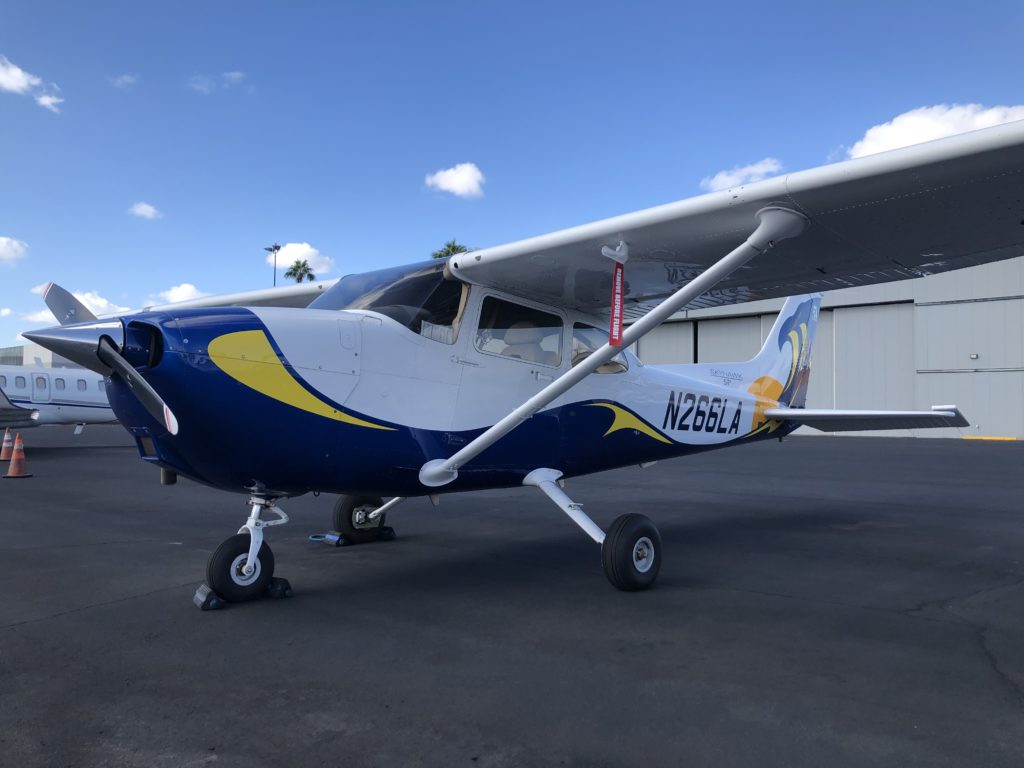
We train students in Cessna 172S Skyhawks, and that makes a meaningful difference from the very beginning. The Skyhawk is already one of the most trusted training aircraft in aviation, and flying a nearly new version gives students a clean, capable, confidence-building platform to learn in.
That matters when you are developing foundational habits and getting comfortable in the cockpit. We want our students to step into an aircraft that feels modern, well cared for, and ready to support serious training from the first lesson forward.
Learn With G1000 Avionics, GFC700 Autopilot, and ADS-B Technology
Our aircraft are equipped with G1000 avionics, GFC700 autopilot, and ADS-B technology, which means students get early exposure to the kinds of systems used in modern aviation. You do not need to be an expert in avionics on day one to benefit from that environment. These systems help organize important flight information clearly, support stronger situational awareness, and make the cockpit feel more connected to the way many pilots fly today.
Experienced CFIs Who Know How to Teach
Great aircraft matter, and great instruction matters just as much. Our Certified Flight Instructors are professional, supportive, and deeply committed to helping students succeed. Some of our instructors bring experience from airline captain or corporate jet backgrounds, and all of them share a serious commitment to quality instruction.
We focus on clear teaching, steady feedback, and a training atmosphere that helps students feel comfortable asking questions and growing at every stage. When you train with us, you are entering an environment built around support, progress, and a genuine passion for flying!
One Place to Keep Training as Your Goals Grow
We also make it easier for students to keep moving forward without needing to change training environments every time a new goal appears. We offer Private Pilot License training, Instrument Rating, Instrument Proficiency Checks, Commercial Pilot training, CFI training, and more. That continuity helps students stay in a familiar setting, keep building with a team that knows their progress, and move into the next phase of training with less disruption. As your goals grow, we are ready to help you keep climbing.
Start With a Discovery Flight
A Discovery Flight is the easiest way to experience what training with us feels like. It gives you the chance to meet an instructor, sit in the pilot’s seat, and get a firsthand feel for the aircraft and the training environment. It is a simple, exciting way to explore aviation without pressure. Come fly with us, experience the Skyhawk for yourself, and see whether training at Leopard Aviation feels like the right fit for your next step.
Train Smarter From Day One
Choosing the best aircraft for flight training can shape your entire learning experience. The right airplane helps you stay comfortable, focused, and confident while building skills that carry from your first lesson into future ratings and real-world flying. When that aircraft is paired with modern technology and a strong training environment, every lesson has the chance to feel more productive and more enjoyable.
At Leopard Aviation, we combine Cessna 172S Skyhawks with experienced instructors who know how to help students grow with confidence. If you’re ready to experience modern aircraft, supportive instruction, and a flight school that takes your goals seriously, schedule your flight training lessons today
FAQs.
What is the best aircraft for flight training if I want a strong start as a student pilot?
The best training aircraft is one that helps you learn clearly, build confidence steadily, and stay focused on the lesson instead of fighting the airplane. Students usually benefit from an aircraft with stable handling, predictable response, good visibility, and a cockpit that supports good habits. A strong training aircraft should also make sense for future goals, including private, instrument, and continued proficiency flying.
Does the aircraft I learn in really make that much of a difference?
Yes, it can make a very real difference. Early flight training already asks you to manage a lot at once, so the aircraft should help you stay comfortable, organized, and mentally ahead of the lesson. A dependable training platform can make learning feel smoother and more enjoyable. That support often leads to better confidence, better retention, and a stronger overall experience in the cockpit.
Should I choose a school based on the aircraft alone?
Aircraft matter a lot, but they are one part of the full training picture. A great airplane still needs to be paired with strong instruction, reliable scheduling, and a supportive environment. The best setup is one where the aircraft helps you learn and the instructor helps you understand what to do with that opportunity. Looking at both together gives you a much better sense of what training will actually feel like.
What aircraft do students train in at Leopard Aviation?
At Leopard Aviation, we train students in Cessna 172S Skyhawks because we want the cockpit experience to feel modern, capable, and confidence-building from the beginning. We believe students benefit from learning in aircraft that are trusted for instruction and well suited for long-term growth. Our fleet helps us create a training environment where students can stay focused, build strong habits, and enjoy the process of learning to fly.
What kind of cockpit technology will I see at Leopard Aviation?
At Leopard Aviation, our aircraft are equipped with G1000 avionics, GFC700 autopilot, and ADS-B technology. We want students to have early exposure to modern systems that support stronger situational awareness and a more current training experience. We introduce that technology in a student-friendly way, with instruction that helps it feel useful rather than overwhelming. That foundation can support confidence now and better preparation for future training later.
Who teaches students at Leopard Aviation?
At Leopard Aviation, our Certified Flight Instructors are professional, supportive, and fully invested in helping students succeed. Some of us bring experience from airline and corporate aviation backgrounds, and all of us share a real passion for teaching. We work hard to create an environment where students feel comfortable asking questions, receiving clear guidance, and building confidence one lesson at a time in a setting that feels both friendly and professional.