
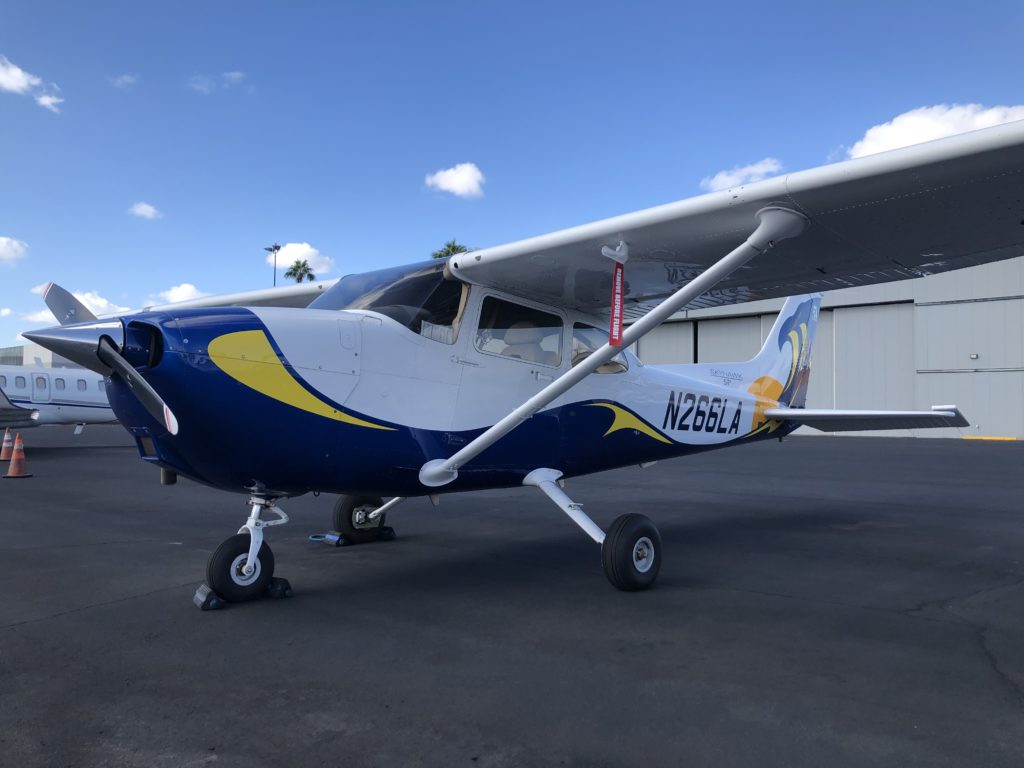
How to Land a Cessna 172: A Step-By-Step Guide
Whether you’re a new pilot or just looking to brush up your skills, learning how to land a Cessna 172 is a rite of passage in aviation. Smooth landings are the hallmark of a skilled aviator, and the Cessna 172 is the perfect aircraft to master the technique, thanks to its forgiving handling and reliable performance.
At Leopard Aviation, we understand that every landing is a unique learning opportunity. Our experienced instructors in Arizona’s sunny skies are ready to guide you through each step, from approach to touchdown, helping you build the confidence and muscle memory you need. If you’re ready to discover how to make every arrival safe and smooth, keep reading!
Step-by-Step Guide – Landing a Cessna 172 from Pattern to Rollout
Landing a Cessna 172 is both an art and a science, but with the right approach, it becomes second nature. Every step, from entering the traffic pattern to rolling out on the runway, plays a vital role in making your touchdown safe, smooth, and satisfying. Let’s break down each phase of the landing so you can feel confident in the cockpit and look forward to every arrival.
Step 1: Enter the Pattern
Joining the traffic pattern is where every good landing begins. At most airports, you’ll enter the downwind leg at pattern altitude—usually around 1,000 feet above ground level (AGL). Keep your airspeed steady at about 90 knots indicated airspeed (KIAS). This is the time to be mindful, scan for traffic, and stay ahead of the airplane.
Before you get busy with the approach, run through the GUMPS checklist:
- Gas: Fuel selector on the fullest tank
- Undercarriage: Fixed gear in the 172, so just a quick check
- Mixture: Set to full rich unless flying at higher altitudes
- Prop: Not adjustable in a 172, just confirm throttle position
- Seatbelts/Switches: Ensure everyone is buckled in, and necessary switches (lights, fuel pump) are set
Completing this routine builds the foundation for a safe landing and helps you catch anything that might otherwise be forgotten.
Step 2: Abeam the Numbers
Once your wing is lined up with the runway numbers (the “abeam” point), it’s time to start preparing for descent. Bring carb heat ON, then gently reduce the power to about 1500 RPM. As the engine quiets down, add the first notch of flaps—usually 10 degrees. This allows you to begin a controlled descent.
Pitch the nose down just enough to hold a steady airspeed between 75 and 80 KIAS. The goal is a smooth, stable descent, not a dive. Make small corrections and keep an eye on your spacing from the runway; this will help with a comfortable and predictable base turn. You should feel the airplane start to settle, signaling it’s ready for the next phase.
Step 3: Turn Base
When you’re about a 45-degree angle from the runway threshold, it’s time to turn onto the base leg. Here, lower the flaps to 20 degrees, and maintain your descent rate. Your altitude should be dropping to somewhere between 500 and 700 feet AGL as you set up for final.
Keep your airspeed in check, targeting 70 to 75 KIAS. Adjust pitch and power as needed to keep the descent steady. Look outside, scan for other traffic, and make sure you’re setting yourself up for a nicely aligned final approach. If there’s a crosswind, pay attention to your track and plan to compensate so you’re lined up perfectly when you roll out on final.
Step 4: Turn Final
Now comes the most focused part of the landing, the final approach. As you roll onto final, line up precisely with the runway centerline. If your approach is stable, extend full flaps (30 degrees) and settle into your approach speed of 65 to 70 KIAS.
Fine-tune your glide path using small adjustments in pitch and power. The trick is to aim for a spot just beyond the numbers, keeping your eyes moving between the runway and your airspeed indicator. Resist the urge to fixate on the gauges; instead, let your eyes flow and trust your training. If you feel high or fast, reduce power or add a touch more nose down. If you’re low, ease in a bit of power.
Step 5: Roundout
As you approach the runway threshold, reduce power gradually and prepare to “round out.” At about 10 to 15 feet above the ground, gently raise the nose to arrest your descent. This maneuver levels your flight path and gets you ready for the main event, the flare.
The key here is timing. Don’t pull back too early, or you’ll float. Too late, and you might touch down harder than planned. Practice and a bit of patience go a long way, and with time, you’ll develop a feel for when to start the roundout.
Step 6: Flare
Just after the roundout, enter the flare by increasing back pressure on the yoke. Hold the nose slightly above the horizon, allowing the aircraft to slow down and lose the last bit of altitude. You’ll feel the main wheels settle gently onto the runway when done correctly.
The secret is to let the aircraft fly itself onto the runway. Don’t force it down or rush the process. The Cessna 172 is forgiving, and a gentle hand on the controls is all you need. Focus on keeping the wings level and making smooth, continuous adjustments as the airplane touches down.
Step 7: Rollout
Once the mains are down, keep the nosewheel off the ground as long as possible by maintaining gentle back pressure. When it naturally settles, focus on keeping the aircraft straight with your feet on the rudder pedals.
If you have a crosswind, hold the aileron into the wind to stay centered. Apply brakes smoothly and exit the runway when safe. Once clear, retract the flaps, check your lights, and give yourself a quiet pat on the back. You just completed another safe landing.
Key Tip:
Let the plane settle on its own during the flare. Trust its design and your training, forcing it down often leads to a rough arrival. Relax, enjoy the view, and let the process unfold.
Why the Cessna 172 Is One of the Easiest Aircraft to Learn Landings In
Generous Flare Window and Stall Characteristics
One of the first things new pilots notice about the Cessna 172 is how forgiving it is during the flare. This phase, where you level out just above the runway before touching down, can be tricky in some airplanes. The 172, though, gives you a wide margin for timing, so if you flare a bit early or late, it still usually settles gently onto the runway. Its stall characteristics are equally reassuring. If you slow down a little too much, the airplane doesn’t suddenly drop or become uncontrollable. Instead, it gives you subtle warnings, allowing you to correct and recover safely. This predictable nature means less stress and more learning for students working on their landing skills.
High-Wing Visibility and Simple Gear
Another standout feature is the 172’s high-wing design. This means you get a fantastic view of the runway and your surroundings as you approach to land, helping you judge height and distance more accurately. Having the gear fixed (no retractable wheels) adds another layer of simplicity—there’s no need to worry about gear position, and the airplane’s behavior stays consistent. Predictable handling during crosswind landings builds confidence. You’ll find yourself focusing on learning good technique instead of being distracted by complex systems.
Slower Approach Speeds for Extra Margin
The Cessna 172’s approach speeds are lower than many other training aircraft. This slower pace gives you valuable extra time to notice issues and make smooth corrections. It also means shorter landing rolls and easier go-arounds. For brand-new pilots, those extra seconds on final approach can make all the difference between a rushed landing and a safe, controlled arrival. The ability to set up a stable, gradual descent makes every step—from turning base to touching down—less rushed and more manageable.
Versatile Flap Configurations for Learning Variety
Students quickly discover that the 172’s flap system is simple to operate and offers plenty of learning opportunities. You can try different landing styles, such as short-field or no-flap approaches, without feeling overwhelmed. The flaps help adjust the aircraft’s approach path, allowing you to experiment and learn how different settings affect speed and descent. This practical, hands-on experience lays a strong foundation for every future aircraft you’ll fly.
The Classic Trainer for All Levels
The Cessna 172 isn’t just a beginner’s plane, it’s also used by flight schools worldwide for both initial training and advanced commercial pilot programs. Its combination of safety, reliability, and friendly flying manners has made it a staple in aviation for decades. Students and instructors alike appreciate the comfort of knowing that the 172 will always give honest feedback and handle predictably, even when conditions get challenging.
When it comes to learning how to land, few airplanes inspire as much confidence as the Cessna 172. That’s why so many pilots earn their wings (and their first smooth touchdowns) in this remarkable airplane.
The “Kid Brother Rule” – What Smart Students Ask Before Picking a Flight School
If you could ask an older sibling who’s already a pilot for their best advice about starting flight training, what would they say? That’s the spirit behind the “Kid Brother Rule.” Choosing where—and how—you’ll learn to fly is a big decision. Here’s what students should always ask before they sign up for their first lesson.
#1. You are NOT picking a flight school. You are picking a flight instructor
Your Certified Flight Instructor (CFI) will be your coach, mentor, and guide throughout your entire learning journey. That’s why you should be picky. Every student learns differently, and the right instructor will adapt their teaching to your style. Maybe you like a lot of feedback and hands-on practice. Or maybe you need things broken down slowly with time to ask questions. A great CFI listens, adjusts, and turns every lesson into a partnership.
At Leopard Aviation, our team is carefully selected for not only their skills in the cockpit, but their ability to inspire and teach. The relationship you build with your instructor is the foundation for all your progress, and a great one can make your flight training truly memorable.
#2. Choose the best to learn the best
Your learning experience is shaped not just by your instructor, but also by the aircraft you train in. Think of your first training plane like your first bicycle—it should be sturdy, predictable, and easy to handle, with room to learn and make mistakes. The Cessna 172 is a favorite for a reason: it’s forgiving and responsive, making it ideal for beginners. If you want to grow into commercial aviation, flying aircraft with up-to-date avionics, like the Garmin G1000 “glass cockpit,” is a big advantage. Training on modern equipment means you’ll develop habits and confidence that will serve you all the way through your aviation journey.
At Leopard Aviation, our fleet is chosen with both fun and learning in mind, so you can get the best of both worlds from your very first lesson.
#3. Don’t be afraid to make mistakes
A big lesson you’d hear from anyone who’s spent time in the left seat: you’ll make mistakes, and that’s not just okay, it’s vital to your progress. Every new maneuver, every first landing, and every missed radio call is a step forward. What matters is a learning environment where you feel safe asking questions, trying new things, and sometimes getting things wrong. Our philosophy is simple: the most meaningful lessons come from working through the unexpected. You’ll walk away from every lesson not just a little better at flying, but a lot more prepared for what’s ahead.
Choose Like You’re Choosing for Family
The “Kid Brother Rule” is all about picking a place and people you’d trust to teach someone you care about. Ask about the instructors. Check out the aircraft. Make sure you feel comfortable with the school’s vibe and philosophy. If it feels like the kind of place you’d send your own brother or sister, you’re probably on the right track.
At Leopard Aviation, we’re committed to creating an experience you’ll want to share with the people you care about most. Whether it’s your first day in the cockpit or you’re working toward your commercial goals, we’re here to make every lesson count.
Learn to Land Like a Pro at Leopard Aviation
Mastering landings can feel like the biggest hurdle for student pilots, but with the right support and environment, it becomes a skill you’ll look forward to perfecting. At Leopard Aviation, we focus on making every landing safe, controlled, and rewarding—no matter your experience level.
Our training grounds at Scottsdale Airport and Falcon Field (Mesa) provide some of the best airports in Arizona for learning landings. These airports are known for their long, well-maintained runways and consistently sunny weather. This means more opportunities to fly and less time waiting for conditions to improve.
Discovery Flights: Try Before You Train
We know that stepping into an airplane for the first time can feel like a big leap, so we offer discovery flights that let you experience landing practice before you commit to a full training program. You’ll fly the traffic pattern, get a sense of how the Cessna 172 handles, and meet your instructor. This low-pressure introduction helps you see if our approach and teaching style are the right fit for your goals and personality.
Modern Fleet and Thoughtful Instruction
Our primary flight training takes place in Cessna 172s equipped with glass cockpits—specifically, the Garmin G1000 avionics suite. This advanced technology gives you exposure to the same systems you’ll find in commercial aviation while making your training safer and more engaging. The high-visibility, forgiving design of the 172 helps you build landing confidence faster and with less frustration.
Our instructors set us apart, too. As a Part 61 flight school, Leopard Aviation can tailor lessons to your learning style and schedule. Every instructor understands that landing is a blend of mental focus and physical coordination. They’re patient, supportive, and focused on helping you develop habits that go beyond just passing a checkride—they want you to land safely every time, in any condition.
Flexible, Student-Friendly Training
We want you to love flying as much as we do, so there’s no pressure to commit to expensive upfront packages. At Leopard Aviation, you pay as you train. This flexibility lets you progress at your own pace, revisit landings as many times as you need, and focus on truly mastering the skill.
At every step, our goal is to help you become the kind of pilot who feels calm and confident every time you line up for a landing, no matter where you’re headed next.
Ready to Touch Down With Confidence?
At Leopard Aviation, we believe every student can learn to land a Cessna 172 with confidence and skill. With personalized instruction, modern aircraft, and Arizona’s perfect flying weather, you’ll find the tools, support, and encouragement you need to progress safely at your own pace. From your first pattern entry to your proudest rollout, our instructors are here to help you master each step and celebrate every milestone.
If you’re ready to experience the thrill of smooth landings and take your training to new heights, now’s the time to schedule your flight lessons. Let’s get you flying—and landing—with total confidence. Reach out and start your aviation journey with us today!
FAQs
How much training does it typically take to land a Cessna 172 smoothly?
Most students begin feeling comfortable with landings after about 10–15 hours of focused practice, though it varies from person to person. Consistency is key, regular lessons and helpful feedback from your instructor will help you master each phase, from approach to rollout, at a pace that works for you.
Can I schedule a discovery flight at Leopard Aviation to try landing a plane before committing?
Absolutely! At Leopard Aviation, we encourage prospective students to book a discovery flight. You’ll get hands-on time with a certified instructor, experience the landing pattern, and see firsthand what it’s like to be at the controls before deciding if you want to pursue flight training.
What’s the hardest part about learning to land a Cessna 172?
For many students, judging the timing of the flare is the most challenging step. It takes practice to recognize the right moment to level off and gently touch down. With patient instruction and repetition, most pilots develop a natural feel for it and soon enjoy every landing.
Does Leopard Aviation use modern aircraft for flight training?
Yes! Our fleet includes modern, glass-cockpit Cessna 172s equipped with the latest Garmin G1000 avionics. This means you’ll be learning on up-to-date technology that not only improves safety but also prepares you for advanced aircraft in your future aviation career.
How do I know if I’m ready to solo and land a Cessna 172 by myself?
Your instructor will make sure you can consistently demonstrate safe landings, good decision-making, and strong pattern work. Once you’ve shown proficiency and feel confident, you’ll be endorsed for your first solo—a true milestone every pilot remembers!