
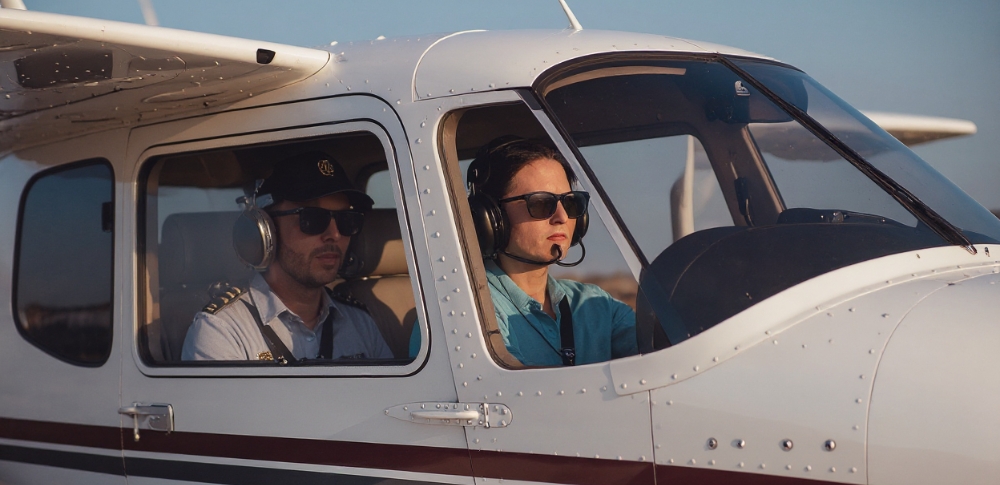
How to Become a Corporate Pilot: Zero to G650 Captain in 7 Steps
Flying private jets for Fortune 500 execs or high-net-worth families sounds like a dream—and for many, it is. If you’ve ever wondered how to become a corporate pilot, the path might be more attainable than you think, even if you’re starting with zero experience.
Corporate aviation offers variety, prestige, and more schedule flexibility than most airline jobs. You’ll fly into beautiful destinations, meet interesting people, and build a high-paying career doing something you love. But the road to a G650 cockpit takes strategy, training, and the right opportunities. Let’s walk through exactly how to get there.
Step 1: Get Your Private Pilot License (PPL)
Every journey in aviation starts the same way: with your Private Pilot License. If you’re serious about flying professionally—especially as a corporate pilot—your PPL is the foundation everything else is built on. It’s your first taste of real flying, your first logbook entry, and your chance to build strong habits early. The quality of your experience here matters more than most realize.
What a PPL Actually Lets You Do
A Private Pilot License allows you to fly a single-engine aircraft for non-commercial purposes. You can carry passengers, fly day or night (with proper endorsements), and take cross-country trips. While you can’t get paid to fly yet, this license gives you full control of an aircraft.
Why the PPL Stage Matters So Much
This is where you build your foundation: communication, checklist use, situational awareness, and decision-making. Great instruction early on creates confident pilots who progress faster, waste fewer hours, and retain more under pressure. Choosing the right instructor and school sets the tone for the rest of your training path.
Start Your PPL With Leopard Aviation
At Leopard Aviation, we love helping students take their first step into aviation. Whether you want to fly for fun or build a professional career, our team is here to support you every step of the way. We’re a family-run flight school with locations in Scottsdale and Mesa, AZ, offering personalized instruction in modern Cessna 172S aircraft with G1000 glass cockpits and advanced safety tech.
Our amazing CFIs include experienced airline captains, corporate pilots, and lifelong instructors who truly love teaching. We offer:
- Flexible scheduling that fits your lifestyle
- Clear pricing with no surprise fees
- A supportive, professional training environment
- Discovery flights to try flying before you commit
Ready to start your journey? Book your first lesson here or call/text us at 1.833.FLY.KSDL—We’d love to help you earn your wings.
Step 2: Earn an Instrument Rating
Once you’ve got your Private Pilot License, the next major step is earning your Instrument Rating.
An Instrument Rating allows you to legally fly in low-visibility conditions, including clouds and at night, using cockpit instruments and navigation systems rather than relying on visual references. But more than that, it pushes your skills to the next level. You’ll learn:
- How to interpret and use complex navigation systems
- How to handle real-world scenarios like weather changes, holds, and approach procedures
- How to plan and manage flights under IFR flight plans
This rating develops serious flight discipline, sharper decision-making, and total situational awareness.
Why It’s Critical for Corporate Aviation
IFR training is a non-negotiable part of the corporate pilot path. Insurance policies often require it. Employers expect it. And in the real world, corporate flight departments don’t cancel trips just because of clouds. They need pilots who are trained, confident, and capable of flying in all kinds of conditions.
Step 3: Obtain a Commercial Pilot Certificate
This is the milestone that turns flying from a personal goal into a profession. Earning your Commercial Pilot Certificate makes it legal for you to get paid to fly, whether that’s towing banners, doing aerial photography, flying charter, or building hours as a flight instructor.
At this point, you’ve likely got 250+ hours of flight time under your belt, and your training starts to reflect a more advanced, real-world level of flying.
What the Commercial Certificate Does
This license allows you to fly for hire, which means you can finally start earning money while building experience. You’ll go through advanced flight maneuvers, more complex aircraft training, and a checkride that focuses on precision and professionalism. This certificate is a must-have for almost every aviation career path.
Requirements and What to Expect
To qualify for your Commercial Pilot Certificate, you’ll need:
- At least 250 hours of total flight time
- Specific time logged in cross-country, solo, and instrument conditions
- Training in a complex or technically advanced aircraft
- A practical test (checkride) that covers commercial-level maneuvers and judgment
Once you’ve earned this certificate, you’re officially a professional pilot.
Step 4: Build Flight Time as a CFI (Or Other Entry-Level Role)
This stage is where you really grow as a pilot. You’ve got your Commercial Certificate in hand—now it’s all about building hours, sharpening skills, and gaining the kind of real-world experience employers look for. Most corporate operators won’t consider you until you’ve logged somewhere between 1,000 to 1,500 hours of total flight time. That might sound like a lot, but with the right path, it adds up faster than you think.
Becoming a Certified Flight Instructor (CFI)
The most common—and arguably most effective—way to build time is by becoming a CFI. Teaching others to fly sharpens your own skills in a way nothing else can. It requires clear communication, consistent decision-making, and strong situational awareness. You’ll learn how to coach under pressure, manage risk, and operate with discipline. These are the same core skills corporate flight departments look for in jet pilots.
CFIs typically rack up flight hours quickly, often flying several times a day with multiple students. And because you’re logging PIC time during instruction, every hour counts toward your totals in a meaningful way.
Other Ways to Build Experience
While instructing is the most direct path, it’s not the only one. Some pilots build hours through pipeline patrol, aerial surveying, banner towing, skydiving operations, or even flying scenic tours. These roles don’t move quite as fast as instructing, but they can still help you gain experience, especially if instructing isn’t your ideal fit.
No matter how you choose to build hours, this phase is about becoming the kind of pilot who can handle responsibility, manage real-world scenarios, and keep passengers safe. When it comes time to step into the corporate jet world, your logbook—and your reputation—will speak for themselves.
Step 5: Get Multi-Engine and Turbine Time
This is the phase where your flying experience begins to align with the world of corporate aviation. Getting a multi-engine rating is more than a box to check, it’s a necessary step to bridge the gap between training aircraft and the kind of jets you’re ultimately aiming to fly. Adding turbine experience on top of that puts you on the radar for serious corporate roles, insurance minimums, and hiring shortlists.
The Multi-Engine Rating
Most corporate aircraft have two or more engines, so multi-engine proficiency is non-negotiable. You’ll learn how to manage engine-out procedures, faster airspeeds, and more complex systems. The rating itself doesn’t take long to earn, but getting actual time in multi-engine aircraft is what really moves the needle. Flying twins builds confidence, improves systems knowledge, and prepares you for the higher speeds and altitudes of turbine aircraft.
Turboprop and Light Jet Experience
To start getting turbine time, many pilots look to:
- King Airs
- Cessna Caravans
- Pilatus PC-12s
- Entry-level jets like the Citation Mustang or Phenom 100
Jobs in charter operations, fractional ownership companies, or corporate flight departments are often where you’ll first find the opportunity to log time in these aircraft. You may begin as a Second-in-Command (SIC), but that time counts, especially when it comes to insurance requirements and your long-term resume.
Step 6: Land a Job as a Corporate Co-Pilot
This is where things start to get exciting. After all your training and time-building, landing your first job as a corporate co-pilot is a huge step forward. It’s your entry point into the world of business jets, high-end service, and serious professionalism.
Types of Jobs and Aircraft
Most corporate pilots start their careers as First Officers (SIC) on midsize or large jets such as:
- Cessna Citation XLS
- Bombardier Learjet series
- Challenger 300/350
- Embraer Legacy or Phenom series
You might be hired by a Part 91 operator (a company or high-net-worth individual with their own aircraft), a Part 135 charter operation, or a fractional ownership company like NetJets or Flexjet.
Professionalism and Daily Duties
Being a co-pilot in this space involves more than just flying. You’re often expected to:
- Coordinate with FBOs (Fixed Base Operators)
- Greet and assist VIP passengers
- Manage flight planning and weather updates
- Dress and act to a very high professional standard
It’s a more personal experience than airline flying, with a strong emphasis on discretion, reliability, and adaptability. You’ll quickly learn the expectations of private clients and what it takes to thrive in this high-trust environment.
Step 7: Upgrade to Captain on High-Performance Jets
After years of training, time-building, and flying professionally, upgrading to captain on a high-performance jet is a major milestone. It’s where all your hours, skill, and professionalism come together. For many pilots, this moment represents the dream fully realized: full command of an elite aircraft, global operations, and the trust of high-profile clients or executives.
Turbine Time and Experience Expectations
To be considered for a captain upgrade on aircraft like the Gulfstream G650, you’ll typically need 1,000 to 2,000 hours of turbine time. Employers are looking for more than just flight time — they want to see excellent judgment, smooth CRM (Crew Resource Management), a safety-first mindset, and a consistent track record of professionalism in both the cockpit and the hangar.
Type Ratings and Advanced Training
Flying a G650 or similar aircraft requires a Type Rating specific to that jet. In many cases, your employer will cover the cost of this training as part of your promotion or hiring package. It’s an intense process but also a badge of honor, and it marks you as part of a highly skilled, highly trusted group of pilots.
Life as a Corporate Captain
Captains of large-cabin jets often earn between $150,000 and $300,000+ per year, with additional benefits and performance-based bonuses. Beyond the pay, the job includes international travel, premium hotels, access to exclusive destinations, and operating in a truly global aviation environment. You’ll need to manage international paperwork, customs procedures, and varying airspace rules, all while delivering a seamless experience to your passengers.
From First Lesson to Jet Captain — The Leopard Aviation Way
Where you start your training makes a huge difference. Learning to fly in a supportive, well-equipped, and experienced environment lays the groundwork for everything that comes after. From your very first takeoff, you want to feel clear, confident, and inspired to keep going.
That’s exactly what we aim to give every student at Leopard Aviation.
Why Train With Us?
At Leopard Aviation, we believe in doing things the right way from day one. We’re a family-run flight school with locations in Scottsdale and Mesa, Arizona, and we’ve built our reputation on making flight training approachable, professional, and genuinely enjoyable.
We train in the sunny skies of Phoenix more than 300 days a year, which means you’ll get the flight time you need without waiting on weather delays. And our aircraft? We use brand-new Cessna 172S Skyhawks equipped with G1000 glass cockpits, GFC700 autopilot, and ADS-B — some of the most advanced and forgiving training aircraft out there. It’s the perfect platform to develop safe habits and modern skills from the start.
Our CFIs are the heart of our school. Some have flown airliners, others have corporate experience, and many are lifelong instructors who simply love helping students succeed. No matter your background, our instructors will work with your pace, goals, and confidence level to help you grow both in the cockpit and in mindset.
What You Can Expect at Leopard Aviation:
- Flexible, part-time or full-time flight training based on your schedule
- Discovery flights to help you try it out without pressure
- Personalized instruction and mentorship from experienced CFIs
- Friendly community environment rooted in professionalism and encouragement
- Clear, competitive pricing and total transparency
- A training path that sets you up for career success — or a lifelong passion
We’d love to help you start your journey toward becoming a corporate pilot, or just help you fall in love with flying. Whether you’re brand new or returning to a childhood dream, we’ll make sure your first steps are the right ones.
Your Path to the Jet Starts Here
If you’ve been wondering how to become a corporate pilot, the path is clearer than you might think. With the right training, experience, and guidance, you can go from a student pilot to a Gulfstream G650 captain. It takes commitment, flight time, and smart career moves—but it’s entirely possible, and thousands of pilots are making it happen.
We’d love to help you take that first step. At Leopard Aviation, we’re here to train, guide, and support you through every phase of the journey—from discovery flight to your commercial rating and beyond. Ready to get started? Book your first lesson here or call/text us at 1.833.FLY.KSDL.
FAQs
How long does it take to become a corporate pilot?
Most pilots take about 2–5 years to go from zero experience to being eligible for corporate jet jobs. It depends on how often you train, how quickly you build flight time, and whether you’re flying full-time or part-time. Many pilots work as CFIs or fly charter to build hours and experience along the way.
What’s the difference between airline and corporate flying?
Airline pilots typically fly scheduled routes with large crews and a consistent routine. Corporate pilots fly business jets for private owners or companies—schedules can vary, and trips often include international destinations or luxury experiences. It’s a more personal, client-facing role with more variety in destinations, but also more flexibility required.
What’s the first step in how to become a corporate pilot?
The first step in how to become a corporate pilot is earning your Private Pilot License (PPL). This license allows you to fly small aircraft and is the gateway to all further training. From there, you’ll build ratings, flight hours, and experience to progress toward turbine aircraft and corporate opportunities.
Does Leopard Aviation offer training for students who want to eventually fly corporate?
Absolutely. Whether your goal is to fly for a business, a private owner, or a fractional jet operator, we’re here to get you started the right way. Our instructors will help you build a solid foundation so your transition to advanced ratings and multi-engine time feels natural and achievable.
What type of aircraft do you use for private pilot training?
We train primarily in Cessna 172S Skyhawks equipped with G1000 glass cockpits, GFC700 autopilot, and ADS-B. These aircraft are safe, reliable, and modern, perfect for learning strong habits early on that you’ll carry into more complex aircraft later in your training.