
How Many Hours Does An Airline Pilot Work? What You’ll be Doing In the Flight And For How Long
Ever wondered how many hours does an airline pilot work and what their days really look like up in the sky? This is a popular question among aspiring aviators and aviation enthusiasts. While the pilot lifestyle might seem filled with adventure and new destinations, the real schedule—and the variety of duties involved in each flight—might surprise you.
At Leopard Aviation, we’re passionate about helping future pilots turn their curiosity into real experience. If you dream of sitting in the left seat and discovering what an airline pilot’s work life is all about, we can teach you how to fly right here in Arizona. Join us and see how flight training could be your first step toward an exciting career in aviation.
Flight Time Limits for Pilots: FAA Rules You Need to Know
The Federal Aviation Administration (FAA) sets strict regulations for flight time and duty periods to ensure pilots are always rested, alert, and ready to keep passengers safe. These rules balance the operational needs of airlines with the physical limits and wellbeing of flight crews, creating schedules that are both challenging and sustainable.
For pilots flying under Part 121 airline regulations, there are specific limits in place to prevent fatigue and keep safety front and center. These limits cover both the number of hours pilots can spend in the air and the total duty time on the job.
The FAA limits an airline pilot’s flight time to:
- 1,000 flight hours in a calendar year: This is the absolute annual maximum for pilots operating under Part 121 regulations.
- 100 hours in any calendar month: This keeps monthly schedules reasonable, even for busy airline crews.
- 30 flight hours in any 7 consecutive days: This rolling limit ensures pilots never go too long without a meaningful break from flying.
- 8 or 9 hours of flight time in a single duty period: The limit depends on when the duty day starts and how many flight segments are scheduled. For example, pilots who begin their workday in the late evening or fly multiple legs may have a slightly shorter maximum.
But there’s more to a pilot’s workday than just flight time. Duty time includes all the hours from reporting for work until being released—covering preflight briefings, aircraft checks, taxiing, ground delays, post-flight paperwork, and time spent waiting between flights. Even when the aircraft isn’t moving, it all counts toward your duty period.
Rest Requirements and Sleep Opportunities for Pilots
Flight safety is closely tied to rest, which is why the FAA has clear requirements for downtime between duty periods. The goal is to make sure every pilot has enough time away from the job to reset, relax, and sleep before getting back in the cockpit.
The minimum rest between duty periods is 10 hours, and that block must provide an opportunity for at least 8 hours of uninterrupted sleep. This is a legal requirement that airlines and pilots must follow. If a delay or operational hiccup cuts into a pilot’s rest window, schedules are adjusted to ensure compliance before the next flight. Pilots are expected to use this period to get actual sleep, not just downtime, which plays a major role in keeping them sharp, alert, and ready to respond to anything that happens during a flight.
Duty Days: What Counts and How They’re Tracked
Duty time encompasses everything a pilot does for the airline during their shift, not just the hours spent flying. This includes:
- Preflight preparation and briefings with crew members
- Aircraft inspections and walkarounds
- Taxi time before takeoff and after landing
- Waiting on the ground during delays or between legs
- Post-flight duties like securing the aircraft and completing paperwork
Airlines track every minute, from sign-in to sign-out, to stay within FAA duty limits. These regulations don’t just protect the pilot; they protect passengers, ground crews, and everyone else in the aviation ecosystem. The FAA’s strict tracking and logging requirements mean pilots and their employers share responsibility for adhering to these time limits.
What a Typical Week Looks Like for Regional and Major Airline Pilots
Pilots at regional and major airlines bid for their schedules each month. The schedule a pilot receives depends on their seniority (how long they’ve been with the company), the type of aircraft they’re qualified to fly, and the airline’s specific needs. Once the monthly schedule is set, it can include anything from single-day trips to multi-day sequences known as “trip pairings.” The higher a pilot’s seniority, the more likely they are to secure desirable trips, better days off, or weekends at home.
The bid system means that every month can look a little different. Newer pilots, or those flying certain regional jets, might see more short-haul flights and frequent schedule changes, while long-tenured pilots at a major airline can often craft a routine that fits their lifestyle.
Three to Four Day Trips: The Core of a Pilot’s Week
The backbone of a typical airline pilot’s week is the multi-day trip. Most pilots spend three or four days at a time flying back-to-back segments, typically starting and ending at their home base. Each trip is carefully structured to stay within FAA duty limits and includes layovers in different cities along the way.
During a three- or four-day trip, a pilot may log between 12 and 18 flight hours. These hours are split across several flights each day, often three or four legs in a single day, depending on the route and type of aircraft. Regional pilots might fly short hops between cities, while those at major airlines could have longer, cross-country legs.
The actual flying is just part of the job. Each duty day includes preflight briefings, aircraft inspections, paperwork, taxiing, and downtime between flights. After landing for the night, pilots check into a hotel for their layover, rest, and prepare for the next day’s schedule.
Layovers: Life on the Road as a Pilot
One of the most unique aspects of an airline pilot’s work week is the layover. Unlike most jobs, pilots frequently spend nights away from home, in cities across the country, or sometimes, across the world. These layovers can last anywhere from a quick overnight to a full day, depending on the route and the schedule.
Layovers offer time to rest, recharge, and occasionally explore new places. Some pilots make a point of sightseeing, finding favorite restaurants, or connecting with friends in various cities. Others use the downtime to catch up on sleep, exercise, or just unwind at the hotel. Layovers help break up the rhythm of back-to-back flights and provide a change of pace from the cockpit.
Layover quality can be influenced by both airline policy and seniority. Senior pilots often have access to longer, more desirable layovers or more time in a given city, especially on international routes. No matter the details, layovers are an essential part of a pilot’s lifestyle.
Days on, Days Off: Balancing Work and Personal Life
Despite what you might imagine, most airline pilots do not work every day of the month. A typical schedule might include 15 to 18 duty days per month, with the remaining days spent at home. This means pilots often enjoy a stretch of time off—sometimes four or five days in a row—between trips. These blocks are perfect for spending time with family, pursuing hobbies, or just taking a break from the fast-paced travel environment.
The flip side is that duty days can be long, sometimes starting early in the morning and ending late at night. Time zone changes, weather delays, and the unpredictability of airline operations keep pilots on their toes. Still, many pilots find the alternating rhythm of busy trips and extended days off is a great fit for their lifestyle.
Over time, as pilots build seniority, they can “bid” for more favorable schedules like weekends off, international flights with longer rest periods, or trips that avoid holidays. Seniority also helps pilots control how much time they spend away from home versus at their base.
Seniority: The Power to Shape Your Schedule
Seniority plays a key role in an airline pilot’s quality of life. At most airlines, pilots with more years of service get the first pick of trip pairings, days off, and even the routes they fly. Senior captains might prefer high-paying international trips that include several days off between long-haul flights, while newer first officers could find themselves flying regional routes with shorter, busier legs.
For pilots who enjoy the variety, early years in the cockpit can be filled with fast turnarounds, city-hopping, and lots of hands-on flying. As time goes on and seniority grows, schedules become more predictable and customizable, letting pilots design a routine that fits their personal and family needs.
Train for Your Commercial Pilot Certificate with Leopard Aviation’s Modern Fleet
If you’ve ever pictured yourself flying professionally, getting paid to be in the cockpit, and building a career that takes you places, the commercial pilot certificate is where that dream starts to become real, and at Leopard Aviation, we specialize in helping you turn your passion into a profession.
At Leopard Aviation, our mission is to train the best pilots in the sky and help you move from dreamer to professional. The commercial pilot certificate is the foundation for a long-term career in aviation. It’s your entry ticket to flying for hire, whether you’re interested in being a corporate pilot, a certified flight instructor, an aerial photographer, an agricultural flyer, or even a future airline captain. Many of our graduates have gone on to exciting careers, all starting with the commercial pilot training they received right here in Arizona.
Train in Modern Aircraft with Leopard Aviation
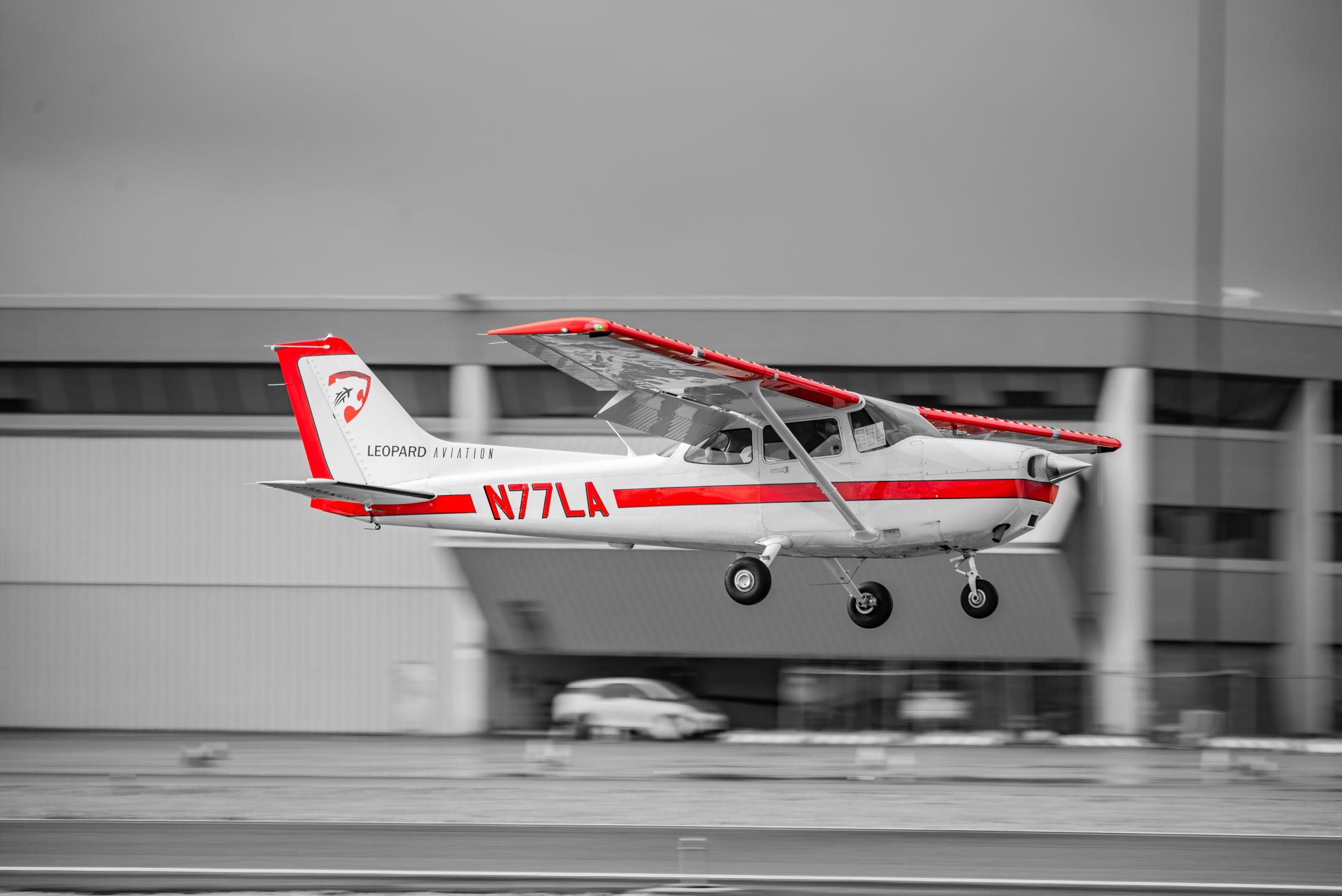
Your flight training experience matters—and at Leopard Aviation, we make sure you get the absolute best. You’ll earn your commercial certificate flying our fleet of Cessna 172S Skyhawks, all equipped with state-of-the-art Garmin G1000 glass cockpits, GFC700 autopilots, and ADS-B technology for maximum safety and situational awareness. We intentionally invested in these airplanes to give our students hands-on experience with the same avionics and systems found in today’s corporate, rental, and airline aircraft. From day one, you’ll be learning on equipment that truly prepares you for professional flying.
A Training Program Designed for Your Real-World Success
Leopard Aviation goes above and beyond the minimums. Our commercial pilot curriculum is built to give you an edge, with personalized instruction from passionate, highly experienced Certified Flight Instructors who know what today’s aviation employers want. You’ll get plenty of hands-on flight time, scenario-based lessons, and focused feedback to help you master advanced maneuvers, perfect your decision-making, and build the confidence you’ll need as a working pilot.
We don’t just train you to pass a checkride—we train you to thrive as a commercial pilot. Our instructors work alongside you to tailor your training to your goals, whether you’re aiming to build hours for the airlines, become a flight instructor, or explore a specialty like cargo or aerial work. With Leopard Aviation, your future stays as flexible as your ambitions.
Ready to Fly for a Living? Join the Leopard Aviation Family
From flying our state-of-the-art Cessna 172S Skyhawks to learning the technology that powers the industry, your training at Leopard Aviation sets you up for every step ahead. The commercial certificate unlocks a world of possibilities, from building hours as a flight instructor to working in exciting roles across the industry.
There’s no better time to launch your dream. Join the Leopard Aviation family and let’s start your journey together. Reach out today to begin your commercial pilot training.
FAQs
How many hours does an airline pilot work?
Airline pilots typically work between 75 and 100 flight hours per month, though total duty time is higher once you include briefings, preflight prep, delays, and post-flight tasks. Most pilots end up working about 15 to 18 days a month, with the rest of the time off. Schedules vary widely based on airline and seniority.
Do airline pilots work every day of the month?
Most airline pilots do not work daily. Many fly only about half the month, often in blocks of 3 to 4 day trips followed by several days off. This schedule can provide extended downtime compared to traditional jobs, which is one reason many pilots enjoy the lifestyle despite the longer duty days.
How long is a typical day for an airline pilot?
A pilot’s duty day can range from 8 to 14 hours depending on the schedule, number of flight legs, and time of day. Actual time in the air might be 5 to 9 hours, but the rest is spent preparing, coordinating with crew, and completing required tasks on the ground.
Can I start airline-focused flight training at Leopard Aviation?
Yes, we help students build strong foundations from private pilot training through commercial and beyond. If your goal is the airlines, we’ll guide you step by step with structured training, modern aircraft, and instructors who understand what it takes to reach ATP-level careers.
What kind of aircraft do you train in at Leopard Aviation?
We train in modern Cessna 172S aircraft equipped with Garmin G1000 glass cockpits. These advanced avionics give students valuable experience with the kind of technology used in professional aviation, helping you feel more comfortable as you progress toward commercial flying.