
How Long Does It Take to Get 1500 Flight Hours? A Guide for Aspiring Pilots
How long does it take to get 1500 flight hours? It’s one of the first questions aspiring airline pilots ask once they realize how central that number is to an aviation career. The answer depends on far more than simple math. Training pace, flying opportunities, consistency, and personal goals all play a role, and the path looks different for every pilot.
At Leopard Aviation, we work with students every day who are mapping out their journey from first flight to professional pilot. With Arizona’s year-round flying weather, modern aircraft, and experienced instructors, building hours becomes a steady, achievable process. If the airline cockpit is your goal, understanding how those hours add up is the next step worth exploring.
Understanding the 1,500-Hour Requirement for Pilots
If you’re aiming for a professional flying career, flight hours are part of the conversation early on. They represent experience, exposure, and confidence in the cockpit. While the total number can feel intimidating at first, most pilots build hours gradually through a clear and proven progression that combines training and real-world flying.
The journey is structured, but it is also flexible. Your pace depends on how often you fly, how consistent your training is, and which opportunities you pursue once you earn your initial certificates.
Starting With Foundational Training
Every pilot begins by learning the basics. Early training focuses on aircraft control, situational awareness, and decision-making. This phase builds habits that carry forward into every future hour you log.
During private pilot training, you learn to fly safely, navigate visually, communicate on the radio, and manage the aircraft under normal conditions. These early hours are about learning how to learn in the cockpit. Progress can vary depending on schedule and weather, but consistency helps skills develop faster and stick longer.
Instrument training comes next for many pilots, especially those pursuing professional goals. Flying by reference to instruments sharpens precision and teaches you how to manage workload in more demanding conditions. These hours often feel challenging at first, but they add depth to your experience and confidence.
Typical Certificate Milestones and Hour Requirements
This is where the structure becomes clearer. While no two pilots log hours the exact same way, most follow a similar framework as they move through certificates.
- Private Pilot License (PPL) typically requires about 40 to 70 flight hours
- Instrument Rating adds roughly 40 or more hours, depending on experience
- Commercial Pilot License (CPL) requires a total of 250 flight hours
- Certified Flight Instructor (CFI) certification follows the commercial level and opens the door to paid flying
These numbers represent minimums or averages. Many pilots log more time during training, especially if lessons are spaced far apart. Flying regularly helps reduce repetition and keeps progress steady.
After earning a commercial certificate, many pilots choose to become Certified Flight Instructors. This path allows you to get paid to fly while helping new students learn the same skills you once worked through. It’s one of the most reliable and accessible ways to build hours consistently.
Instructing sharpens your understanding of aviation. Teaching forces you to explain concepts clearly, anticipate mistakes, and stay ahead of the aircraft. Many airline pilots look back on instructing as one of the most valuable phases of their development.
That said, instructing is not the only option. It is simply the most common starting point for professional time building.
Other Common Ways Pilots Build Hours
Once pilots meet the qualifications, additional flying opportunities open up. These roles expose you to different environments, aircraft, and missions, which adds variety to your experience.
Pilots may fly ferry flights to reposition aircraft, tow banners along busy coastlines, patrol pipelines or power lines, or fly scenic tours. Some of these jobs are seasonal, while others depend on location and networking. Each hour logged contributes to skill growth and situational awareness.
What the Timeline Usually Looks Like
Most pilots reach 1,500 hours within two to four years. The wide range comes down to dedication, availability, and opportunity. Pilots who fly several times a week and instruct full time tend to reach the goal sooner. Those balancing training with other commitments may take longer, and that’s completely normal.
The key is momentum. Flying consistently, staying current, and seeking opportunities to fly more often makes a noticeable difference. Each phase builds on the last, and progress often accelerates once you begin flying professionally.
Avoiding Common Mistakes When Logging Hours
As you move through flight training and start thinking about long-term goals, flight hours quickly become a focal point. Your logbook is a legal document that reflects your experience and determines eligibility for ratings, certificates, and professional opportunities. Knowing what counts as flight time and what does not helps you log accurately and avoid problems later.
The FAA has clear definitions, but they are not always intuitive at first. Some activities that feel like flying time do not qualify, while others count only under specific conditions. Understanding these details early makes your training smoother and keeps expectations realistic as your hours add up.
What Qualifies as Loggable Flight Time
In general aviation under Part 91, flight time is typically logged from the moment the aircraft first moves under its own power for the purpose of flight until it comes to rest after landing and engine shutdown. This is often called block to block time.
To log flight time, you must be manipulating the controls, serving as a required crew member, or receiving instruction while the aircraft is operating. Time spent sitting in the aircraft with the engine off or during maintenance does not count. If you are a student, your instructor helps ensure time is logged correctly, especially during early training.
Your logbook includes several categories that track how you gain experience. Pilot in Command time is logged when you are legally responsible for the flight and qualified for the aircraft and operation. Dual received is logged when you are receiving instruction from an authorized instructor. Solo time is logged when you fly alone as a student pilot.
Cross-country time has specific distance requirements depending on the certificate or rating. Night time is logged based on FAA definitions, which differ slightly depending on purpose.
Night Time and Currency Rules
Night flying often causes confusion. For logging night time, the FAA defines night as the period between the end of evening civil twilight and the beginning of morning civil twilight. This is roughly thirty minutes after sunset to thirty minutes before sunrise, though exact times vary by date and location.
Night currency is different. To carry passengers at night under Part 91, you must complete three takeoffs and landings to a full stop during the period from one hour after sunset to one hour before sunrise within the previous ninety days. You can log night time outside the currency window, but it will not count toward maintaining night passenger currency.
Simulator Time and When It Counts
Simulator and training device time can be valuable for learning, but it does not always count toward total flight time. Aviation Training Devices, Flight Training Devices, and Full Flight Simulators may be credited toward specific training requirements, such as instrument training or proficiency checks.
For most pilot certificates, simulator time does not count toward total flight time requirements like the 1,500-hour threshold. The FAA allows limited credit in certain scenarios, but it is tightly regulated. Your instructor or training program will clarify how much simulator time can be logged and where it applies.
Time That Typically Does Not Count
Some activities feel aviation-related but do not qualify as loggable flight time. Time spent in simulators outside approved training credit does not count toward total time. Flying in non-certified aircraft such as ultralights generally does not apply toward most certificates, though glider time may count under specific conditions.
Non-operational time also does not count. This includes time when the aircraft is being towed, pushed, or otherwise not under its own power for flight. Sitting in an aircraft during a delay without movement does not add to your logbook. Ground instruction, briefings, and study time are essential to learning but are not flight hours.
Commercial Operations and Deadhead Time
In commercial aviation under Part 121 or 135, flight time rules are even more specific. Time spent deadheading, which means traveling as a passenger to or from an assignment, does not count as flight time. It also does not count as rest in most cases.
Another distinction appears between civilian and military logging methods. Civilian pilots usually log block to block time, while military pilots often log takeoff to landing time. This difference can result in varying total hours even when actual flying experience is similar.
Why Accurate Logging Matters
Accurate logbooks protect you. Airlines, insurers, and examiners rely on your records to verify experience. Logging time incorrectly can delay checkrides, job offers, or certifications. Developing good habits early ensures your logbook reflects your true experience without questions later. When in doubt, ask your instructor.
Leopard Aviation: Train With Purpose, Fly With Confidence
If you’re serious about learning to fly, the environment you train in matters. The right school, aircraft, and instructors can shape how confident you feel in the cockpit and how efficiently you progress. At Leopard Aviation, the focus is simple: help you train with purpose, stay consistent, and enjoy the journey while building real skills!
A Part 61 Program Built Around You
Leopard Aviation operates as a Part 61 flight school, which gives you flexibility without sacrificing structure. This training model allows lessons to be tailored to your pace, availability, and learning style. If you can fly more often, you can move faster. If life requires a lighter schedule, training adapts instead of stalling.
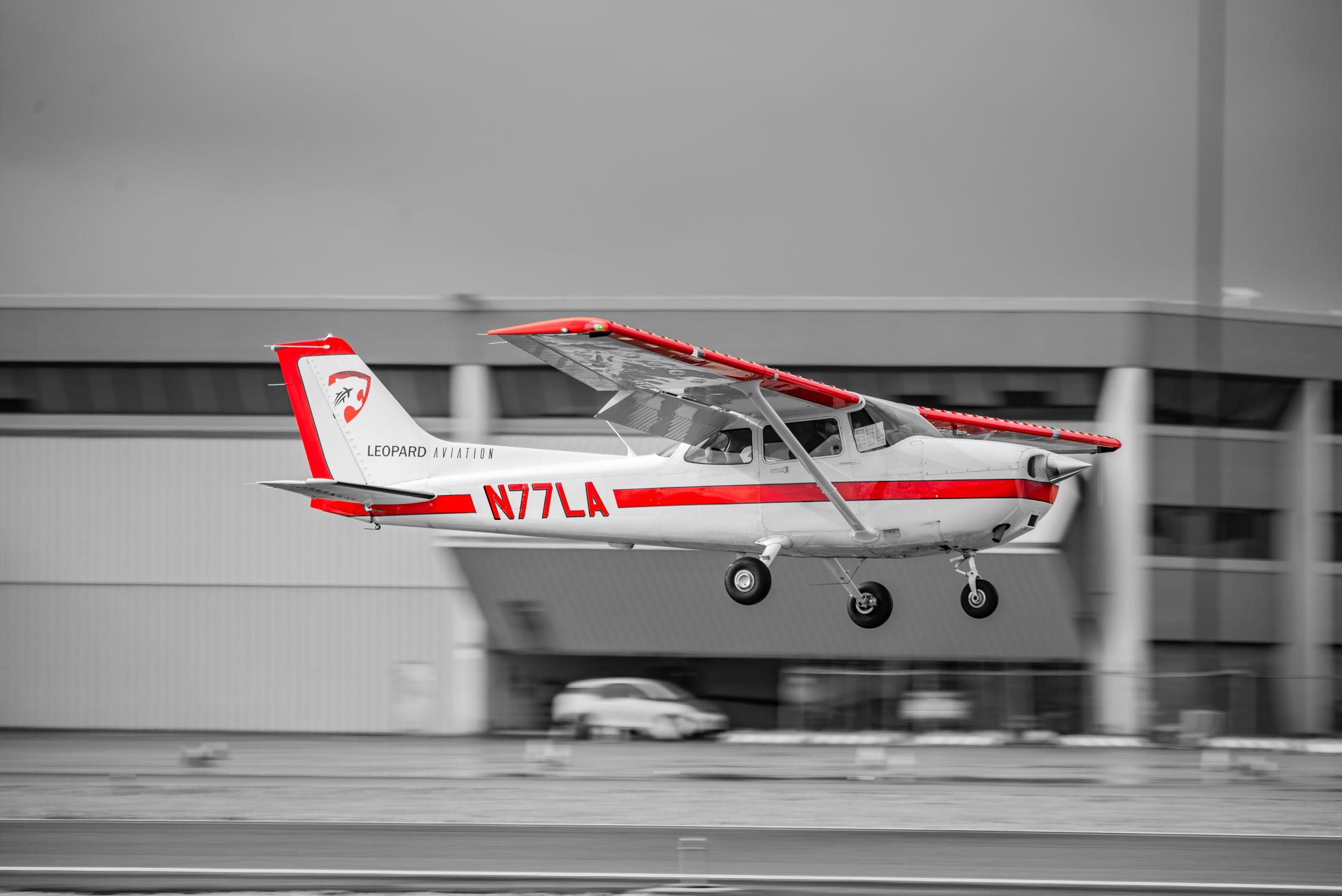
You train in modern Cessna 172S aircraft equipped with Garmin G1000 avionics. These aircraft offer a clean cockpit layout, strong safety record, and technology you are likely to see throughout your flying career
Instructors Who Care About Your Progress
Flight instructors set the tone for your entire training experience. At Leopard Aviation, our instructors are passionate about teaching and invested in your success. They focus on clear communication, strong fundamentals, and helping you understand how each lesson fits into your long-term goals.
Instructors take time to learn how you learn, adjust their approach, and give feedback that helps you improve without unnecessary pressure. That balance creates an environment where students feel supported while still being challenged to grow.
A Simple Way to Get Started
If you’re curious about flying and want to see what training actually feels like, a discovery flight is the best place to begin. You’ll fly with a certified instructor, take the controls, and experience what it’s like to be in a small aircraft. It’s relaxed, informative, and designed to answer the questions you can’t get from reading alone.
How to Keep Your Aviation Goals on Track
Building flight experience takes time, but how you approach the journey makes a real difference. Some pilots reach their goals steadily with fewer setbacks, while others struggle with delays that could have been avoided. The good news is that many of the factors that affect your progress are within your control.
Choosing the Right Environment From the Start
One of the biggest influences on training speed is where you choose to learn. A flight school located in an area with consistent weather allows you to fly more often and cancel fewer lessons. Frequent flying helps skills stick and reduces the need to repeat lessons after long breaks.
Modern aircraft also play a role. Reliable planes with up-to-date avionics spend more time flying and less time in maintenance. When aircraft availability is strong, your schedule stays intact and your progress stays steady. A well-run flight school removes friction from the process and lets you focus on learning.
Consistency Builds Momentum
Flying regularly is one of the most effective ways to move forward. Most students see strong progress when they fly three to five times per week. This frequency keeps procedures fresh and reduces relearning time at the start of each lesson. Long gaps between flights often slow progress and increase frustration. You spend more time reviewing instead of advancing. If your schedule allows, consistent flying is one of the simplest ways to make training smoother and more enjoyable.
Moving Into Instructing Early
For pilots pursuing professional goals, becoming a flight instructor soon after earning a commercial certificate is a common and effective step. Instructing provides steady access to aircraft and regular flying opportunities.
Teaching also reinforces your own skills. Explaining maneuvers, regulations, and decision-making helps sharpen your understanding and confidence. Many pilots find that their growth accelerates once they begin instructing because flying becomes part of their daily routine.
Habits That Keep You on Track
This is where attention to detail and initiative really matter.
- Keeping your logbook accurate and up to date
- Reviewing hours regularly to ensure categories are logged correctly
- Tracking night, cross-country, and PIC time carefully
- Asking instructors questions when logging rules feel unclear
- Staying organized as your total time grows
Good record keeping saves stress later and keeps your progress transparent.
Using Connections to Expand Opportunities
Networking plays a quiet but important role in building hours. Talking with instructors, other pilots, and airport staff often leads to opportunities you would not find on a job board. Ferry flights, banner towing, survey work, or seasonal flying can come through simple conversations.
Being reliable, professional, and enthusiastic makes people remember you. When someone needs a pilot, they often call the person who showed up prepared and easy to work with. Over time, these connections can add meaningful hours and experience to your logbook.
Progress With Purpose
A faster, smoother journey is not about rushing. It’s about staying consistent, making smart choices, and surrounding yourself with the right environment. When you focus on steady improvement and good habits, the hours add up naturally. With the right approach, flight training becomes something you move through with confidence rather than something you push through with frustration.
Flight Training Built Around Your Goals
Training efficiently comes down to the right combination of location, aircraft, instructors, and consistency. Flying in Arizona means more days in the air, modern aircraft keep training focused and reliable, and flexible scheduling allows you to progress at a pace that works for your life. When those pieces come together, flight training feels purposeful and achievable.
If flying has been on your mind, now is the time to act. Schedule your discovery flight today and experience what focused, enjoyable flight training should feel like!
FAQs
How long does it take to get 1500 flight hours for most aspiring airline pilots?
The timeline varies, but many pilots reach 1,500 hours in about two to four years. Your pace depends on how often you fly, how quickly you move through training, and how you build time afterward. Pilots who fly several times a week and begin instructing early often progress on the faster end of that range.
What’s the fastest legal way to build flight hours after training?
Becoming a flight instructor is the most common and reliable path. It provides frequent flying and reinforces your own skills. Other options include banner towing, ferry flights, and survey work, though these often come later and depend on location and networking opportunities.
What can slow down the process of building flight hours?
Inconsistent scheduling, long gaps between flights, poor weather, and limited aircraft availability can all slow progress. Flying infrequently often leads to relearning skills instead of advancing. Staying organized, flying regularly, and choosing the right training environment helps avoid unnecessary delays.
Can Leopard Aviation help me build flight hours efficiently?
Yes. Training in Arizona allows for more consistent flying, which helps you log hours steadily. With modern aircraft and flexible scheduling, students can maintain momentum through training and time building. That consistency makes it easier to progress without long gaps that slow skill development.
Is a discovery flight at Leopard Aviation a good first step toward a flying career?
Absolutely. A discovery flight lets you experience the cockpit, fly with an instructor, and see what training feels like before committing. It’s a relaxed, informative way to decide if aviation fits your goals and to ask questions about timelines, training structure, and next steps.