
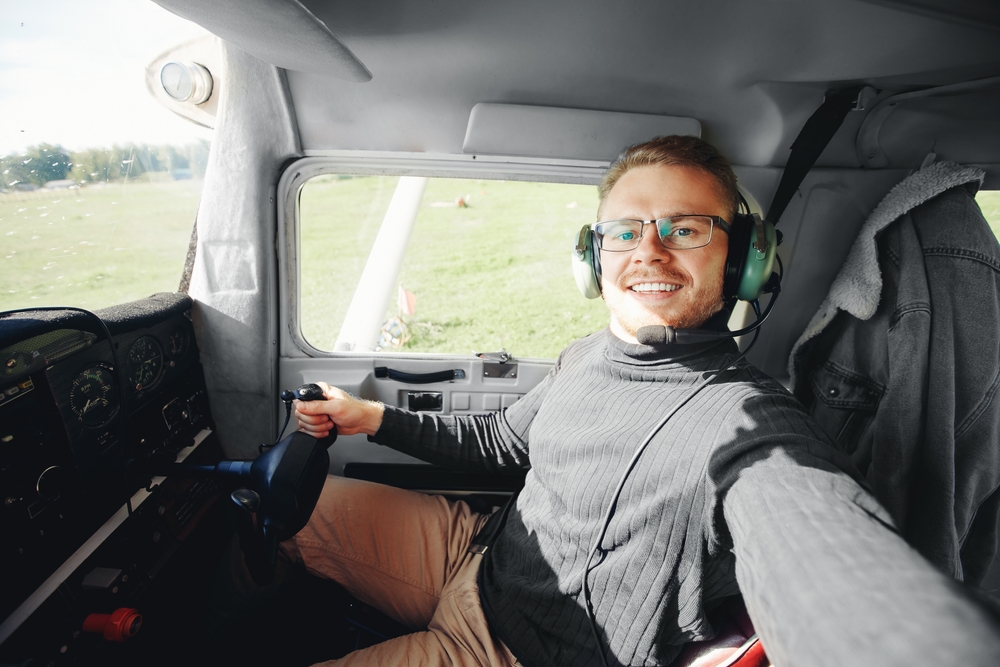
Can Pilots Wear Glasses? FAA Vision Standards Explained
Ever dreamed of flying through Arizona’s endless blue skies but wondered, “Can a pilot wear glasses?” You’re definitely not alone. It’s one of the most common questions future aviators ask—and the good news is, having less-than-perfect vision doesn’t mean your cockpit dreams are grounded. In fact, many licensed pilots wear corrective lenses every day.
Can a Pilot Wear Glasses? Here’s What the FAA Says
A lot of people assume that a pilot’s eyesight needs to be naturally perfect. It’s a fair assumption, after all, you’re flying thousands of feet above the ground, navigating complex airspace, and keeping an eye on detailed flight instruments. But the truth is, what matters to the FAA isn’t whether your vision is naturally 20/20. It’s whether your vision can be corrected to meet their standards.
Let’s clear up the misconception: yes, you absolutely can wear glasses or contacts and still fly. Here at Leopard Aviation, we’ve trained students with all kinds of vision correction needs, many of whom now fly professionally. From private pilot license holders to airline captains, many active pilots rely on corrective lenses daily. It’s not a dealbreaker, not even close.
When you go for your FAA medical exam, your eye doctor or aviation medical examiner (AME) checks to ensure your vision meets specific requirements with or without correction. So even if your uncorrected vision is a little blurry, as long as your glasses or contacts bring you up to FAA standards, you’re good to go. And those standards are very specific depending on the level of medical certificate you’re pursuing, which we’ll cover in detail shortly.
Corrective Lenses Are Allowed—and Very Common
The FAA recognizes that vision naturally changes with age, and even young pilots might have congenital or developed refractive errors. It’s nothing unusual. Whether you’re nearsighted, farsighted, or need reading glasses, what matters is that you can see clearly and meet FAA standards while performing flight duties.
For nearsighted pilots, you’ll likely need to wear your glasses or contact lenses during all flight operations. This means keeping them on while flying, taxiing, and performing pre-flight inspections. The regulation here is very clear: your vision must be corrected to 20/20 in each eye when operating an aircraft.
If you’re farsighted or experience presbyopia (the age-related decline in near vision), you’re not necessarily required to wear your glasses at all times during flight. However, you do need to have them available in the cockpit. Many pilots in this category opt for bifocals, progressive lenses, or half-moon reading glasses that allow for quick adjustment between instruments and the outside world.
It’s also worth noting that many airline pilots are well over 40, and vision changes over time are completely expected. The industry accommodates this. Aviation is filled with professionals who have adapted to these changes through the use of corrective lenses.
So, yes, pilots wear glasses. Many of them. And they fly safely, confidently, and professionally every day.
How Common Vision Conditions Are Handled in Aviation
The FAA has detailed processes for handling a wide variety of vision conditions, ensuring that safety and clarity remain priorities. If you’ve been diagnosed with myopia, presbyopia, astigmatism, cataracts, or glaucoma, understanding how each is managed will help you prepare for your flight medical, and your flying career.
Nearsightedness (Myopia): Keeping Distant Objects Crystal Clear
Nearsightedness, or myopia, is a familiar condition for many aspiring pilots. If you have trouble seeing objects far away but read up close with ease, you’re not alone. For pilots, the main concern is being able to see runways, terrain, other aircraft, and critical cockpit displays without blurring.
When it comes to myopia, the FAA’s position is straightforward: you must wear corrective lenses that bring your vision to 20/20 or better in each eye while flying. Glasses and contact lenses are both fully acceptable, as long as your corrected vision meets the standard.
Before each FAA medical, expect your distant vision to be tested one eye at a time. If you normally use glasses or contacts for driving or daily life, plan to wear them for this test. The examiner will check that your vision with correction is at least 20/20 for first and second-class medicals, and at least 20/40 for third-class certification. This ensures you’ll have the clarity needed for every stage of flight, from pre-takeoff checks to spotting traffic in the pattern.
One tip for nearsighted pilots: bring a spare pair of glasses or contacts in your flight bag. While the FAA does not specifically require a backup, it’s a smart habit that many professionals adopt. In case a lens is lost or damaged, you’ll have a safety net ready.
Farsightedness and Presbyopia: Meeting the Near Vision Challenge
Farsightedness, or hyperopia, and presbyopia (an age-related loss of near vision) are both common concerns, especially as pilots get older. The cockpit is full of close-up instruments and checklists, and clear near vision is crucial for safe operation.
FAA rules require that pilots with farsightedness or presbyopia have appropriate corrective lenses available while on duty. Unlike myopia, you are not necessarily required to wear these lenses full-time during flight. Instead, you need to keep them handy for reading charts, operating radios, and managing cockpit systems.
For most, reading glasses, bifocals, or progressive lenses are the go-to solutions. Pilots often find that bifocals or progressive lenses allow them to smoothly transition between glancing outside and reading up-close dials or tablets.
Presbyopia naturally develops with age, typically starting in your early-to-mid forties. Nearly every pilot will encounter it eventually, and the aviation world has adapted with a variety of correction options. FAA examiners will test your near vision at 16 inches and, for those aged 50 or older, intermediate vision at 32 inches. The required standard is 20/40 or better in each eye.
When you notice yourself holding checklists farther away or squinting at your flight computer, that’s your cue to get your eyes checked. Modern lenses are lightweight and designed for comfort—even in the cockpit. Staying proactive about your vision ensures a smooth transition as your eyes change over time.
Astigmatism: Correcting Irregular Vision for Safe Flying
Astigmatism is a condition where the eye’s cornea or lens is shaped irregularly, causing blurred or distorted vision at various distances. Many pilots learn they have astigmatism during routine eye exams, and wonder how it might affect their ability to fly.
The solution is straightforward: astigmatism can be corrected with prescription glasses or special toric contact lenses. Toric lenses are specifically designed to compensate for the irregular curvature of the cornea, allowing for sharp, consistent focus.
As with nearsightedness and farsightedness, the FAA focuses on whether your corrected vision meets their standards. During your flight physical, you’ll be asked to demonstrate 20/20 distant vision for first and second-class certificates, and 20/40 for third-class. If your correction brings you to that benchmark, you’re cleared for takeoff.
Some pilots with astigmatism prefer glasses, while others find toric contacts more comfortable under a headset. There’s no right or wrong, just what keeps your vision crisp and comfortable in flight. If your prescription changes, update your eyewear promptly to maintain compliance and safety.
With today’s optical technology, astigmatism is rarely an obstacle for pilots. Regular eye exams and updated prescriptions will keep you in top visual shape throughout your flying career.
Cataracts: Flying After Surgery and Vision Restoration
Cataracts, a clouding of the eye’s lens, are most often associated with aging, but can also be caused by injury or medical conditions. Pilots who develop cataracts may notice fading colors, glare, or blurry vision, all of which can make safe flying more challenging.
The FAA does not automatically disqualify pilots with cataracts. If vision is impacted to the point that it can’t be corrected to the required standard, cataract surgery is often recommended. After a successful procedure—usually involving the implantation of an artificial lens—many pilots regain clear vision and can continue flying.
Following cataract surgery, the FAA generally expects a period of stable, restored vision before re-certification. Post-surgical glasses or contact lenses may be necessary to fine-tune vision to meet the required acuity.
Regular follow-up with your eye doctor is essential, and documentation of your vision status will need to be provided during your FAA medical exam. Most pilots who undergo cataract surgery return to flying with minimal interruption, provided their vision is restored to required standards.
Glaucoma: Flying with Managed Eye Pressure
Glaucoma involves increased pressure within the eye, potentially leading to optic nerve damage if not controlled. For pilots, this diagnosis might seem intimidating, but FAA guidelines focus on ongoing management and visual performance.
Certification is possible as long as intraocular pressure is controlled and vision meets FAA standards. This means regular use of prescribed eye drops or other medications, as well as periodic check-ups with an ophthalmologist.
Once treatment for glaucoma begins, the FAA requires the pilot’s eye doctor to submit detailed evaluations using FAA form 8500-14. This report should outline the stability of intraocular pressure, the condition of the optic nerve, and the pilot’s visual acuity and field of vision. The process is transparent and designed to ensure pilots continue flying safely.
Ongoing certification usually requires regular follow-up reports at each medical renewal. The FAA is primarily concerned with two things: that your vision meets acuity standards, and that you have no significant visual field loss. When managed well, many pilots continue their careers without interruption.
What If You’ve Had Eye Surgery? (LASIK, PRK, etc.)
Many pilots and aspiring aviators consider laser eye surgery, such as LASIK or PRK, to correct their vision. These procedures can significantly improve eyesight, sometimes even eliminating the need for glasses or contacts. For those dreaming of a flying career, it’s natural to wonder how eye surgery impacts your FAA medical eligibility and what steps you’ll need to take before getting back in the cockpit.
What to Do if You Have Concerns About Your Eyesight
Worrying about your eyesight is common, especially if you’re considering flight training or already working toward a pilot’s license. The good news is that there are proven steps you can take to address vision concerns, understand FAA requirements, and keep your flying goals in clear view. It’s all about being proactive, getting answers early, and building a strong foundation for your aviation journey.
The Importance of Acting Early with Vision Concerns
If you notice changes in your eyesight or have questions about your vision health, it’s important to take action sooner rather than later. Don’t wait until you’re deep into flight training or on the eve of your checkride, getting clarity about your vision status right away will save you time, money, and potential disappointment down the line.
Pilots depend on crisp, reliable eyesight for everything from pre-flight checks to spotting traffic and reading flight instruments. The FAA’s medical requirements are designed to ensure you can perform safely and effectively in all phases of flight. Addressing vision concerns at the very start of your aviation journey is one of the smartest steps you can take.
Whether you wear glasses, have a family history of eye disease, or just want to make sure you’re eligible to fly, don’t hesitate to start the conversation about your eyes as soon as you begin thinking about becoming a pilot.
Start by Scheduling a Visit with an Aviation Medical Examiner
The best first move is to schedule an appointment with an Aviation Medical Examiner (AME). These are doctors authorized by the FAA to conduct flight physicals and issue medical certificates. Even if you haven’t logged a minute of flight time yet, your AME can help you understand your current vision status and what, if anything, you’ll need to do to meet the FAA’s medical standards.
During your exam, the AME will:
- Check your visual acuity with and without correction.
- Review your eye health history and any previous diagnoses.
- Test for common conditions like myopia, presbyopia, astigmatism, cataracts, or glaucoma.
- Provide guidance if additional evaluations, tests, or specialist visits are needed.
If you’re dealing with a specific diagnosis, such as cataracts or glaucoma, your AME will want to see supporting documentation from your eye specialist. They may ask for recent vision test results, surgical reports, or ongoing treatment records to ensure your condition is managed safely for flight.
Discussing Your Options and Understanding FAA Processes
If your AME finds an issue with your vision, don’t panic. There are usually several paths forward. Many conditions that affect eyesight are manageable, and the FAA provides avenues for certification through “special issuance” or monitoring programs.
For example, if you have stable glaucoma with controlled intraocular pressure, or if you’ve had successful cataract surgery with restored vision, you might still qualify for a medical certificate. The FAA looks for documentation that your vision is stable, that any necessary treatment is effective, and that you meet all visual acuity standards.
Your AME can help you navigate the paperwork and explain what’s required. Some conditions may mean you need periodic follow-ups, ongoing reports from your ophthalmologist, or an updated vision assessment before each renewal. Knowing what to expect, and planning for it, can take a lot of stress out of the process.
For those with refractive errors (like nearsightedness, farsightedness, or astigmatism), your AME will simply want to confirm that your corrected vision meets the appropriate standard for your medical class. Most pilots with these conditions pass their medicals without trouble by using up-to-date glasses or contacts.
Pro Tips for Managing Vision Concerns as a Pilot
A little preparation can go a long way when it comes to navigating the FAA’s vision standards. Consider these actionable strategies as you get ready for your medical exam or manage ongoing eye health:
- Schedule your FAA medical exam before starting flight training. This saves time and money, especially if you discover an issue that needs treatment or additional evaluation.
- Keep a copy of your latest eye exam. Bring your prescription and any vision-related reports to your AME, especially if you wear glasses or contacts.
- Discuss family history and personal concerns. Be honest with your AME about any family or personal history of eye disease, surgeries, or previous vision problems.
- Ask questions about special issuance. If you already know about an eye condition, find out what paperwork you’ll need and what follow-up is required.
- Stay on top of eye health. Schedule annual exams with your optometrist or ophthalmologist, even if you feel your vision is stable.
- Update your prescription promptly. Keeping your corrective lenses up to date ensures you’ll always meet FAA standards during your medical exams.
- Consider a backup pair of glasses. Having a spare on hand is a great habit for any pilot, especially those who rely on corrective lenses.
- Monitor your vision for changes. If you notice sudden blurriness, double vision, or other symptoms, reach out to your eye care provider and AME right away.
- Document your treatments and procedures. Keep copies of reports from surgeries, new prescriptions, or treatments so you can provide them during future medical exams.
A proactive approach to vision health can set you up for long-term success in aviation. Starting early, staying informed, and maintaining regular check-ins with your AME and eye care professionals can keep your dreams of flight on track. Most vision issues are manageable and well understood within the FAA medical certification process.
Experience Flight Training the Leopard Aviation Way: Fun, Flexible, Focused
There’s nothing quite like your first takeoff over the Arizona landscape. At Leopard Aviation, we guide aspiring pilots from their first lesson through every certificate and rating they want to earn. We believe that flight training should be as approachable and enjoyable as it is professional, and we’ve built our entire school around that mission.
Personalized, Flexible Flight Training in Arizona
One of the advantages of training with Leopard Aviation is our flexibility. We’re a Part 61 flight school, which means you get to train at your own pace. No matter your current schedule, job, or family commitments, your lessons are built around you. Some students fly several times a week, while others might fit in a lesson or two around busy careers or travel. This freedom to learn on your own timeline makes flight training less stressful and a lot more accessible!
We also believe that everyone learns differently, and a one-size-fits-all approach rarely brings out a student’s best. That’s why we take the time to pair each student with the right Certified Flight Instructor (CFI). Your instructor will help you build confidence, master the skills, and progress in a way that feels both challenging and supportive. As you move through each lesson, you’ll always have someone who understands how you learn best, helping you turn every challenge into a stepping stone.
Modern Aircraft for Modern Pilots
At Leopard Aviation, our fleet centers on the Cessna 172S, outfitted with Garmin G1000 glass cockpits. These are modern, intuitive, and packed with technology you’ll find in advanced aircraft down the road. The G1000 displays provide incredible situational awareness and make visual learning easier for students who are new to aviation.
Discovery Flights: Your First Step Into the Sky
Not sure if flying is right for you? That’s where our Discovery Flight comes in. It’s an hour of real, hands-on flying alongside a Certified Flight Instructor. You’ll be at the controls, experiencing what it’s like to actually fly an airplane. It’s a low-pressure, high-fun way to see if aviation sparks your passion.
You don’t need any experience for a Discovery Flight, and there’s no obligation to continue. Most people finish their first flight with a huge smile and a new sense of what’s possible. For many, that first hour is what seals their love for aviation and gives them the confidence to take the next step.
Ready to Fly? Let’s Get You Started
Whether you wear glasses, have questions about vision standards, or are just starting to dream about life in the cockpit, you’re closer to your aviation goals than you might think. The FAA’s vision requirements are designed for safety and accessibility, making the skies open to more aspiring pilots than ever before. With modern eye care, supportive instructors, and flexible training options, you can confidently chart your path forward.
Now is the perfect moment to take the leap. Reach out and schedule your Discovery Flight or your first lesson.
FAQs
Can a pilot wear glasses?
Absolutely. The FAA allows pilots to fly while wearing glasses or contact lenses, as long as your vision is corrected to meet the required standards. Many professional pilots use corrective lenses every day. If your vision changes over time, just keep your prescription updated and bring your eyewear to every flight and medical exam.
What are the FAA’s vision standards for private pilots?
Private pilots need to have at least 20/40 vision in each eye, either naturally or with correction. Near and distant vision are both checked, but there is no intermediate vision requirement. If you meet these standards with glasses or contacts, you’re cleared to fly.
What if I develop an eye condition like cataracts or glaucoma?
If you’re diagnosed with cataracts or glaucoma, you may still be able to fly. The FAA allows certification as long as your condition is stable, your vision is corrected to the required standard, and you provide the proper medical documentation. Regular follow-up with your doctor and the FAA keeps your certification active.
Does Leopard Avation provide flight training for students with glasses or contacts?
Absolutely, we welcome students who wear glasses or contacts. Our instructors understand FAA requirements and will help you integrate corrective eyewear comfortably into your training. Your vision won’t hold you back from enjoying flight lessons or earning your certificate.
How do you match students with flight instructors at Leopard Aviation?
We believe learning works best when you’re paired with the right instructor. We get to know your learning style, goals, and preferences, then connect you with a CFI who’s a great fit. This personalized approach helps you feel confident and supported every step of the way.