
10 Benefits of Pilot Training (Even If You Never Fly Commercially)
The benefits of becoming a pilot go far beyond just flying for the airlines. Even if you never pursue a full-time aviation career, pilot training can sharpen your skills, change your perspective, and open up opportunities you may not have expected.
Whether you’re flying for fun, personal travel, or just the challenge of learning something new, the rewards are real and lasting. From confidence to community, there’s a lot waiting in the cockpit, and it starts the moment you take control of the yoke.
Why People Train to Fly—Even If They Don’t Want a Pilot Job
Not everyone who signs up for flight training wants to become a professional pilot and that’s perfectly normal. Many people train just for the experience, the personal challenge, or the freedom that flying offers.
Who’s Learning to Fly for Non-Career Reasons?
Here are just a few types of students who take to the skies for personal fulfillment:
- Recreational pilots who enjoy flying on weekends or taking short trips
- Entrepreneurs and small business owners who want to travel on their schedule
- Retirees finally crossing flying off their bucket list
- Engineers and tech workers who love systems, precision, and mastering new tools
- Adventurers who want access to remote areas, national parks, or scenic flying
- Parents or partners who want to share flights with loved ones
Each of these pilots has a different reason, but the reward is the same: freedom, focus, and joy in flight.
A Different Kind of Milestone
For many non-career pilots, earning a license is a personal achievement. It’s a way to challenge yourself, grow your confidence, and do something few others have done. Flying sharpens your mind and gives you a new way to see the world.
The goal isn’t always the airlines. Sometimes, it’s just to fly a plane on a clear morning and feel what it’s like to command your own adventure. And that’s a perfectly great reason to get started.
Yes, You Can Learn to Fly Without Going Pro
A lot of people think flight training only makes sense if you’re aiming to become a commercial pilot—but that’s not the case. Many students train simply to fly for personal reasons, whether for travel, adventure, or the joy of learning a new skill.
If you’re looking to fly for yourself, you can absolutely do that. And the training path is flexible, straightforward, and fully tailored to your goals.
What Training Looks Like for Non-Career Pilots
The process usually starts with earning your Private Pilot License (PPL). This license allows you to fly solo or with passengers, for personal use only, during daytime and good weather conditions (known as VFR—Visual Flight Rules).
You can stop there if you’d like, or keep going by adding:
- Instrument Rating for flying in low visibility
- Night flying experience
- High-performance endorsements for more powerful aircraft
- Mountain or backcountry training, depending on your interests
None of this has to lead to a commercial license. It’s all about building the flying experience you want.
Time Commitment and Flexibility
Most people earn their PPL in 60–75 flight hours over the course of a few months. If you train part-time, it may take longer but that’s completely normal. Many personal pilots train around their work or family schedules, flying a few times per week or on weekends.
The pace is up to you. As long as you’re consistent, you’ll keep making progress and enjoying the process.
Train With Leopard Aviation
At Leopard Aviation, helping people learn to fly is more than just our job—it’s what we love to do. Whether you’re training for a professional career or simply chasing a lifelong dream, we’re here to make the experience unforgettable, rewarding, and built around you.
We’re a family-owned flight school with locations in Scottsdale and Mesa, Arizona, two of the best places in the country to fly thanks to clear skies and ideal weather year-round. Our mission is simple: to produce confident, well-trained pilots while creating a supportive and enjoyable environment along the way.
You’ll train in our fleet of Cessna 172S Skyhawks, equipped with Garmin G1000 glass cockpits—a modern, reliable platform that gives you real-world experience and top-tier situational awareness from day one. Our certified instructors are passionate, professional, and committed to helping you succeed at your own pace.
Whether you’re looking to fly for fun, business, or your future, we’d love to be part of your journey.
Book your first lesson here or call/text us at 1.833.FLY.KSDL. We’ll help you take the first step—and make sure it’s one you’ll never forget.
10 Surprising Ways Pilot Training Pays Off Personally
Learning to fly changes you, even if you never plan to make a career out of it. The benefits of becoming a pilot go far beyond the excitement of being in the air. Flight training builds real-world skills, sharpens your focus, and connects you with a community and lifestyle you may not have known existed.
Whether you’re flying for fun, freedom, or personal challenge, here are 10 ways pilot training can benefit your life in meaningful and lasting ways.
1. Confidence That Translates to Every Area of Life
Flying a plane teaches you how to make quick, informed decisions while in control of something powerful and complex. That kind of confidence shows up everywhere—from work to relationships to daily life. You’ll feel it the first time you take off solo.
2. Mental Clarity and Focus
When you’re flying, your mind can’t wander. It has to stay sharp, calm, and present. This kind of focus is a healthy challenge that improves over time, helping you stay composed and alert under pressure inside and outside the cockpit.
3. Problem-Solving and Situational Awareness
Pilots are trained to think ahead, manage resources, and stay calm when plans change. These skills stick with you. Whether you’re navigating a business challenge, managing a household, or simply staying composed in unexpected situations, this kind of thinking becomes second nature.
4. A Deep Sense of Freedom and Independence
When you can fly yourself anywhere, your sense of possibility expands. You’re not waiting on anyone else’s schedule. Want to head to the mountains, the coast, or just a scenic route around the valley? You decide—and you make it happen.
5. Access to Remote Places (And Avoiding Commercial Travel)
Flying opens up parts of the map most people never see. You can land near lakes, national parks, and remote towns, places that are difficult or impossible to reach by car or airline. No lines, no waiting, just you and the view from 6,000 feet.
6. New Social Circles and Aviation Community
The aviation world is filled with people from all backgrounds. You’ll meet other pilots at your home airport, in hangars, or at fly-in events to meet people who love flying as much as you do and are always happy to swap stories, share tips, or just hang out post-flight.
7. Professional Credibility and Personal Branding
Being a licensed pilot says a lot about you. It shows discipline, attention to detail, and the ability to handle responsibility. Whether you’re in business, sales, tech, or leadership, it adds to your credibility and makes you memorable.
8. Travel Made Easy (And Fun Again)
Once you’re licensed, you can skip security lines and road traffic and head straight to your plane. You can fly to lunch in another city, discover small towns, or turn a boring weekend into a mini adventure. It changes how you think about time and travel.
9. Personal Growth Through Mastery
Flight training is structured and measurable. You’ll set goals, overcome challenges, and feel yourself improving in ways that are clear and satisfying. That kind of progress is rare in adult life and it’s one of the most fulfilling parts of learning to fly.
10. Lifelong Passion and a New Perspective on the World
Flying gives you a new way to see the world, literally and emotionally. You start looking at the sky differently. You notice weather, space, movement. And for many pilots, the sense of joy never fades. It becomes something they carry for life.
What to Expect from Your First Few Lessons
The idea of learning to fly is exciting but it can also feel intimidating if you don’t know what to expect. The truth is, your first lessons are designed to ease you in gently, with plenty of support, structure, and encouragement along the way.
You won’t be thrown into the deep end. You’ll build skill one step at a time, and your instructor will guide you through every part of it.
The Ground Comes First
Your first lessons start with getting to know the airplane on the ground. You’ll walk through preflight checklists, learn about aircraft controls, and start understanding how radios and instruments work. This is where you begin to connect with the aircraft before ever taking off.
Your instructor will also cover safety procedures, introduce basic aviation terms, and explain what each part of the upcoming flight will include. There’s no pressure to memorize everything. It’s all about laying a strong foundation.
Your First Time in the Air
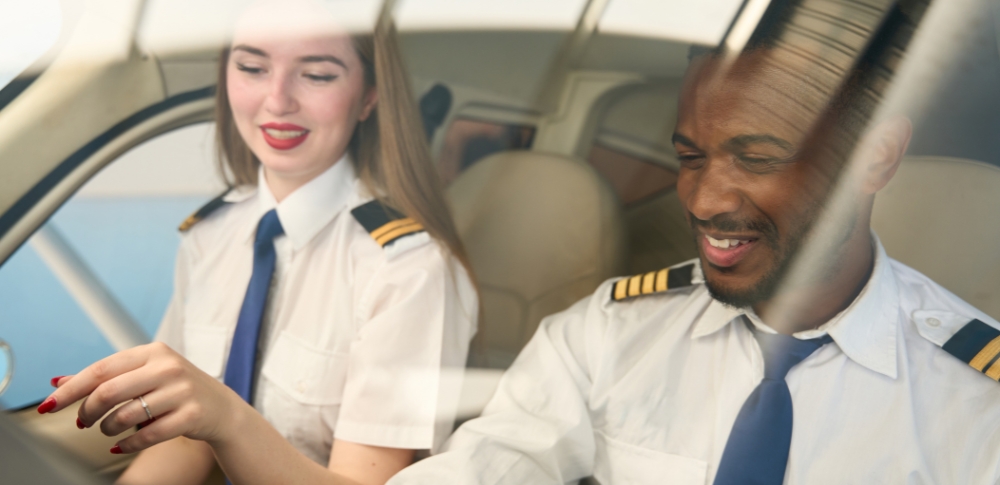
When you do take off for the first time, it will be on a dual instruction flight—you and your instructor, side by side. You’ll be hands-on almost immediately, learning how to turn, climb, descend, and keep the aircraft stable.
Here’s what early lessons often include:
- Basic aircraft handling (turns, straight and level flight)
- Radio communication tips
- How to “follow through” on the controls while your instructor flies
- Intro to traffic patterns and airspace awareness
You’ll never be expected to do more than you’re ready for. The pace is steady, and every flight builds on the last.
Discovery Flights Make It Easy to Start
A discovery flight is a great way to experience flying before committing to a full training program. It’s low-pressure, exciting, and designed to give you a feel for the controls while your instructor handles everything else. Most students say it’s the moment they realize flying is doable and fun.
Learning Is a Process, Not a Test
You’re not expected to be a natural. No one is. Flight training is a skill-building process, not a performance. You’ll make mistakes, learn from them, and get better with time. Your instructor’s job is to teach, guide, and support you, not to judge.
By the end of your first few lessons, you’ll have a better sense of how things work, where you’re headed, and just how possible this dream really is.
Thinking About Flying for Fun? Here’s Why People Choose Us
Not everyone walks into a flight school wanting a full-blown career in aviation and that’s completely okay. At Leopard Aviation, we welcome students who want to fly for fun, for freedom, for the thrill of it, or just to see what it’s like.
We’ve built an environment that’s supportive, experienced, and down-to-earth. Whether you’re a total beginner or picking up where you left off years ago, we’ll help you feel at home in the cockpit.
Why Leopard Aviation is Great for Recreational Flyers
We’re a Part 61 flight school, which means we tailor each training program to fit your goals, schedule, and pace. If you’re here to explore flying without the pressure of a fast-track program, you’ll feel right at home.
You’ll train with experienced, enthusiastic instructors, some who have flown for airlines or in corporate jets, and others who’ve dedicated their careers to teaching students of all levels. What they all have in common is a genuine love for flying and a passion for helping others experience it.
Here’s what sets us apart:
- Supportive, friendly instructors who explain things clearly and meet you where you are
- Students of all ages—from high schoolers to retirees
- Flexible scheduling for busy lives
- Modern training aircraft like the Cessna 172S with G1000 avionics and advanced safety systems
We Keep It Fun, Safe, and Flexible
At Leopard Aviation, we believe learning to fly should be exciting, not overwhelming. Our aircraft are new, clean, and equipped with the latest technology, so you can focus on flying with confidence. We fly out of Scottsdale and Mesa, giving you access to some of the best year-round flying weather in the country.
You won’t find a one-size-fits-all approach here. We’ll build a path that makes sense for you—whether that’s flying once a week or more regularly.
Try It Before You Commit
If you’re curious but not ready to dive all the way in, a discovery flight is the perfect place to start. It’s a relaxed, no-pressure introduction where you’ll sit in the left seat, take the controls with guidance, and get a feel for what learning to fly is really like.
The Sky Is Waiting—Are You Ready?
The benefits of becoming a pilot reach far beyond licenses and logbooks. Flying builds confidence, focus, problem-solving, and a sense of independence that stays with you for life. Whether you dream of flying professionally or simply want to experience freedom in the sky, training gives you skills, discipline, and unforgettable moments.
If you’ve ever wondered what it feels like to fly, there’s no better time to find out. Call or text us at 1.833.FLY.KSDL, or click here to get started. Let’s make your flying dream real—one takeoff at a time.
FAQs
What are the personal benefits of becoming a pilot even if I don’t want to fly commercially?
Learning to fly builds real confidence, sharpens focus, improves decision-making, and gives you a sense of independence that’s hard to match. It also connects you with an amazing community and gives you a brand-new way to explore the world around you, on your terms.
Do I need to be good at math or science to learn to fly?
Not at all. While basic understanding helps, you don’t need to be a math whiz. Most concepts are taught in simple, real-world ways. You’ll learn as you go, and your instructor will make sure it all makes sense at your pace.
Is flying safe for beginners?
Yes. Safety is built into every part of pilot training. You’ll always fly with a certified instructor in the early phases, and you’ll never do anything alone until you’re ready and signed off to do so. The training environment is structured, supportive, and safety-focused.
Can I fly my friends or family after getting my license?
Yes! Once you’ve earned your Private Pilot License, you can bring passengers with you on non-commercial flights. It’s one of the most rewarding moments: sharing your passion for flying with the people you care about most.
How do discovery flights work at Leopard Aviation?
A discovery flight is a low-commitment, hands-on intro to flying. You’ll go up with an instructor, take the controls, and get a real feel for what training would be like. It’s the perfect first step if you’re curious but unsure.