
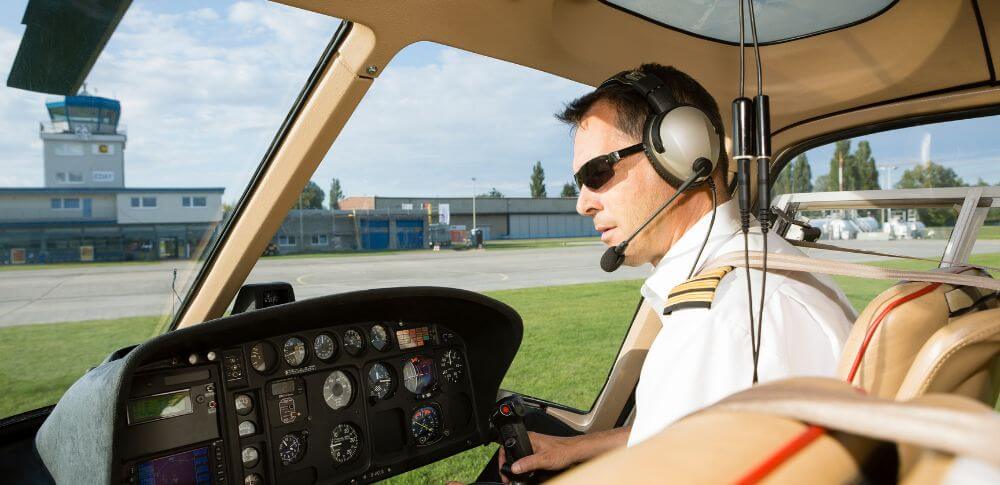
Instrument Flight Training: A Quick Overview of What’s Covered
Instrument flight training changes the way pilots see the sky. It opens the door to flying with precision when visual references fade and conditions demand sharper focus. Many pilots describe it as the moment flying becomes both more challenging and more rewarding, pushing skills to a new level.
At Leopard Aviation, instrument flight training is built to feel structured, supportive, and practical from the start. You learn how to trust your instruments, manage complex airspace, and make confident decisions in real-world scenarios. Whether your goal is personal growth or a professional aviation path, this training adds depth to your skills and confidence in the cockpit, and it is where many pilots truly begin to feel like professionals.
Instrument Flight Training Explained: What Pilots Learn and Why It Matters
Instrument flight training introduces pilots to a more structured, precise way of flying. It builds confidence when visibility changes and conditions become complex. For many pilots, this training marks a shift toward deeper awareness, stronger decision-making, and a more professional mindset in the cockpit.
What Instrument Flight Training Is
Instrument flight training teaches you how to operate an aircraft using cockpit instruments as your primary reference. Instead of relying on outside visual cues, you learn to trust and interpret flight instruments to maintain control, navigation, and situational awareness. Under Instrument Flight Rules, pilots are trained to fly confidently in a wider range of conditions, including flight in clouds, operation through low visibility, and using instruments as the primary reference rather than outside visuals.
Why Flying Under Instruments Matters
Learning to fly by instruments expands when and how you can safely operate an aircraft. Weather becomes something you manage instead of something that automatically grounds you. Routes, altitudes, and approaches are flown with precision and planning.
Instrument training also sharpens how you think in the cockpit. You learn to stay ahead of the aircraft, manage workload, and maintain awareness even when conditions demand your full attention. These skills carry into every future flight, whether you are flying recreationally or building toward a professional career.
Skills You Develop During Training
As you progress through instrument flight training, your abilities grow in ways that are both technical and practical. The training opens the door to several key advantages:
- More consistent flight options when weather changes
- Greater safety through structured procedures and planning
- Improved aircraft control and situational awareness
These skills work together to create a calmer, more confident pilot who can adapt smoothly to changing conditions.
When Do Most Pilots Start Instrument Training?
Most pilots begin thinking seriously about instrument training shortly after earning their Private Pilot License. It often feels like a natural continuation of learning, especially once basic flight skills feel comfortable and consistent.
After the Private Pilot License
For many pilots, instrument training begins once the Private Pilot License is complete. At this stage, you already understand aircraft control, navigation, and airspace basics. Instrument training builds on that foundation by adding structure, precision, and advanced decision-making.
Instrument Training for Career Progression
Instrument training is a required step for several professional aviation paths. Pilots pursuing advanced certifications or aviation careers complete this training as part of their progression, including:
- Becoming a commercial pilot
- Flying for hire
- Advancing toward ATP or airline careers
These requirements make instrument training a key milestone for anyone planning to fly professionally.
Choosing to Start Right Away
Many pilots choose to begin instrument training soon after earning their private certificate. Momentum plays a big role. Continuing training keeps procedures familiar and confidence growing. This approach also helps pilots maintain consistency while building new skills that rely on precision and focus.
What’s Actually Covered in Instrument Training?
Instrument training introduces a structured set of knowledge and skills that change how you plan flights and manage the aircraft. You spend time both on the ground and in the air, learning how procedures, systems, and decision-making come together under instrument rules.
Ground School Topics
Ground training lays the foundation for everything that happens in the cockpit. You learn how the instrument system works as a whole and how to think several steps ahead during a flight. Core topics typically include:
- IFR regulations and procedures
- Navigation systems such as VOR, GPS, and ILS
- Weather interpretation including METARs, TAFs, and enroute forecasts
- IFR charts and approach plates
- Flight planning under instrument rules
This knowledge helps you understand the structure behind instrument flying and prepares you for complex scenarios.
Flight Training Skills
In the aircraft, instrument training becomes hands-on and highly focused. You learn to maintain control, awareness, and accuracy without relying on outside visual references. Key skills developed during flight training include flying solely by reference to instruments, mastering holding patterns and timing procedures, and executing instrument approaches such as ILS, RNAV, and VOR. Training covers departures, enroute procedures, and arrivals, as well as the use of autopilot and advanced avionics like G1000 systems.
You also practice emergency procedures under IFR and experience simulated instrument meteorological conditions using a hood or foggles. Each flight builds confidence and reinforces disciplined flying habits.
Where Instrument Training Fits in the Bigger Picture
Instrument training plays an important role in how pilots grow, whether flying remains a personal pursuit or becomes a professional path. It strengthens decision-making, improves planning skills, and adds structure that carries into every phase of aviation.
Instrument Training for Professional Aviation Paths
For pilots pursuing advanced certificates or aviation careers, instrument training is a required step. It supports progression and opens doors to several opportunities, including:
- Earning a Commercial Pilot License
- Becoming a Certified Flight Instructor with an instrument rating
- Advancing toward airline or charter operations
These pathways rely on instrument proficiency as a core skill.
Value for Non-Professional Pilots
Even without career goals, instrument training adds meaningful capability to everyday flying. Pilots gain confidence during longer trips, improve their ability to plan around changing conditions, and develop habits that support safety.
Cross-country flying becomes more flexible, weather decision-making improves, and overall situational awareness increases. These benefits continue to show up long after training is complete, making instrument training a valuable step for pilots at many stages.
How Leopard Aviation Makes Instrument Training Effective and Enjoyable
At Leopard Aviation, instrument training is approached with intention and care. We treat it as a meaningful stage in a pilot’s growth, one that deserves structure, patience, and a sense of enjoyment alongside discipline and precision.
We offer Part 61 training that allows progress to unfold at a pace that fits your schedule and learning style. That flexibility creates room for personal guidance, thoughtful repetition, and lessons that build naturally on one another rather than feeling rushed.
Training takes place in Cessna 172S aircraft equipped with Garmin G1000 glass cockpits. These airplanes provide an ideal platform for IFR instruction, pairing stability with modern avionics that support situational awareness and procedural flying.
Instructors and Airspace That Shape Real Skill
Our instructors include CFIIs and professional pilots who bring real-world IFR experience into every lesson. They teach with clarity and patience, drawing from time spent flying in complex environments and changing conditions.
Flying in the Phoenix Valley adds another valuable layer. Busy airspace, diverse terrain, and constant activity create opportunities to apply instrument procedures in a realistic setting. That exposure builds comfort and competence long before a checkride arrives.
Confidence, Competence, and the First Step
We focus on building pilots who feel composed and capable under instruments. Passing a checkride matters, but confidence in real flying matters more. Each lesson aims to sharpen judgment, improve planning, and reinforce calm decision-making.
For those still exploring aviation, we offer Discovery Flights. They provide a chance to experience flying firsthand and get a feel for the environment before committing to training. It often becomes the moment when curiosity turns into something lasting.
Your Path Forward Starts Here
Instrument flight training brings structure, precision, and confidence together in a way that reshapes how pilots plan, fly, and think in the cockpit. It strengthens decision-making, sharpens situational awareness, and opens the door to flying in a wider range of conditions, whether your goals are personal or professional.
At Leopard Aviation, we guide you through this training with modern aircraft, experienced instructors, and an environment built around steady progress and real-world flying. If you’re ready to move forward, book your first flight and experience the confidence that comes from training done right.
FAQs
What is instrument flight training and who is it for?
Instrument flight training teaches pilots how to fly using cockpit instruments as the primary reference, rather than outside visual cues. It suits private pilots who want more flexibility, cross-country capability, and confidence, as well as pilots pursuing commercial or airline careers. Many pilots find it rewarding because it sharpens focus, planning, and overall situational awareness.
How long does instrument training usually take to complete?
The timeline varies based on your schedule, consistency, and experience. Many pilots complete training in several months when flying regularly. Spacing lessons too far apart can slow progress, while steady training helps concepts stick. Your instructor will help set a realistic pace that keeps learning efficient and enjoyable.
Is instrument training significantly harder than private pilot training?
It feels different rather than harder. Instrument training demands precision, mental organization, and comfort with procedures. Many pilots enjoy the structure once they settle in. The learning curve feels steeper early on, then becomes smoother as skills connect. Consistent practice and clear instruction make a noticeable difference.
How do you structure instrument training at Leopard Aviation?
We build training around steady progress and individual learning styles. Lessons are planned with clear goals and room for repetition when needed. Our Part 61 approach allows flexibility while keeping standards high. We focus on helping you understand procedures deeply, not simply memorizing steps for a checkride.
Who teaches instrument training at Leopard Aviation?
Our instructors include experienced CFIIs and professional pilots who bring real IFR experience into each lesson. They teach with patience, clarity, and practical insight. You benefit from instructors who understand how procedures apply beyond training scenarios and into everyday flying.